



A Fresh Look at What’s in the Vegetable Breeding Pipeline
In July, New York Seed Week gathered leading vegetable seed companies and breeders to showcase the varieties, traits and innovations they are watching for the season ahead.
We connected with teams from Bejo, Syngenta, Hazera, Sakata, Rijk Zwaan, Genesis, Crookham, Enza Zaden, HM.CLAUSE, and Seminis to learn what is advancing through their breeding pipelines and what is already proving successful in the field.
Together, their perspectives offer a look at where vegetable breeding is headed, from new launches and stronger disease resistance to improved yield, quality, and consistency.
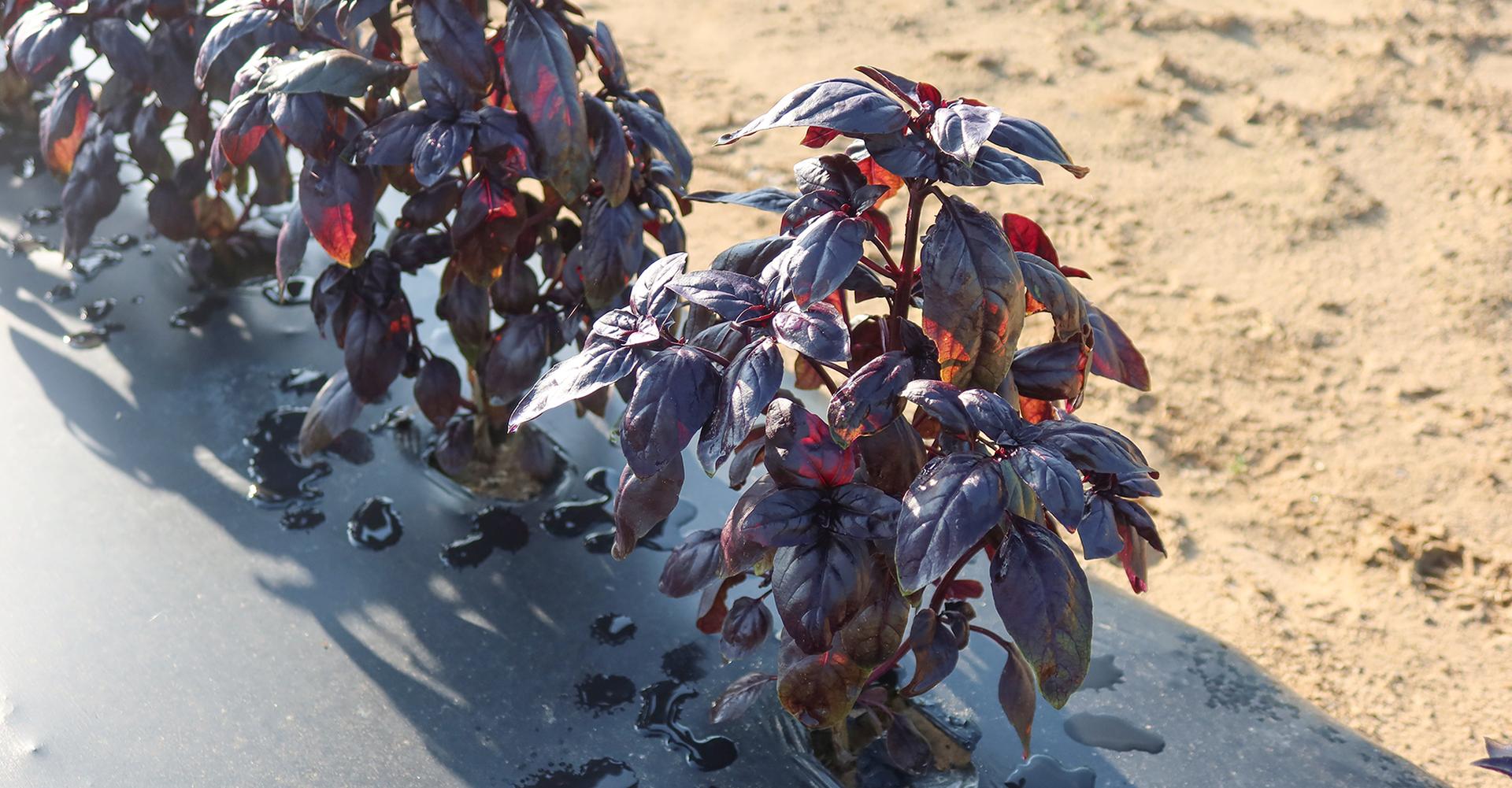
Photo: Michele Katsaris
Genesis Bets on Basil
For Genesis Seeds, basil isn’t simply another crop in the portfolio — it’s the company’s main area of expertise. “Most of our breeding program is for basil,” Yanai Bernstein, Market Development Manager, North America, Genesis Seeds Ltd. says. That focus was on display through an assortment of Genovese and Italian large-leaf types, with differences in plant habit, flavor and production use.
Genesis highlighted everything from Noga, a taller variety suited for open-field production, to more compact selections, as well as its Prospera and Prospera Active series. The latter builds in resistance to two strains of downy mildew, an increasingly important consideration for professional basil growers.
That resistance work is also shaping what comes next. Genesis identified downy mildew and Fusarium as two of the main disease challenges its basil program is targeting, with downy mildew requiring particularly continuous attention as new strains emerge. “We’re always creating new series that can fight the new types of downy mildew,” Bernstein says. Experimental material is also being evaluated for improvements such as yield, including selections being compared with established varieties like Noga and Yuval.
While Genesis also showed lettuce, blocky peppers, downy mildew-resistant slicer cucumbers, watermelon and melons, basil remains where the company is putting much of its breeding resources and where it expects to continue introducing new varieties.
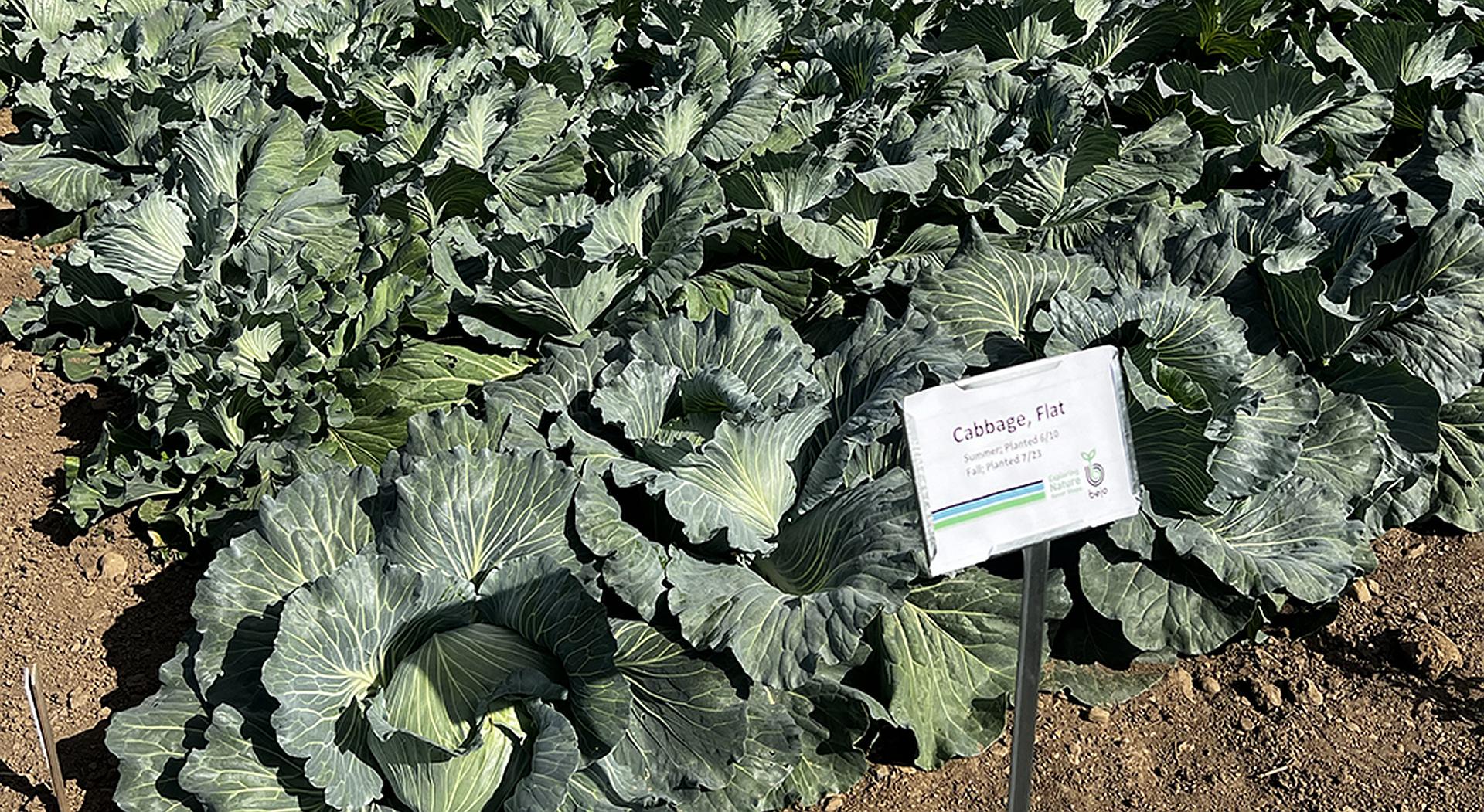
Photo: Michele Katsaris
Bejo Brings New Life to Cabbage
Bejo Seeds is focusing on improved cabbage genetics, with new selections aimed at strengthening root development and disease resistance. Allison Wahlig, Marketing Manager at Bejo USA, highlighted Brennan F1 (Bejo 3609), an improved Bronco-type cabbage developed to address limitations in the longstanding variety. The newer selection features an improved root system and is part of Bejo’s efforts to strengthen black rot resistance.
Carrots remain another important crop, with Nevado F1 offering applications in both fresh-market and processing operations. As growers face increasingly variable weather conditions, regional variety selection continues to influence breeding decisions. “We walk the fields with our growers and our breeders to help select the ideal varieties based on regional climates,” Wahlig says.
Beyond production traits, Bejo is evaluating how vegetables perform in culinary applications. “We focus on breeding our varieties to not only perform in the field, but also taste delicious on your plate,” Wahlig says, pointing to the growing emphasis on flavor alongside yield, quality and consistency.
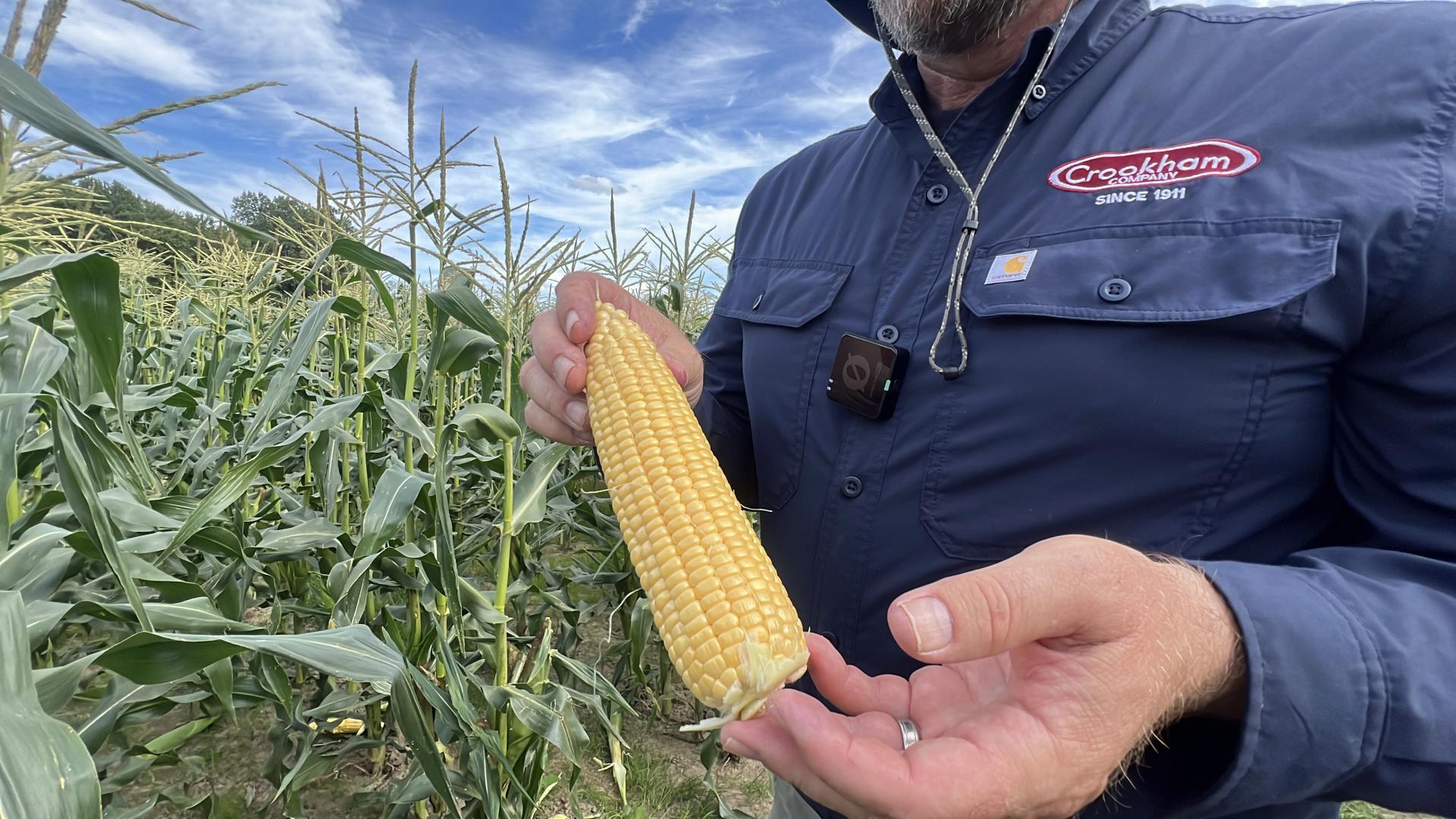
Photo: Michele Katsaris
Crookham Rethinks Sweet Corn
Crookham Company is focusing its sweet corn breeding efforts on stronger stand establishment, improved disease resistance and varieties that give growers more flexibility at harvest.
One of its newest introductions, Dash, is a 68-day bicolor SH2 variety with a wide planting window and strong field-holding ability. The company is also evaluating two improvements to its established Nirvana Original variety, numbered 2001i and 2068i, with improved husk protection and more comprehensive disease resistance.
Globetrotter, a 77-day bicolor SH2 variety, is also gaining traction in Southeastern markets, where strong emergence and disease resistance are important production traits.
A major focus is SH2i genetics, which produces plumper seeds with improved germination and vigor, particularly in cold soils. “We understand that climate change is happening, and we believe in breeding for stress tolerance and stress resistance,” says Dustin Batt, Sweetcorn Breeder at Crookham Company.
The breeding program examines how varieties respond to drought, high plant populations, and reduced fertilizer or fungicide inputs. Crookham is also developing new synergistic varieties, including Quick Start, which offers larger ears and improved husk protection compared with Sweetness.
Field-holding ability remains another priority, allowing growers to delay harvest when market conditions change. “You want to be able to have that crop hold out there as long as possible,” says Aaron Trent, Sales Manager at Crookham Company.
The company is also experimenting with red, purple and nearly black super sweet corn, although commercial markets for these specialty selections are still being explored.
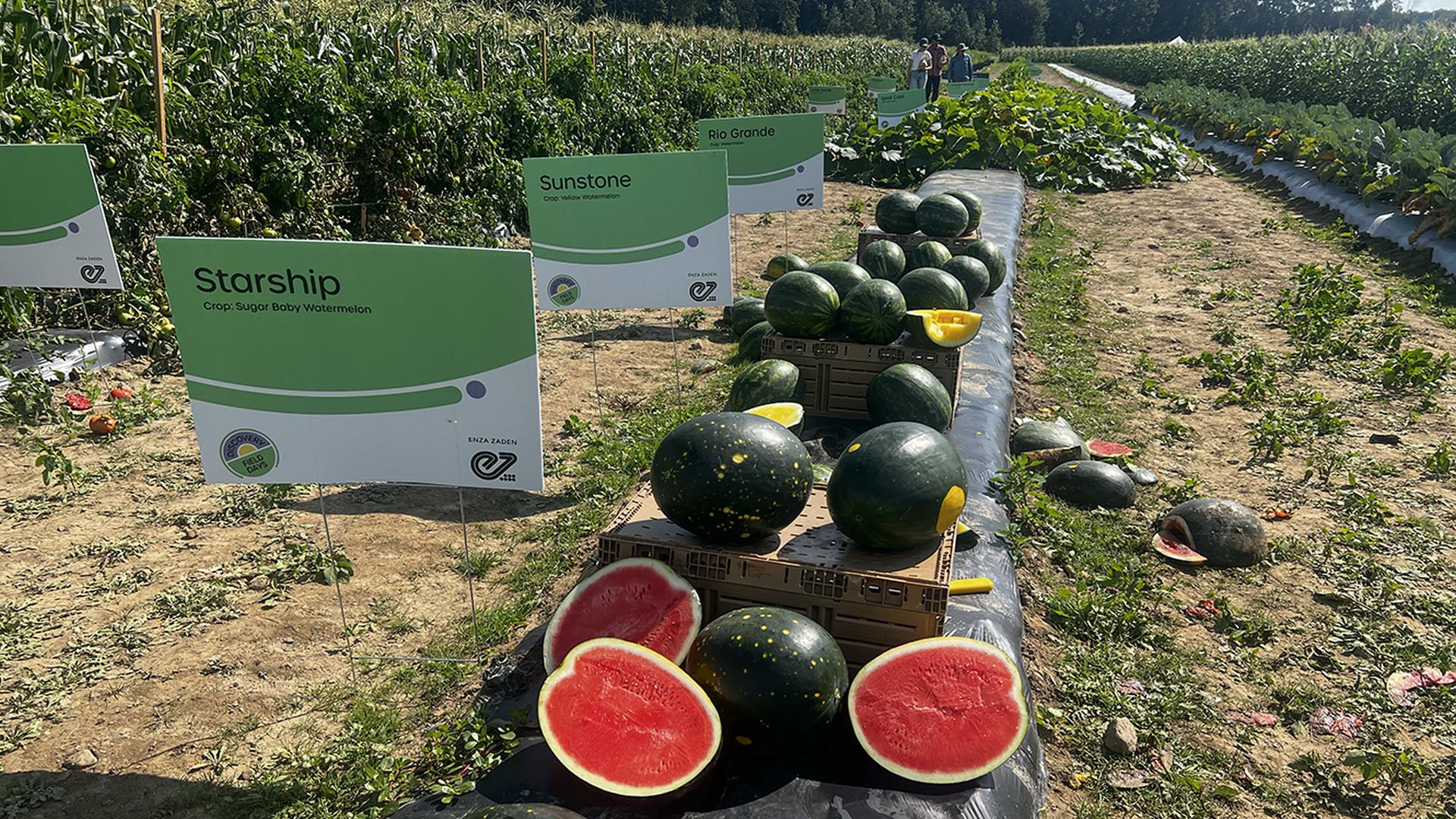
Enza Zaden watermelon at 2026 Seed Trials
Enza Zaden Sets Sights on Watermelon
Enza Zaden is focusing on watermelon breeding as market preferences shift toward darker rinds, and growers seek varieties that maintain yield and fruit quality later in the season.
One of its newest introductions, Starship, is a dark-rind, spotted watermelon with an oval shape, deep red flesh and high yield potential. Ryley Zunica, Product Manager Watermelon, Melon, and Summer Squash North and Central America at Enza Zaden, highlighted the importance of maintaining fruit shape and production across different growing windows.
“We’re seeing a shift in the market right now from light rind to dark rind,” Zunica says. The company is incorporating these preferences into its variety selection process while evaluating performance during later harvest periods.
Disease resistance is another priority, particularly as anthracnose becomes an increasing concern in watermelon production. Zunica noted that the disease can spread rapidly and that some varieties offer intermediate resistance.
Beyond watermelons, Enza Zaden highlighted Outlaw, a medium-green zucchini with an upright plant structure, high yield potential and easier harvesting. The variety also offers resistance traits targeting several important squash diseases, including powdery mildew and multiple viruses.
The company is also emphasizing disease resistance in peppers. Bryan Stuart, Sales representative and product developer, discussed Wayfinder, a dark-green bell pepper with resistance to bacterial leaf spot races 1–10 and intermediate resistance to Phytophthora.
“Looking specifically in the late slot, with watermelons, you’re looking for something that maintains shape, that continues to yield throughout the growing period,” Zunica says, underscoring the importance of consistency as production conditions change.
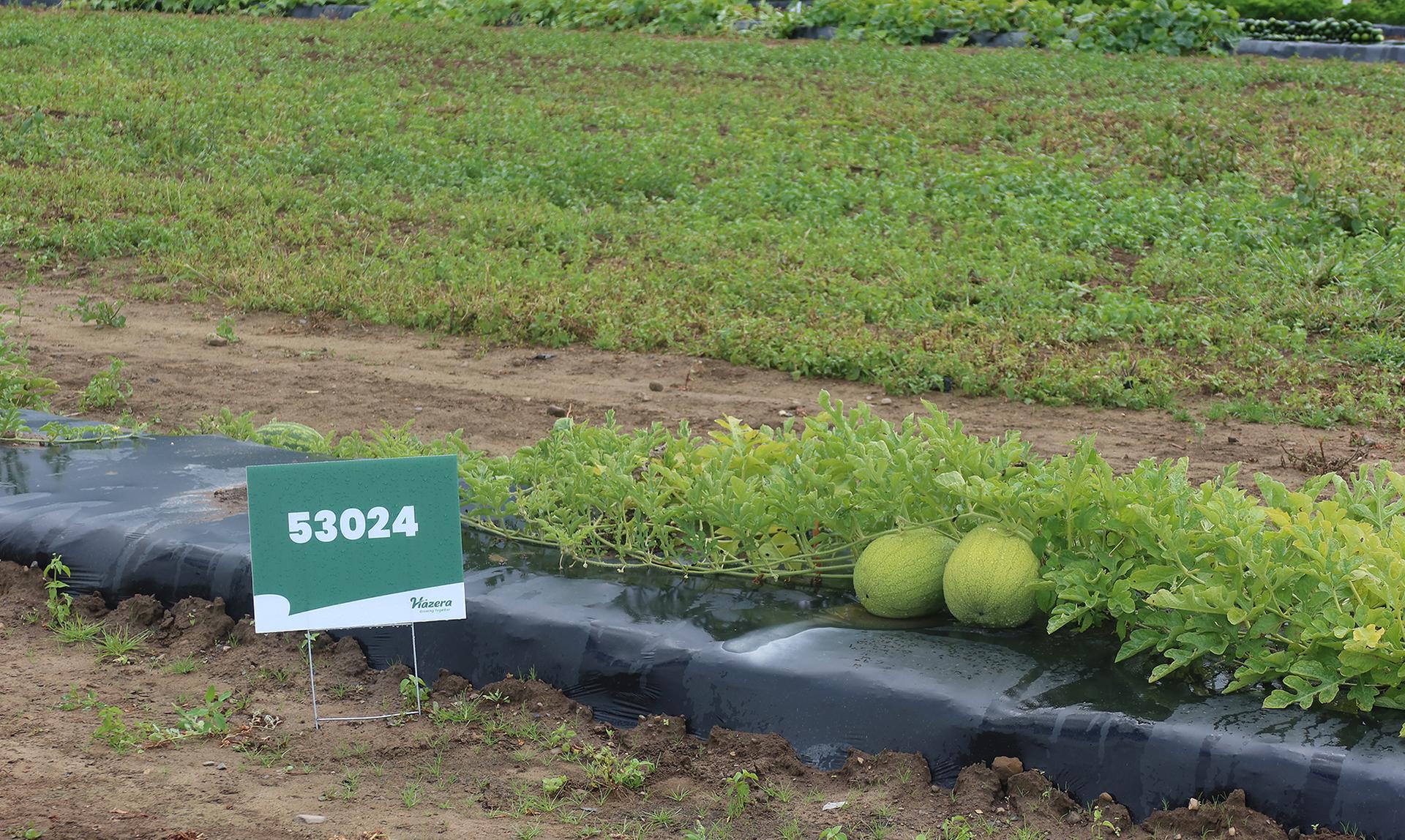
Photo: Michele Katsaris
Hazera Goes Bigger on Watermelons
Hazera is expanding its watermelon breeding program into large seedless varieties, building on the fruit quality and eating characteristics of its established mini watermelon portfolio.
Two experimental selections, 53024 and 53205, are among the company’s most promising developments. Selection 53024 is an early, medium-green rind, balanced-sized, 36/45 count watermelon, while 53205 offers a larger 36-count size profile with a darker rind and strong yield potential. Both are IR for Anthracnose 1 and Fusarium 0,1 and are being evaluated for potential commercialization.
“I think this year, we’re most excited to show growers our progress that we’re making in the large watermelon space,” Kelli Durham, Product Development Manager says. The company is increasing its U.S. trials to evaluate breeding material earlier and identify varieties suited to different production regions.
Hazera is also developing specialty grapes and mini plum tomatoes, including Felicity, Timothy, Amaretto, Orange Delight, and Camelot. These varieties offer different colors, flavor profiles, and disease-resistance characteristics for fresh-market applications.
The company’s tomato breeding program is increasingly shifting toward determinate plants, which can reduce labor associated with managing continuous vine growth. Disease resistance is another priority, with breeders working to strengthen protection against bacterial diseases in tomatoes and combine Fusarium, anthracnose and powdery mildew resistance in watermelons.
“Yield is always number one. But disease resistance traits, I think with the changes in climate and costs of labor and inputs, having a strong genetic disease resistance package for our products is what growers are typically looking for,” Durham says.
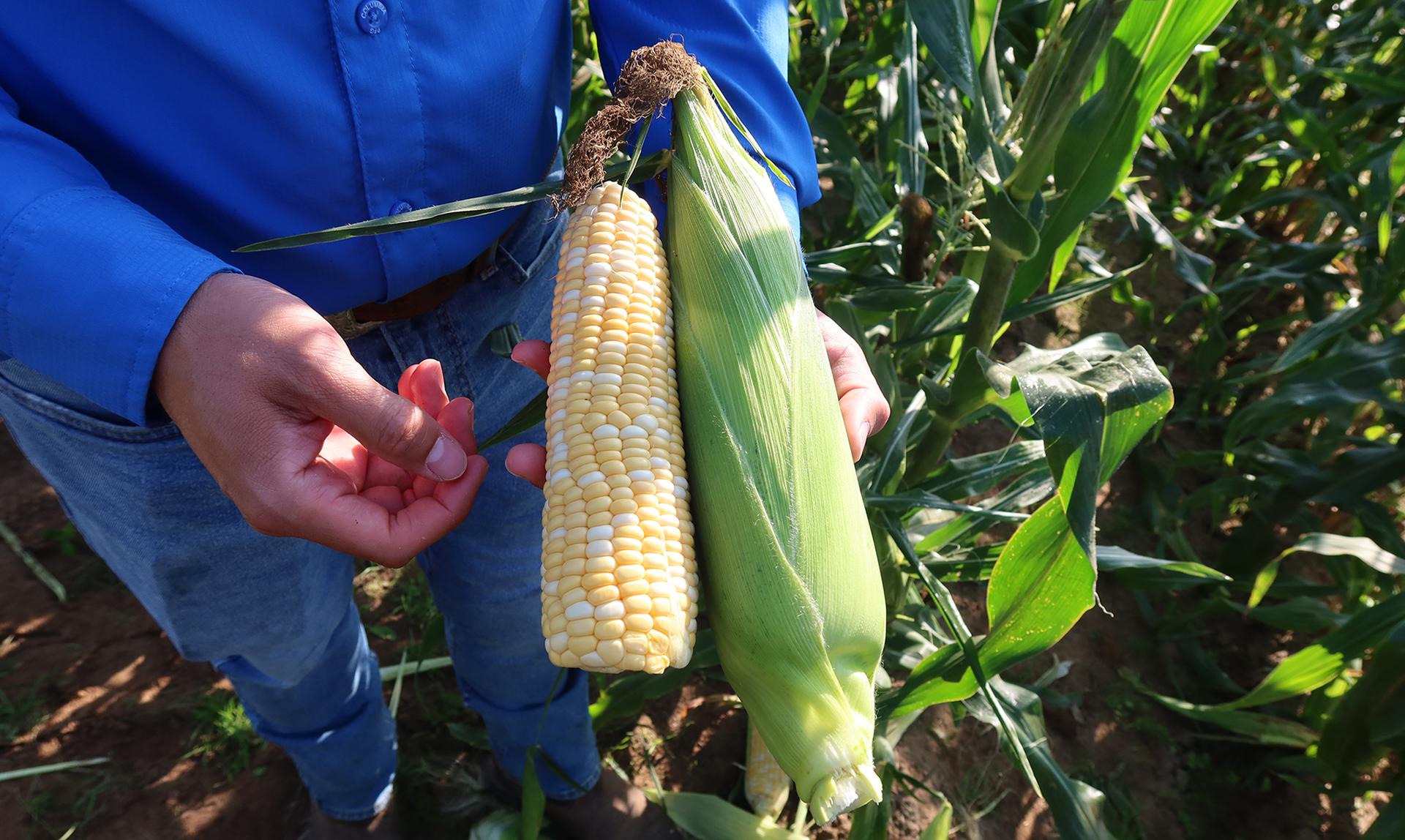
Photo: Michele Katsaris
H.M.CLAUSE Makes Room for Earlier Harvests
H.M.CLAUSE is developing sweet corn and pumpkin varieties that give growers more flexibility in planting and harvest timing while strengthening disease resistance.
Awaken, a 68-day bicolor supersweet corn, offers strong cold-soil germination, common rust resistance and ears measuring approximately 7.25 to 7.5 inches. Another introduction, Marquee, features uniform ear length and strong eating quality, making it suitable for both tray-pack retail and roadside markets.
In pumpkins, Orange Dawn features the precocious yellow gene, allowing it to mature in approximately 95 days. “Being able to push something earlier or let growers almost fit into a different slot goes back to how we’re producing varieties that can help with profitability,” says Audrey Morrison, Product Development at H.M.CLAUSE.
The company also highlighted Honeybee, a uniquely-colored specialty pumpkin with powdery mildew resistance that produces four to six fruits per each compact plant. Disease resistance remains a broader priority across the pipeline, including Phytophthora resistance in peppers and additional virus tolerance in pumpkins such as Zeus.
“Disease packages are always going to be a breeding trend that’s always needed. So, I don’t know if that’s a trend, but it’s a necessity,” Morrison says.
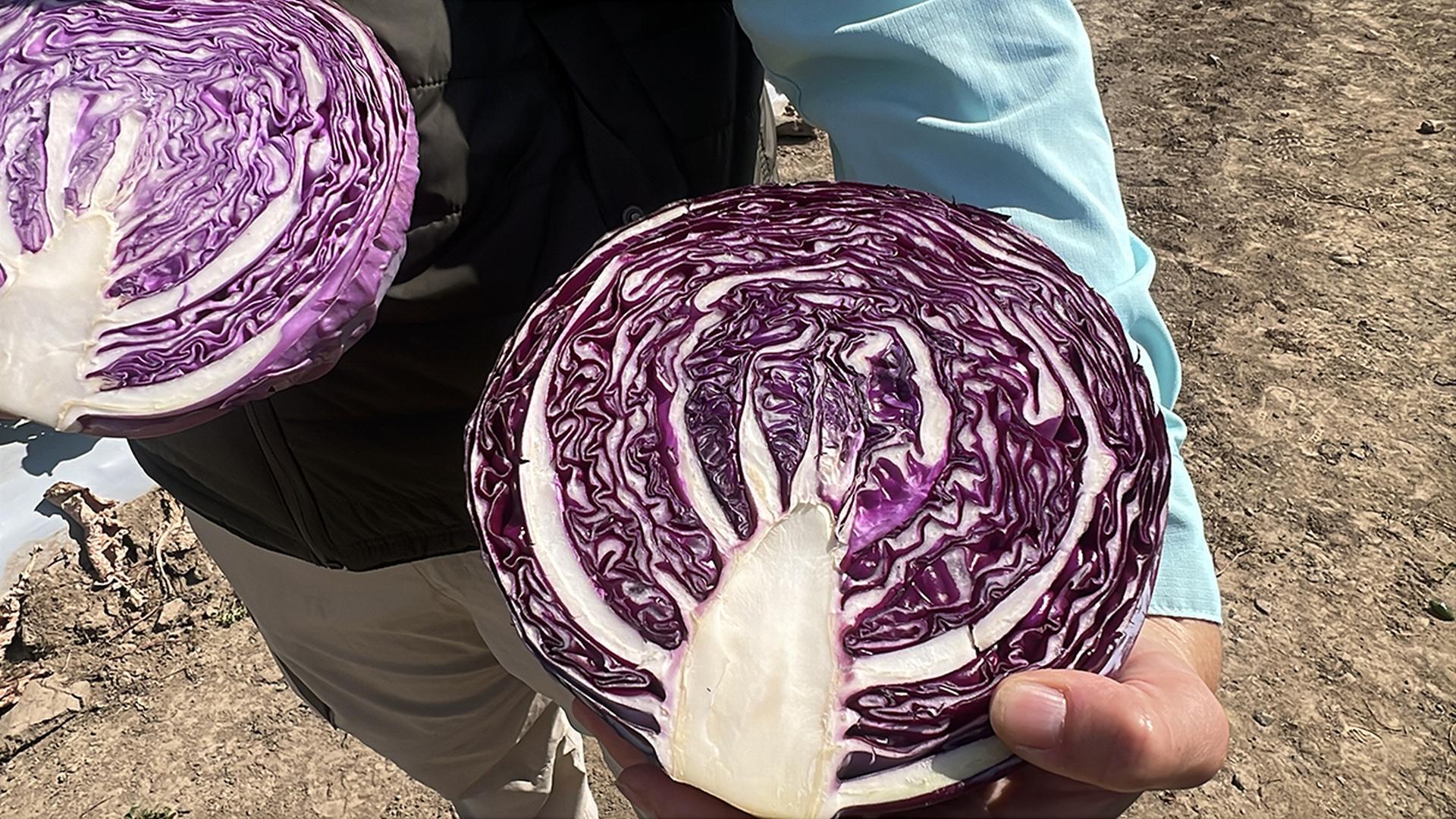
Photo: Michele Katsaris
Rijk Zwaan Builds Beyond the Basics
Rijk Zwaan is expanding its cabbage, lettuce and pepper portfolios with varieties focused on disease resistance, crop quality and adaptability to different growing conditions.
Red Margarita, a new red cabbage, offers dense heads, strong coloration and a short core. Rosemaya, a blush-colored cabbage, maintains its color without bleeding into other ingredients during processing. Another introduction, Swingma, features exceptionally dense, layered heads and has performed consistently across several U.S. growing regions.
The company also highlighted Basilio, a butter lettuce with resistance to Fusarium races 1 and 4, uniform growth and heavier heads. In peppers, Rijk Zwaan is evaluating its 2100 series of dark-green blocky bell peppers, with shorter, stronger plants and broad leaf canopies.
Regional trials are also helping breeders understand how varieties respond to unpredictable weather. In Canada, Red Margarita reportedly performed well after dry conditions were followed by flash flooding.
“We have to keep an eye on each variety, and we have to track the performance in as many regions as possible to see that kind of adaptability,” says Cara Allan, product development rep for northeast USA and Canada.
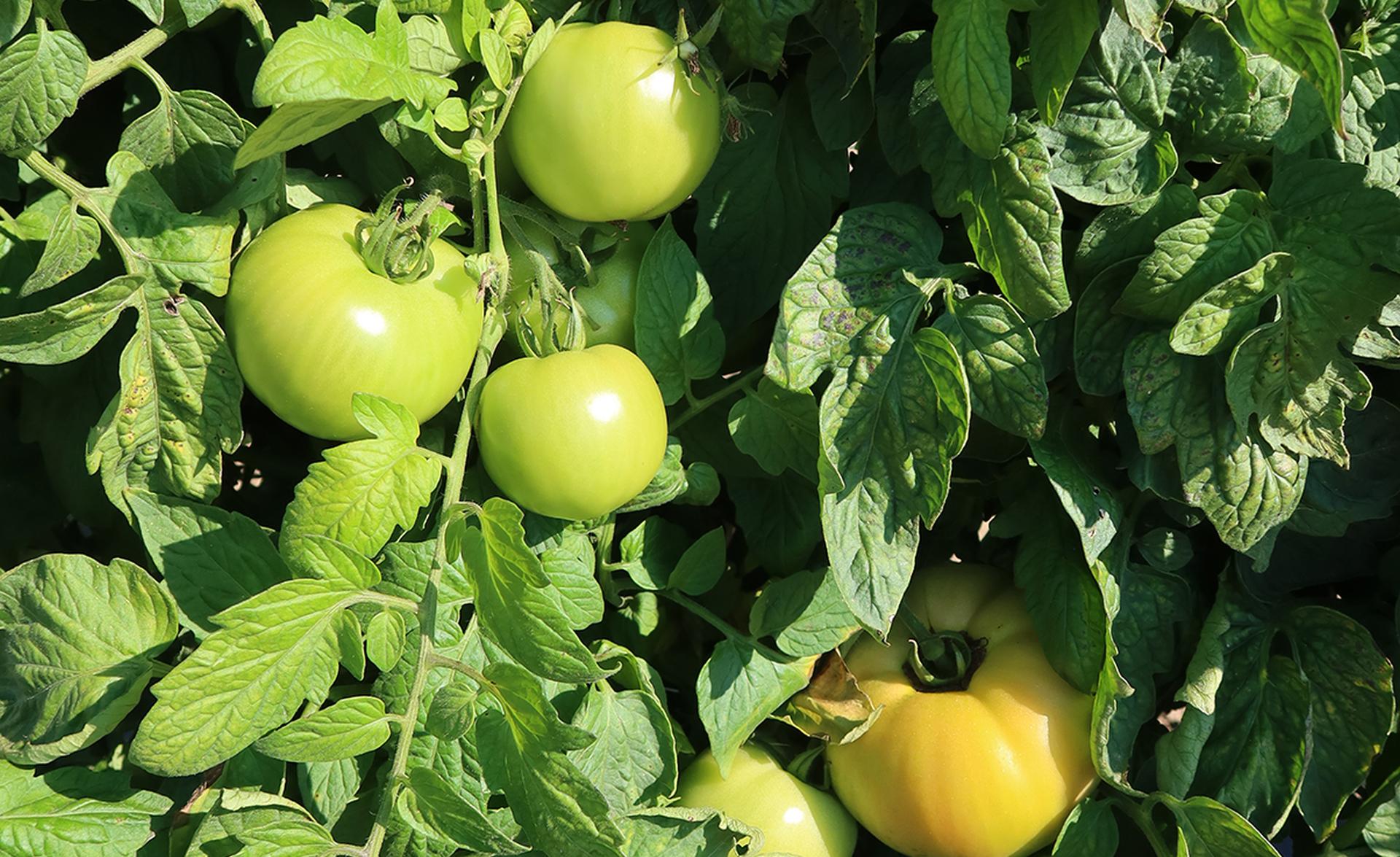
Photo: Michele Katsaris
Sakata Puts Tomatoes and Peppers to the Test
Sakata Seed America is focusing its tomato and pepper breeding efforts on earlier harvests, stronger disease resistance and varieties adapted to regional growing conditions.
GTO, a newly released determinate round tomato, targets early-season production with heavy yields and extra-large to jumbo fruit. Its full-crimson genetics contribute to deep red internal color and uniform ripening, while its early fruit set helps growers reach the market sooner.
Another full crimson introduction, Ferrari, is a main-season determinate round tomato suited to both open-field and high-tunnel production. The variety combines excellent shelf life and a full disease package including the added protection of leaf mold resistance.
“It’s had great performance this year in the open field and high tunnels by maintaining healthy plants and good fruit quality despite challenging weather,” says Katie Fremaux, Midwest Product Development Assistant Manager at Sakata Seed America.
In sweet peppers, Sakata recently commercialized Cashout S10®, a place pack workhorse that’s performed under heavy Phytophthora pressure. The variety has performed from the Mid-Atlantic into the Midwest and Ontario.
The company is also expanding its regional breeding and trialing efforts as drought, heat, and disease pressure influence production. “We aim to develop breeding projects around (Take out these) specific markets like the Northeast because the needs are so different from one region to the next,” says James Galante, Sweet Pepper and Tomato Product Manager.
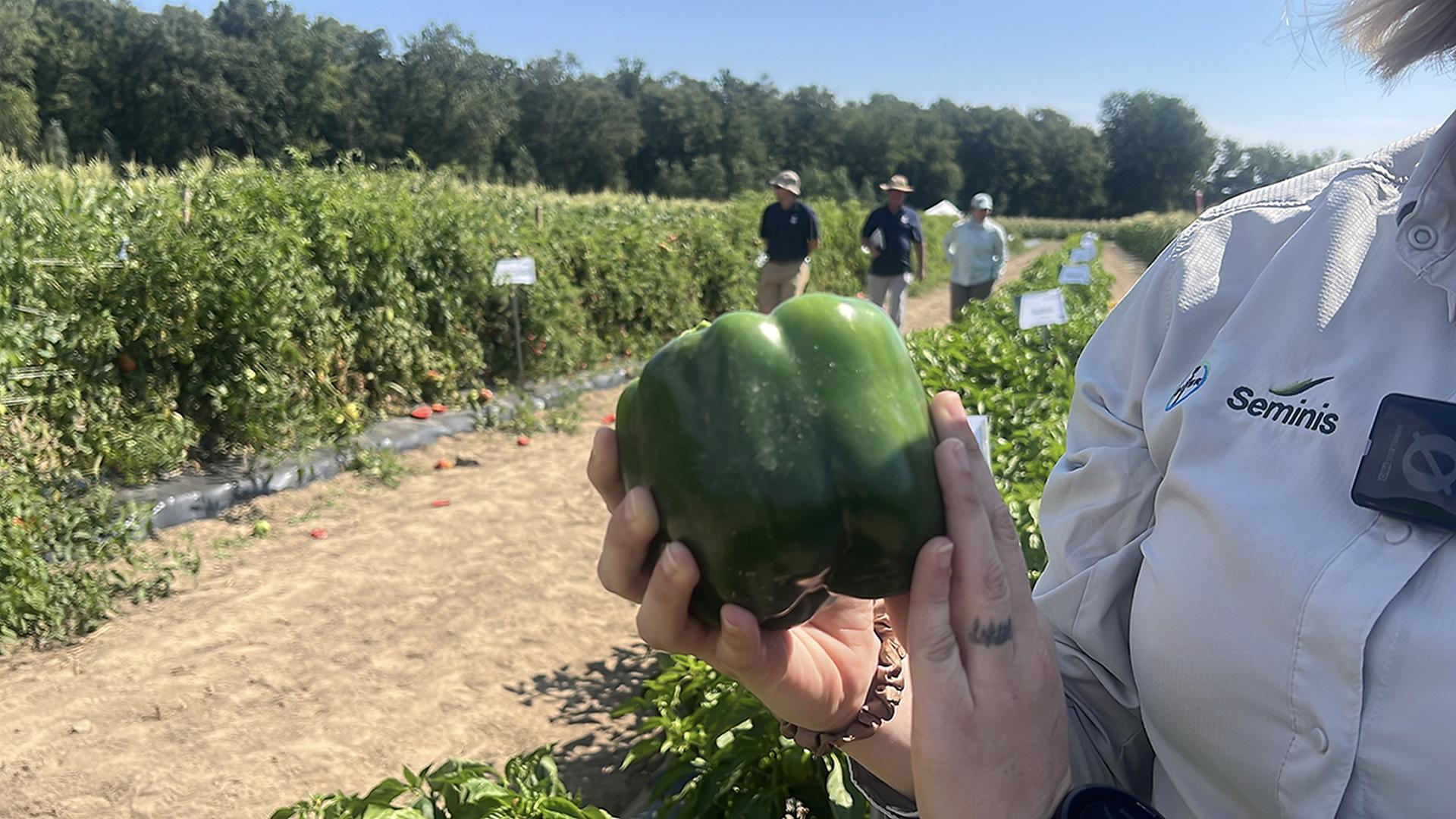
Photo: Michele Katsaris
Seminis Strengthens Its Vegetable Lineup
Seminis is introducing new pepper, onion and sweet corn varieties focused on disease resistance, yield, and regional adaptability.
Hammerhead, a new bell pepper for the Southeast, offers large, blocky fruit and intermediate resistance to bacterial leaf spot, Phytophthora and nematodes. “This has really high yield potential that’s been pretty adaptable across seasons,” says Chandler Levinson, Pepper Product Development Breeder.
The company also highlighted SVP8500, an orange bell pepper with intermediate bacterial leaf spot resistance and broad adaptability.
In onions, Mansfield is a 115-day variety with intermediate Fusarium and pink root resistance, early bulbing and storage potential through June. “It’s a very adaptable variety. It can be grown from southern New York all the way up to Quebec,” says Dominic Bouchard, Field Sales Rep.
Seminis also introduced a white sweet corn hybrid emphasizing eating quality and ear appearance. Its breeding programs continue targeting stronger Phytophthora resistance in peppers and Fusarium resistance in watermelons.
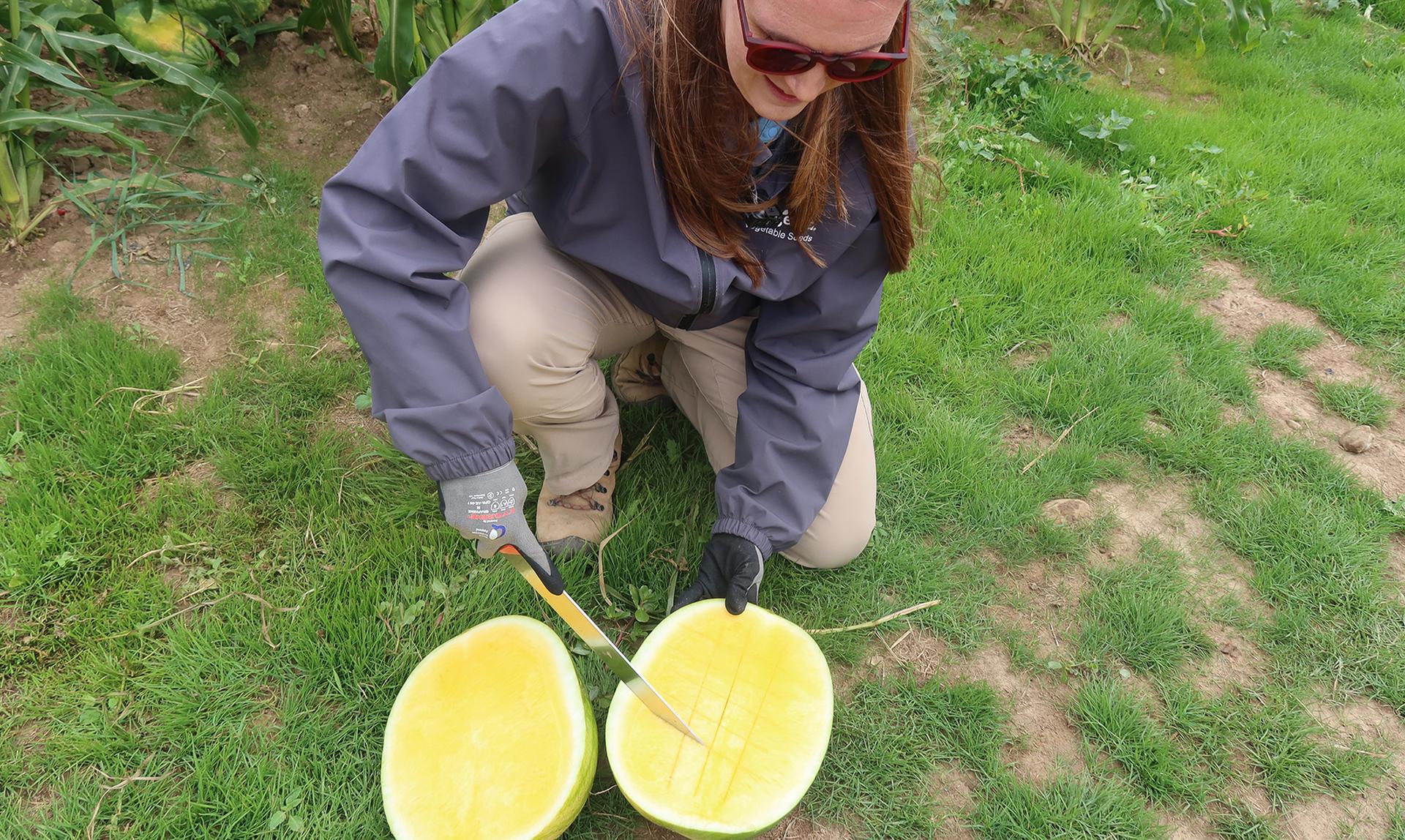
Syngenta watermelon at 2026 Seed Trials
Syngenta Tackles Disease and Harvest Costs
Syngenta Vegetable Seeds introduces sweet corn, zucchini and watermelon varieties focused on disease resistance, harvest efficiency and crop quality.
In zucchini, Bladerunner features an open, upright plant that makes fruit easier to locate and harvest. “We’ve seen the potential for much, much faster harvesting because of its open, upright plant structure,” says Rebecca Wente-Naylor, Syngenta Vegetable Seeds production specialist.
Fortress zucchini offers downy mildew resistance alongside protection against several other diseases, making it an option for late-season production.
Syngenta also highlighted Bahama, a smaller Sugar Baby-type watermelon with Fusarium wilt race 1 resistance, and Golden Crisp, a yellow-fleshed watermelon with firm texture suited to fresh-cut packaging.
Disease resistance and labor efficiency remain major breeding priorities. “Yield is the number one thing that we’re looking at in any of our trials,” Wente-Naylor says, emphasizing the importance of consistent field performance alongside fruit quality.
EDITOR’S NOTE: Stay tuned for more in-depth 2026 New York Seed Trials coverage as we dig deeper into what each vegetable seed company is bringing to the table for growers. And don’t forget to check out our Growing Produce Podcast episode about this year’s seed trials.
Subscribe Today For
