As the drought deepens, growers share their stories with national and local press.
41 counties are now impacted, including the agriculturally rich San Joaquin Valley, as Gov. Newsom announces $5.1 billion response.
Specialty agriculture interests among those being most challenged by shifting environmental impacts.
A new irrigation calculator tool may help almond growers who want to maximize irrigation efficiency to conserve water, […]
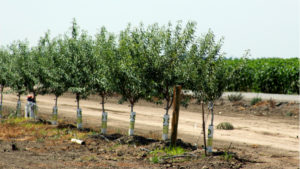
To preserve orchards and vineyards, growers are expected to fallow up to 350,000 acres of corn, wheat, cotton and alfalfa.
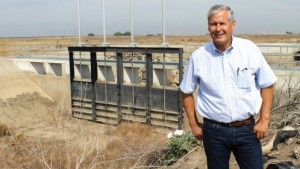
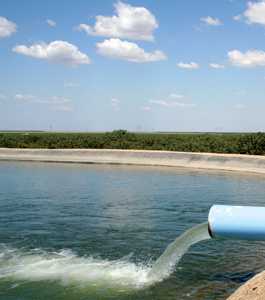
What seems counterintuitive — flooding vineyards and orchards — has paid big dividends for Don Cameron of Terranova Ranch.
Regional Conservation Partnership Program pools together $220 million investment from USDA, up to $500 million from local partners to improve water quality, soil health, and habitat.
While El Niño could significantly help with the drought in the West, when we look toward the future, we cannot rely on El Niño events to solve the water crisis in the West
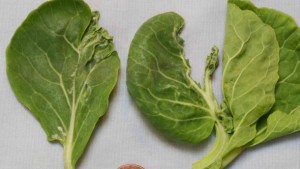
The weather trends in the West are driving the biology in commercial agricultural fields, and plant diseases have been influenced by these weather developments.
The California Department of Food and Agriculture (CDFA) has selected 100 projects totaling $9.38 million from the State […]
Millions of years ago, the Central Valley was an inland sea, and sharks were swimming through Bakersfield. Eventually, […]
In spite of the drought, the 2014 crop report for Santa Cruz County shows a $17 million increase from 2013.
The impact is minimal this year, but the future is uncertain if the drought continues.
Legislation contains short- and long-term provisions to deal with the historic drought.
It’s no secret that water has been under the proverbial spotlight as of late. How much of it […]
Public comments by growers, ranchers, and other stakeholders are encouraged by state officials.
With Governor Jerry Brown’s announcement of mandatory use reductions, the general public in California is getting a wake-up […]
With the lowest water content since 1950, the governor orders first-ever mandatory water reductions in cities and towns, and growers face tighter regulations.

While the state issues curtailments to those with junior rights, growers are increasingly relying on groundwater to irrigate their crop.