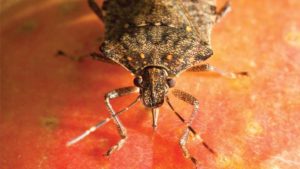
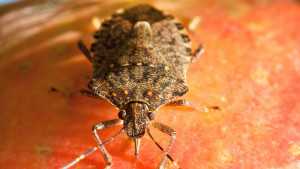
Recent model simulations for 2050 and 2100 show warmer temperatures likely to aid in brown marmorated stink bug’s migration patterns to the North.
Department of Pesticide Regulation, Office of Environmental Health pursuing health protections.
Minecto Pro from Syngenta has received EPA approval for use in specialty and vegetable crops to control lepidopteran and other pests.
Company says $45 billion offer undervalues future prospects.
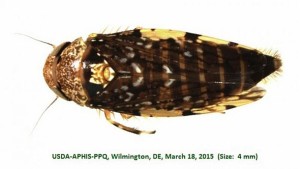
This is the second time this pest has been discovered by U.S. Customs and Border Protection agriculture specialists.
How well do you know biocontrol? The first-ever Biocontrols Conference & Tradeshow is ready to help.
Biopesticides are on the up and up in U.S. agriculture as confirmed by recent data from EPA. “The […]
The Biocontrols 2015 Conference & Tradeshow will help growers and PCAs incorporate new tools into their crop protection programs.
Preliminary results of a survey conducted in December 2014 of more than 850 readers across six Meister Media […]
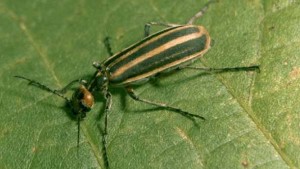
Learn how to ID, the survival and spread, as well as management methods of this vegetable pest.
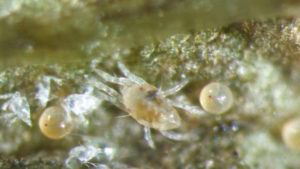
Penn State University researcher offers guidelines and control strategies for minimizing the impacts on mites for the next season.
Transaction expected to close in early 2015.
An outbreak of blackleg, light leaf spot, and white leaf spot can be significant problems in several vegetable crops.
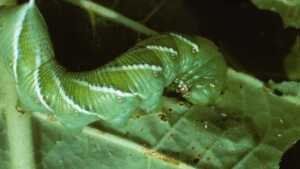
This video provides information on how to best identify and control Lepidoptera in tomatoes. [mmw-video id=”63932″]
This video provides information on how to take an integrated management approach to controlling tomato yellow leaf curl […]
As the use of biopesticides continues to increase at a staggering rate, more and more resources are being made available to the public to help increase awareness of the sector.
With the entry of major suppliers into the biopesticide arena, whether or not biopesticides work is no longer the question. Now, people want to understand how they work.
Yield and quality can be as important to growers as crop protection.
Researchers discuss how understanding the genetic changes in the late blight pathogen along with a proactive approach to control may help with resistance issues.