Florida researchers harvest the first crop of Pierce’s Disease-resistant wine grapes. Learn what this could mean for local viticulture interests.
Researchers identify potential genes that could be introduced to enhance resistance to Xylella fastidiosa, the bacterium that causes Pierce’s Disease.
University laboratory has been key to growth, and its reach extends to growers of all fruit types.
Researchers and producers are working together to flesh out potential of bubbling market.
Scientists have a shot at eradicating a deadly threat to vineyards, just as the pest’s resistance to insecticide has been growing.
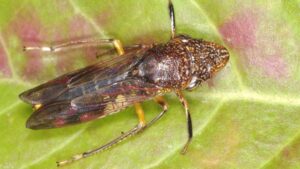
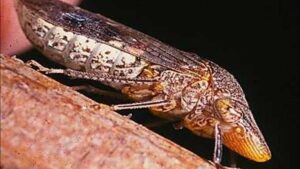
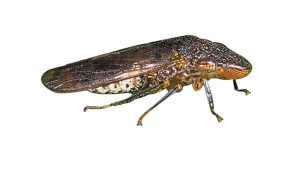
Grapevine pest is an invasive and aggressive vector of deadly Pierce’s disease.
Governor approves Pierce’s Disease Control Program money for the first time since 2011.
Pierce’s disease hit hard in California’s Sonoma and Napa counties this past year. According to Rhonda Smith, University of California Cooperative Extension viticulture farm advisor, even sites that are typical “hot spots” for the disease lost hundreds of vines more than they have in past years.

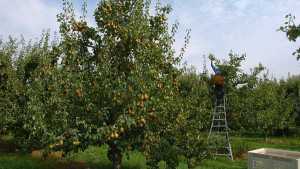
Xylella fastidiosa, best known for infecting grapes with Pierce’s disease, has been found in U.S. pome fruit for what is believed to be the first time.
Returned ballots to continue the Pierce’s Disease/Glassy-Winged Sharpshooter referendum must be returned by June 10.
This pest, known to spread Pierce’s Disease, could devastate California winegrapes.
The PD/GWSS assessment is one of the primary sources of funding for research on Pierce’s Disease and the glassy-winged sharpshooter.
Grower association backs reauthorization of Pierce’s Disease Control Program.