A new certification program enables growers to show consumers they are farming in ways that benefit bees. The Bee […]
New videos, webinars available during week-long observance.
Bee Informed Partnership says preliminary analysis of results show second-lowest loss rate recorded in last seven years.
National Pollinator Week webinar showcases research to improve honeybee colony health by 2020.
UF/IFAS researchers find placing hives of the distinct pollinator in the field pumps up output by 70%.
A new video series on planting flowering habitats is designed to help growers support crop pollinators.
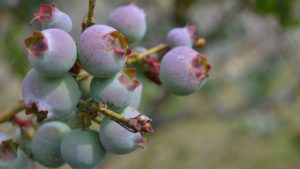
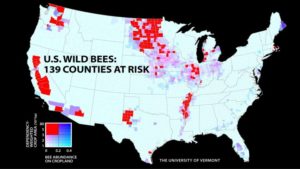
Some crops most dependent on pollinators, including pumpkins, watermelons, pears, peaches, plums, apples and blueberries, appeared to have the strongest pollination mismatch.
Researchers in Japan have turned drones into robot bees as artificial pollinators.
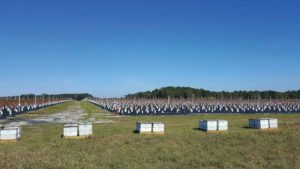
More than 2,000 hives were reported stolen last year from California almond orchards, and growers are cautioned to keep an eye out for unmarked hives.
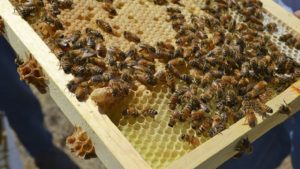
Project Apis m. is spearheading multi-year $1 million research effort funded by Bayer to improve honey bee colony health.
Bayer Feed a Bee and The Wildlife Society will be planting in Texas, Kansas, Illinois, and Florida to educate communities and establish more forage for spring 2017.
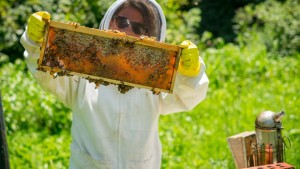
Placing priority on bee care best practices will ensure sweet success for your crop.
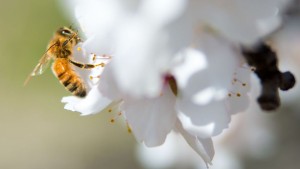
Bees need to be protected as these beneficial, pollinating insects have an important job: They help increase yields of both fruits and vegetables.
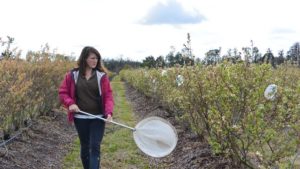
Most of the berry, almond, melon, pumpkin, and tree fruit growers surveyed are being careful about how they manage their farms to minimize pesticide impacts and improve bees’ habitats.
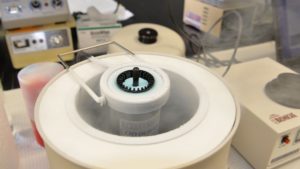
The Washington State University (WSU) bee program has worked with researchers from around the world to create more honeybee genetic repositories like the one at WSU.

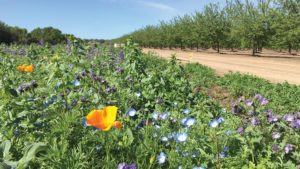
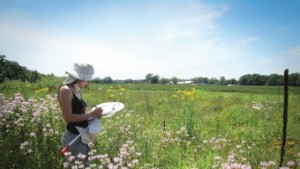
It’s becoming clear that one effective method is to plant wildflowers at field edges.
Purdue research indicates pollen is consistently contaminated with not only agricultural, but urban pesticides.
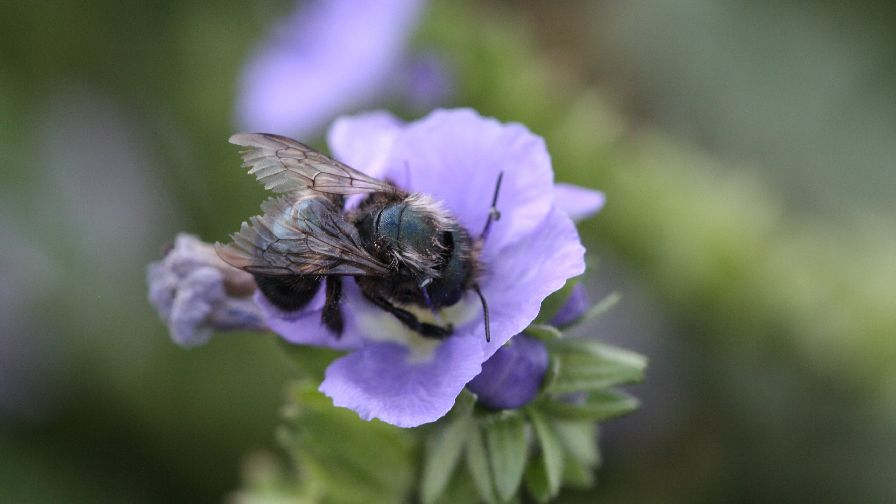
The European honeybee gets all the attention, but there are more than 3,600 species of wild bees in North America.
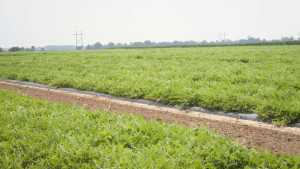
Ongoing studies are investigating how a more diverse agroecosystem might complement honeybees and enhance watermelon production.