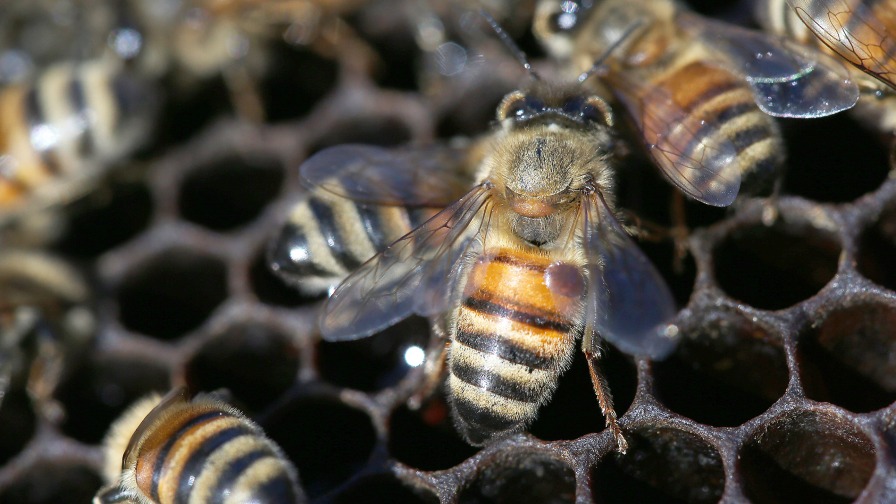
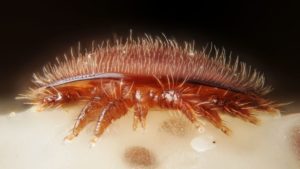
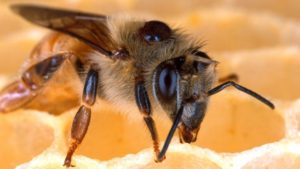
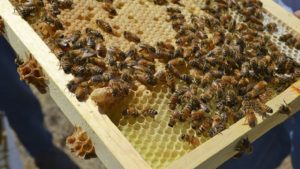
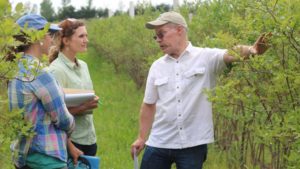
In 2016, The New York State Beekeeper Tech Team (which is attached to Cornell University’s Dyce Lab Beekeeping Resources) […]
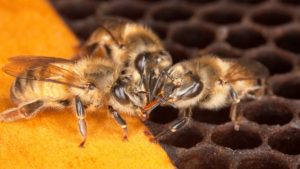
Cornell University’s NYS Beekeeper Tech Team recent report also shows most hives are infected with Deformed Wing Virus (DWV), a disease linked to the mites.
New videos, webinars available during week-long observance.
Man likely stole hives from across the state of California in the last three years.
National Pollinator Week webinar showcases research to improve honeybee colony health by 2020.
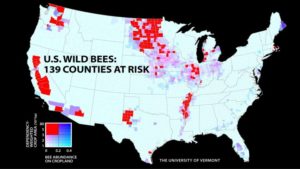
Some crops most dependent on pollinators, including pumpkins, watermelons, pears, peaches, plums, apples and blueberries, appeared to have the strongest pollination mismatch.

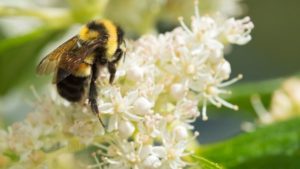
Rusty patched bumble bee receives protection from activities that could cause it to go extinct.
Fruit and vegetable growers can prepare for spring by hearing about recent pollination research.
Event to focus on health, welfare, and conservation of pollinators.
The food company giant, Natural Resources Conservation Service, and the Xerces Society announce multi-year commitment to help pollinators prosper.
Learn how to build the optimal breeding ground for bees.
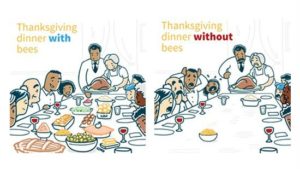
Campaign focuses on role honeybees and beekeepers have pollinating the foods Americans eat.
Scientist in the school of Environmental and Biological Sciences receives $2.9 million grant to research bees and other pollinators.
Executive order issued to reverse, minimize negative impact on bees and other insect pollinators.
Bees need to be protected as these beneficial, pollinating insects have an important job: They help increase yields of both fruits and vegetables.
Workshop helps introduce veterans to the biology behind keeping bees.
A USDA research team is learning that mite populations often spike in the fall, due to migration into the hives.
Analysis of record-breaking 2010 cold spell yields hot leads about chilling effect on tropical bees in South Florida.
Responses indicate summer losses rival winter losses for second year in a row.