USDA Set for Vote on Tart Cherry Marketing Order By USDA|March 18, 2026 USDA will conduct a referendum among eligible tart cherry growers and processors to determine level of support for continuing federal marketing order.Read More
The Hidden Margin Leak Between Projected and Actual Harvest Dates By Muhammad Abdullah, Folio3 Agtech|June 2, 2026
New Round of USDA Aid for Specialty Crops Good News for California Walnuts By California Walnut Commission|June 1, 2026
U.S. Tart Cherry Industry Set To Grow With New Initiatives Posted by Growing Produce Staff|February 27, 2026 The U.S. tart cherry industry signals forward momentum with preview of True Tart certification program.
USDA Proposes Rule To Establish Free and Restricted Percentages of Tart Cherries By USDA|November 20, 2025 Rule would apply to tart cherries grown in several states that handlers may purchase from, or handle on behalf of, growers during 2024-2025 crop year.
Out of Adversity Grows Hope in Cherry Capital of the World By Thomas Skernivitz|July 1, 2025 Even in tough times, Michigan cherry grower Emma Grant believes her job is the best in the world. She gets to walk her orchards every day.
USDA to Buy $15 Million in Tart Cherries Posted by Christina Herrick|April 3, 2019 Purchase, which falls under “Section 32” program, is expected to support growers stung by low-cost imports.
Tart Cherry Growers Cheer for Tariff on Imported Juice Posted by Christina Herrick|November 6, 2018 Presidential proclamation lifts duty-free status from imported cherry juice from Turkey, which U.S. growers say was hurting domestic production.
Many Pollinators Boost Cherry Yields — Not Just Honeybees By Katharina Ullman|September 25, 2017 Researchers are finding a multi-pronged approach to pollinators give both sweet and tart cherry growers the best results.
Researcher: Cherry Growers Must Use Disease Management Strategies When it Comes to SWD Posted by Christina Herrick|August 1, 2017 Dave Jones, Extension Educator with Michigan State University, says growers are well accustomed to monitoring and thinking ahead.
Monster Sweet Cherry Crop Expected Posted by David Eddy|June 12, 2017 But the tart cherry crop is forecasted to drop nearly one-quarter from 2016.
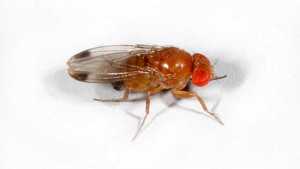
Michigan State University Awarded Grant to Tackle Spotted Wing Drosophila Posted by Christina Herrick|June 5, 2017 Research team seeks solutions to protect state’s cherry crop.
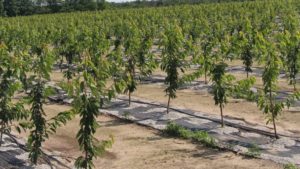
Managing Risks And Reward Of Going High Density In Michigan By Christina Herrick|December 2, 2016 The King family sees dwarfing high-density system as the future of their sweet cherry production.
Going High Density In Tart Cherries By Christina Herrick|November 29, 2016 Grower’s take on a high-density system meant modifying a berry harvester to fit his system.
Large Tart Cherry Crop Expected In Michigan Posted by Christina Herrick|June 30, 2016 Nikki Rothwell, Center Coordinator for the Northwest Michigan Horticulture Research Center in Traverse City, MI, tells UpNorthLive.com, the tart […]
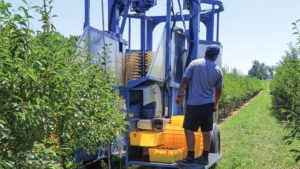
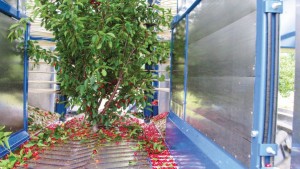
Growers Could See Early Returns On Investment With New Harvesting Techniques By Christina Herrick|March 29, 2016 Research team in Michigan examines the use of berry harvester as gentler and more economical way to harvest tart cherries.
Stone Fruit Rots Rampant In East Posted by Christina Herrick|July 21, 2015 The incidents of fruit rots in both sweet and tart cherries and peaches and nectarines are quite high […]
Winter Storm Surprises Utah Fruit Growers Posted by Christina Herrick|April 20, 2015 Snow and cold temperatures threatened tart cherries already in full bloom.
Pennsylvania Tart, Sweet Cherry Crop Will Be Light This Year Posted by Christina Herrick|June 24, 2014 Cold snap in spring to blame for low cropping and yields this growing season.
Unexpected Disease Hits Michigan Tart Cherries By Christina Herrick|February 4, 2014 Researchers try to explain why a large strike of European brown rot infected Montmorency tart cherries last year.