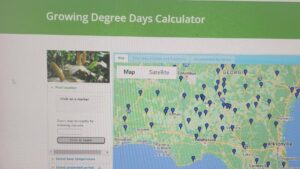
Climatetoolbox website provides growers with historical data; updated Agroclimate site offers chill hours data by location.
Weather analytics provides foresight in allowing users to make correct and timely decisions on key agronomic practices.
Snow in the Sunshine State? Local produce growers carry on through winter storm like business as usual.
For the second year in a row, the bar has been raised for the planet’s average temperatures. See the official numbers from NOAA.
New computer model projects the temperatures that cause freeze damage in Northeastern cultivars.
NOAA says there is a greater than 99% chance that 2024 will rank as the world’s warmest year on record.
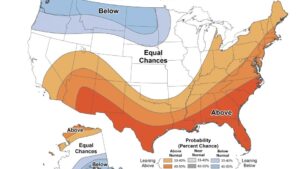
Returning climate pattern looks to bring warmer and drier conditions to the south and wetter conditions in the north, according to NOAA’s latest forecast.
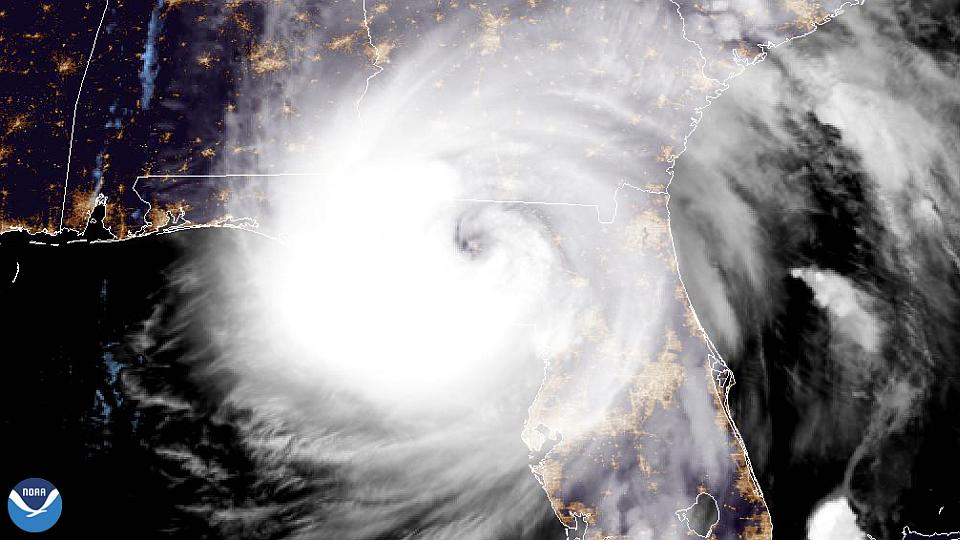
Wind and flood impacts can bring a handful of ailments to plants when hurricanes pass through.
Editors of long-running publication factor La Niña into their ‘wet winter whirlwind’ predictions for the 2024-2025 season.
Initial reports are coming in from the field after record-breaking storm makes its way to the Lone Star State with high winds and a wall of water.
It’s Extreme Heat Awareness Month. The Equitable Food Initiative has a toolkit that highlight heat exhaustion symptoms and preventable measures to stay safe.

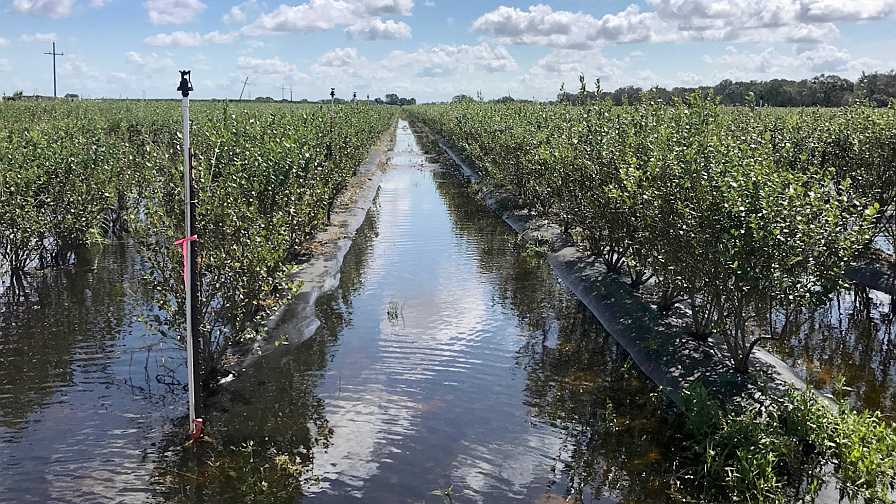
Recent excess rainfall event swamps parts of the Sunshine State. University of Florida researchers want to hear from growers about impacts.
Feedback from latest State of the Fruit Industry survey says growers wrestle with heat and heavy rain, but frost is enemy #1.
Early observations from climatology experts indicate what could be a record-breaking campaign in the tropics. So far, they’re on target.
According to data gathered by NOAA scientists, January-April 2024 global temperature ranked as the warmest such period on record.
University of Florida web-based system designed to track weather patterns affecting plants.
Water supply in a surplus thanks to consecutive seasons of wild winter storms and atmospheric rivers.
NOAA analysis confirms what was expected. Not only was 2023 the warmest in 174 years of recordkeeping, it did so by a record-setting margin.
Scientists predict it’s nearly a sure thing that a new bar will be raised for average global temperatures.