



How To Manage Pest and Disease Threats in Cucurbits
 November 17, 2025
 This season, cucurbit growers face key disease threats such as Phytophthora, anthracnose, and Fusarium, which have caused significant losses in some fields. Insects challenges vary by crop and region — squash bugs mainly affect pumpkins and summer squash, while Lepidopteran worms are a bigger concern in watermelons. Spider mite pressure fluctuates year to year, as seen in the Mid-Atlantic this season.
Effective Pest Control Strategies for Cucurbits
Managing striped cucumber beetles in the Mid-Atlantic presents unique challenges, particularly due to limited control from pyrethroids on the Delmarva Peninsula, which are no longer recommended for watermelons. Early spring migrations are typically managed through neonicotinoid chemigation, with some differences in efficacy between imidacloprid and thiamethoxam. Spring treatments help reduce summer beetle populations, which are the most damaging — feeding on melon rinds can render fruits unsaleable, especially in watermelons and fresh-market cucumbers, while cantaloupes and winter squashes tend to be less affected.

Cucumber beetle rind damage.
Photo by David Owens
Tools for Resistance Management
Incorporating resistance management into cucurbit pest programs begins with using economic thresholds to avoid unnecessary applications and ensuring the chosen product matches the target pest.
For summer cucumber beetle control, acetamiprid (Assail, UPL) and cyclaniliprole (Harvanta, SummitAgro) are currently the most effective, with Harvanta also controlling Lepidopteran rindworms and aphids. Pyrethroids are not recommended in the Mid-Atlantic, as they are ineffective against cucumber beetles and can increase mite problems, while highly toxic alternatives such as Lannate and carbaryl also pose risks to pollinators and applicators.
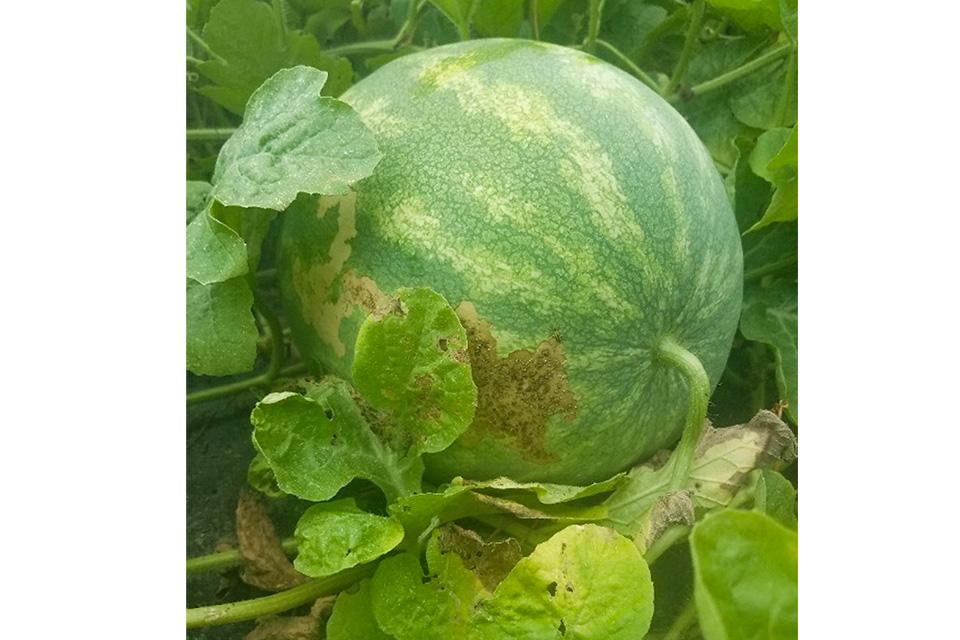
Melon with rindworm and beetle damage.
Photo by David Owens
Looking ahead, new products such as Plinazolin show promise for integrated pest management by providing control of beetles, worms, and mites. However, regional differences in pyrethroid susceptibility highlight the need for localized resistance strategies.
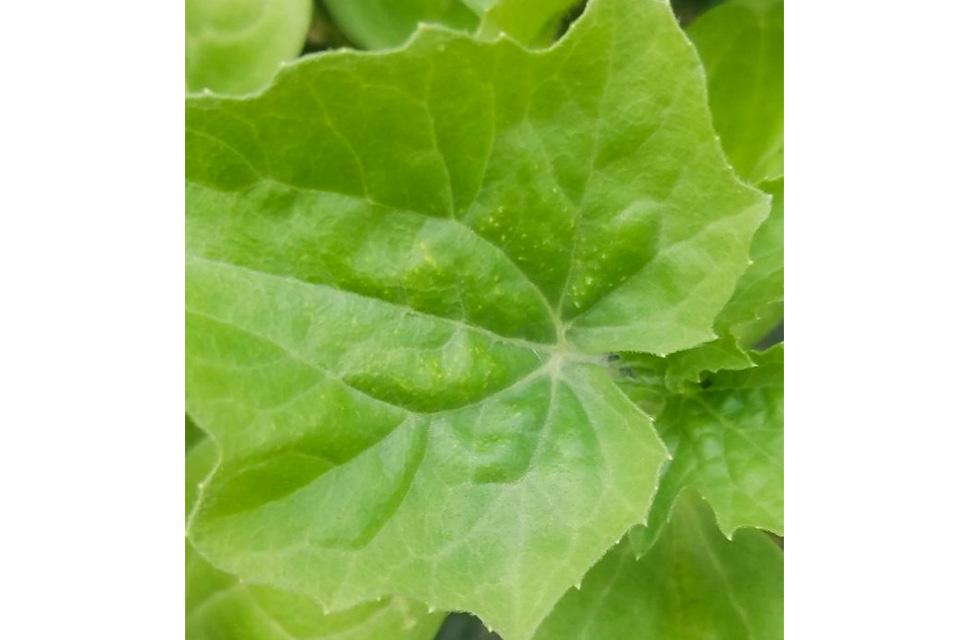
Mites on transplants.
Photo by David Owens
Biological and Organic Trends
This season, biological and organic approaches continue to show promise, though scalability remains a challenge. Trapping crops for cucumber beetles has been effective in smaller regions like New England but may be difficult to implement on a scale elsewhere.
Research on parasitic wasps targeting squash bugs, led by Tom Kuhar at Virginia Tech, emphasizes the importance of conserving beneficial insects to enhance natural pest control within cucurbit systems.
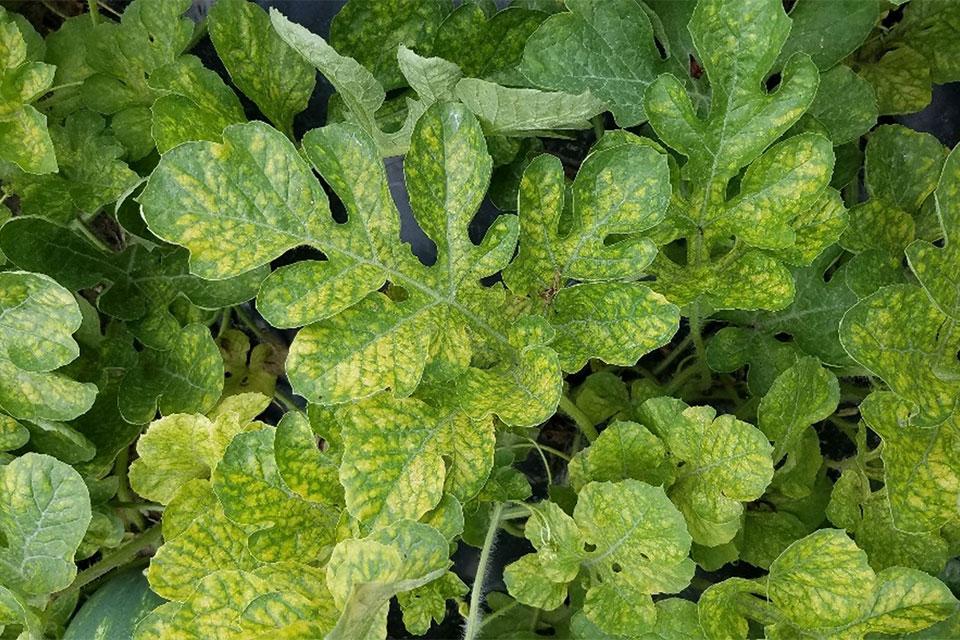
Mite stippling.
Photo by David Owens
Planning for Next Season
For next season, growers should prioritize regular scouting, even in greenhouses, to catch early infestations of mites and aphids before plants reach the field.
Following university-recommended thresholds, such as those from Ian Kaplan’s research at Purdue, helps save money, protect pollinators, and improves plant performance.
Growers should also reconsider routine pyrethroid use, applying them only when justified by pest presence, as unnecessary applications can trigger aphid or mite outbreaks and negatively impact pollinators.
Integrating pest management, thresholds, and selective products reduces risks to beneficial insects while maintaining effective crop protection.
Subscribe Today For
