

Aries Haygood Locks in as the Latest National Grower Achievement Award Winner
 October 6, 2025
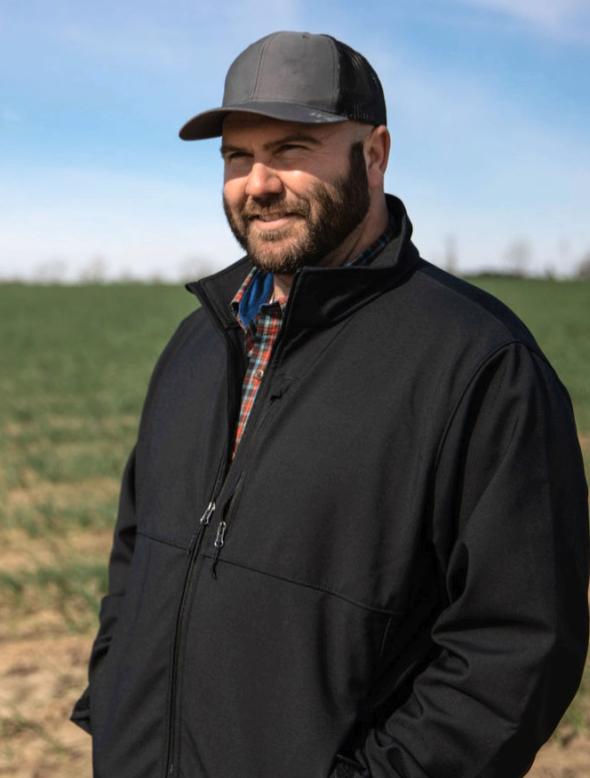
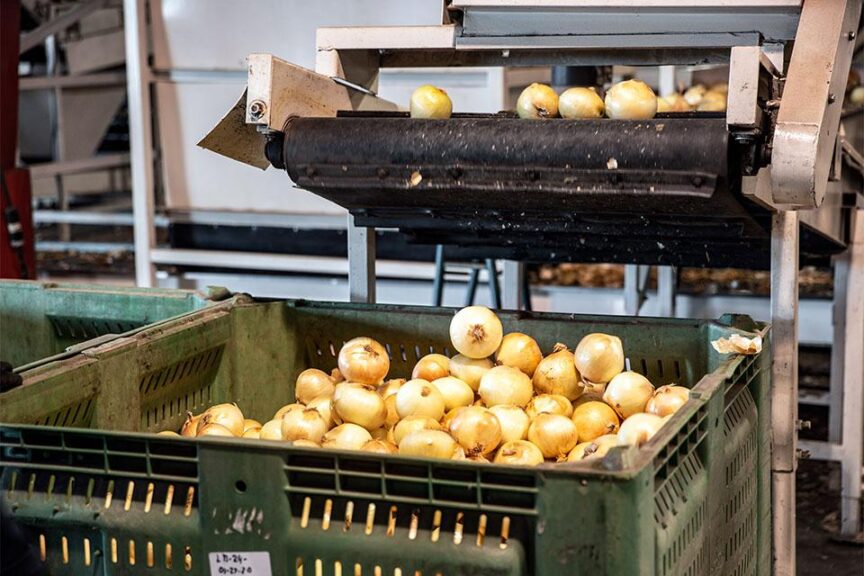
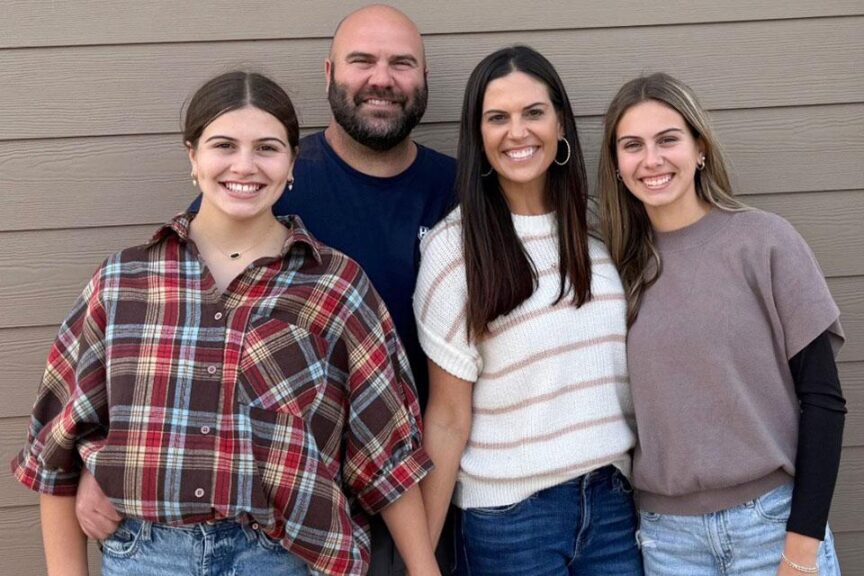
 Aries Haygood never set out to be the loudest voice in the room. The co-owner of A&M Farms in Lyons, GA, is known instead for testing ideas against hard facts, building his farm decisions on meticulous data, and showing steady leadership in both his community and the onion industry. Those qualities are why American Vegetable Grower names Haygood its 2025 Grower Achievement Award National Winner, selected from among 92 nominees.
View all
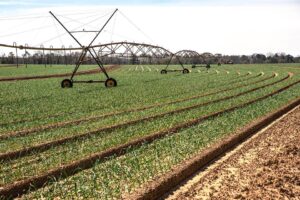
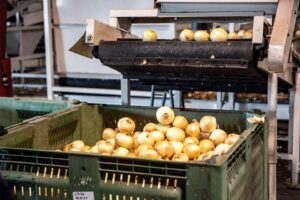
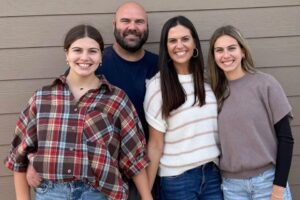
The path was not preordained. Haygood grew up in Vidalia, studied at Georgia Southern, and took a first job selling insurance. After marrying Megan, whose family farmed onions, he brokered an unusual deal.
“I asked Megan to become my agent and broker a deal with her dad to hire me on the farm so I could get out of the office,” he recalls.
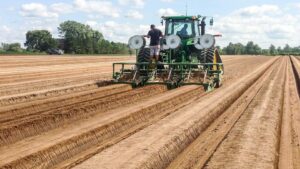
He started literally at ground level, running pegging wheels during planting, then learning the business side in the pack shed. In 2019, Aries and Megan purchased the farm from her father, and the whirlwind began.
“Everything they taught me changed after COVID,” he says.
Markets shifted, costs rose, and mentors exited. What did not change was his conviction that stronger crops and stronger businesses come from asking hard questions, tracking the details, and serving neighbors.
A Nutrition-First Mindset, Backed by Data
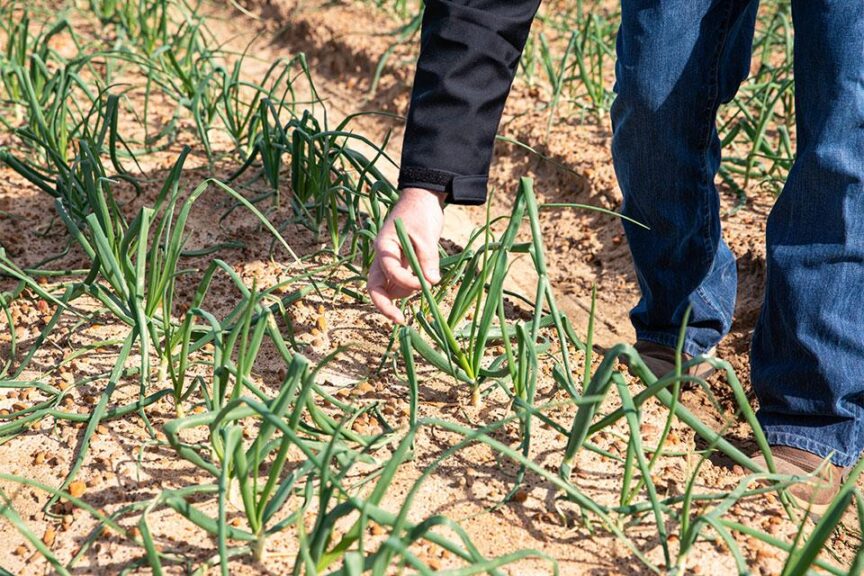
Haygood’s north star is nutrient density. He wants onions and watermelons that are richer in flavor and nutrition, but he knows that lofty goal only matters if the results can be measured and repeated. That is why he grounds the work in constant testing and record keeping.
“I’m spending money on fertilizer. I want to know it’s moving into the plant,” he says.
To get there, he relies on regular sap and tissue analysis, always pulled before 9 a.m. for consistency, and keeps detailed notes from emergence through storage. If a bulb stores six months and still looks good, he treats that as a benchmark for what his agronomy program should aim for.
The process is not about chasing a label. It is about learning whether healthier plants really do translate into more resilient crops and more satisfied customers. Haygood credits scientists and practitioners he follows for sparking the journey, and he admits the curve is steep.
“I’ll listen to a podcast 17 times to get one thing out of it,” he says.
He is also frank about mixed results. Some samples have not shown the gains he hoped for. His response is to refine the program and keep measuring.
That discipline is not only about crops. It is also about people and choices. Haygood keeps refining where to put resources, so the farm stays resilient and future generations have options.
Practical Innovation, Not Shiny Objects
Haygood embraces smart tech when it pays on real farms. He has trialed AI-enabled spot-spray systems that target weeds in onion rows, evaluated laser weeding, and is collaborating with an Israeli team testing a mechanical, AI-assisted harvester tuned to closely spaced vegetable crops.
The filter is simple: can growers his size, and smaller, afford it?
“There’s not much point if folks on the other end don’t pay more,” he says.
Labor is his single largest expense, 52% of total costs in recent seasons, so he focuses on tools that reduce hand work, improve precision, or protect quality through storage and shipping. He markets primarily through partners and brokers who serve Publix, Kroger, Walmart, Sam’s Club, and Canadian retailers, and he is developing a data-driven story those partners can carry to buyers. If nutrition and flavor are measurably higher, he argues, it should matter on the shelf.
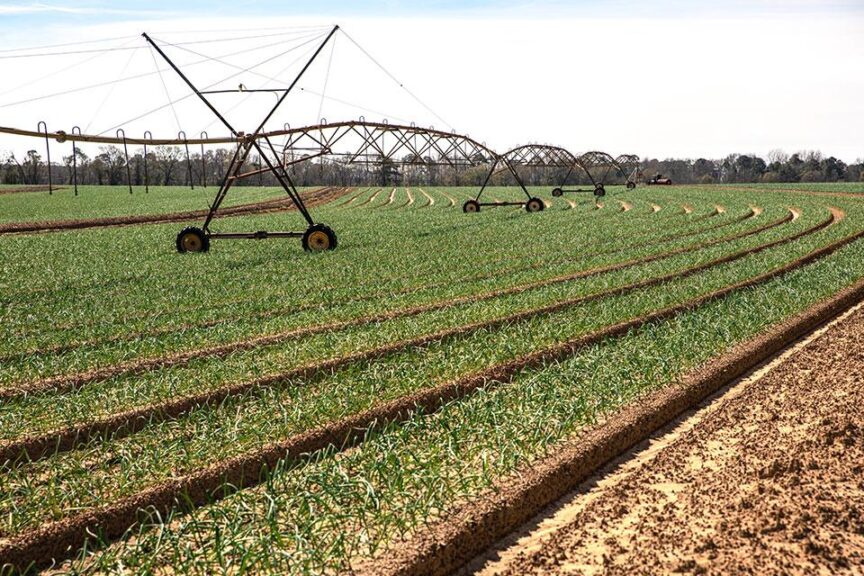
He is also testing small changes with big potential, such as intercropping to reduce erosion in highly tilled root crops, capturing more of the 30 inches of in-season rainfall on onion ground, and tracking which practices correlate with storability and flavor.
A Builder of People, Place, and the Vidalia Brand
Leadership, for Haygood, looks like showing up. In 2024, when Hurricane Helene tore through southeast Georgia, fly-by-night contractors swarmed the region. Haygood put his crew and equipment to work at reasonable hourly rates, often a fraction of the quotes residents had received.
“We stayed busy helping landowners navigate cleanup and relief,” he says.
The side venture did not make him rich. It kept his people working, protected neighbors from predatory pricing, and reminded the community what local agriculture stands for.
Education is another through-line. He speaks at local events, hires high-school students and teaches work ethic, and fields calls from young would-be onion growers. Often, he urges caution.
“Planting is the easy part,” he tells them. “Selling, moving, and getting paid is where people get in trouble.”
He has even cut some of his own acres to create space for smaller growers who can plug into A&M’s packing and marketing. He does so under managed expectations so they can learn without risking everything.
And then there is Vidalia itself. With a partner, he helped launch VidaliaOnions.com and pushes out short, accessible content to connect new consumers to a storied product. He wants Gen Z to know why a real Vidalia tastes the way it does and to ask for it by name.
“Whether they buy mine or a neighbor’s, choosing Vidalia strengthens the whole region,” he says.
Personal losses have underscored the urgency of the work. Colon cancer in 2017, his brother’s passing in 2018, and his father’s death as the pandemic began, have all shaped his perspective. At 42, Haygood figures he has about 30 more crops to grow. He intends to make them count.
“I’m not satisfied yet,” he says. “If I can collect the data, repeat the results, and teach the next generation based on my own hard knocks, that’s impact.”
It is also the kind of steady, forward-looking leadership this award was created to honor.
At a Glance: A&M Farms, Lyons, GA
Owners: Aries and Megan Haygood
Year Founded: Family farm, purchased by current owners in 2019
Acreage Managed: ~1,500 acres
Key Crops: ~250 acres Vidalia onions; 100 acres watermelons; 150 acres peas; 200 acres non-GMO corn; 800 acres soybeans; small cabbage program; exploring peanuts
Customers: Major U.S. and Canadian retailers via brokers and partners (Publix, Kroger, Walmart, Sam’s Club)
Labor: Roughly 52% of total costs in recent seasons
Subscribe Today For