

Deep-Rooted Petrocco Farms Looking Ahead to Its Next 100 Years
 April 2, 2025
 At seven years old, David Petrocco, Sr., began working the family farm. He’s guided the business to the strong operation Petrocco Farms is today. Now more than 70 years later, he and his children brought in a third party to figure out succession planning. Like any generational farm, all the principals are executing a delicate dance of transferring decision making and laying the groundwork for the future.
View all
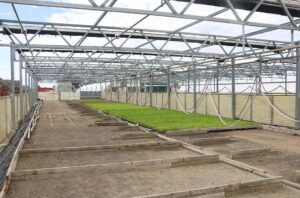
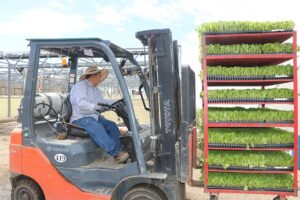
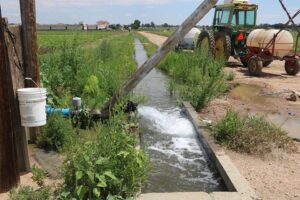
But it’s also a reflective time. What has made the farm what it is? And what moves will ensure there’s another generational handoff?
One of David’s sons, Joe, spoke about the opportunities the operation will be pursuing over the next few years.
“The world has changed so much in the past 40 years,” he says. “If the human race has changed that much in such a short time, and your business hasn’t, then something is going to break.”
No worries about that happening at Petrocco Farms. Here are just a few of the areas Petrocco plans to develop.
Labor and Technology
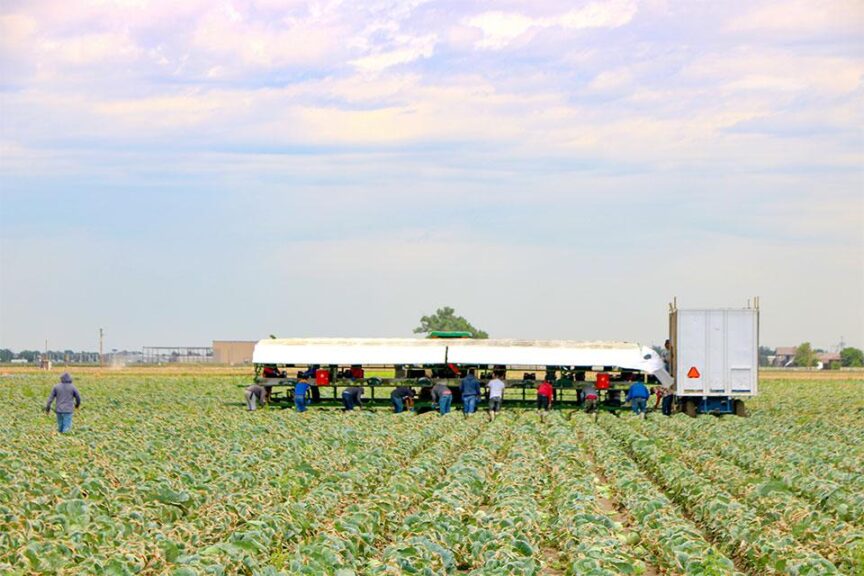
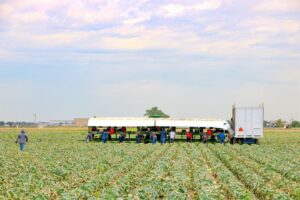
Unlike most farms across the country, Petrocco is able to recruit quality local labor. It’s close enough to Denver for immigrant communities to commute daily to the farm. Local labor makes up about a third of the team, with H-2A filling out the rest.
In addition to the high costs involved with H-2A, Petrocco has to grapple with state shifts in labor laws. Colorado is one of the states that has changed overtime rules and increased base pay for farm work.
“We can’t afford them with the prices that we get during our growing season. So we have to be more efficient with their hours,” Petrocco says.
That said, he wants to keep his employee’s income at a steady rate so they can afford their living expenses.
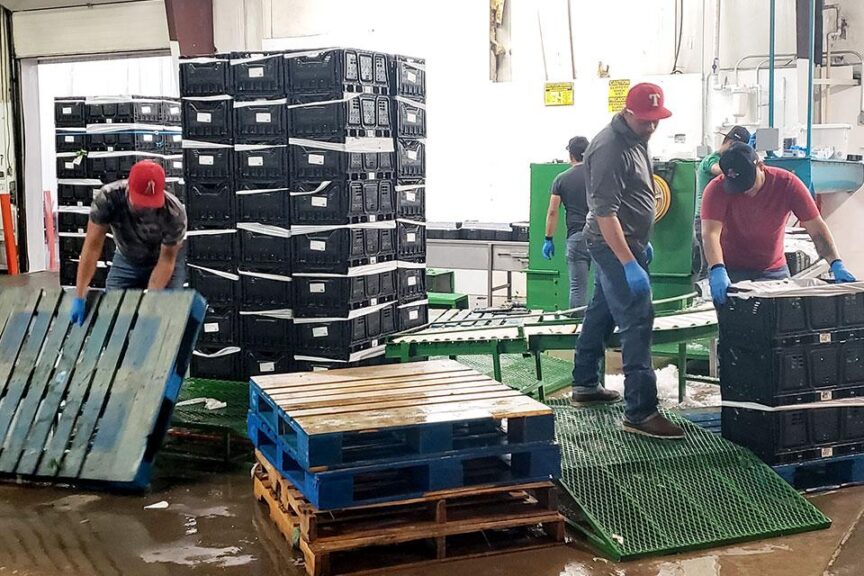
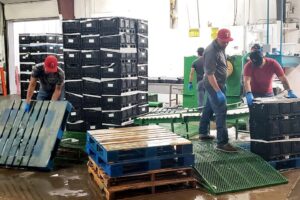
One answer is creating shifts. Morning, afternoon, and evening shifts ensure the farm can keep trucks loaded, and that workers get hours they need without going into overtime.
That has led to improved delivery schedules and improved crop quality.
Guestworkers through the H-2A program handle most field work. One of the costs involved with the program is providing housing, which can cap how many workers you bring in. Even if you build more housing, the insurance costs are so high.
Add the high wages (“It’s simply not going to go down”), it’s better to find efficiencies wherever you can. One way is to reduce the number of acres in production. Over the past several years, Petrocco has reduced their farm size by about 15%.
New technology also holds the promise to keep labor costs down by replacing some people with machines.
“I think the automatic weeders that harness artificial intelligence is going to be key,” Petrocco says.
Regenerative Farming
Petrocco sees regenerative farming has the future of American vegetable production.
“The only way we’re going to be sustainable is a shift from the traditional way of growing, when it’s constant plowing, diesel, and artificial inputs,” says Petrocco.
Petrocco has begun producing organic vegetables and has plans to expand its organic footprint. He has seen good results in produce quality, which attracted a strong customer, Sprouts.
American Vegetable Grower’s GROW STRONGER initiative brings you positive stories from progressive growers filled with innovative solutions to help you grow a stronger future.
“It’s working out great,” he says. “I see life in the soil, and I see the difference in that acreage.”
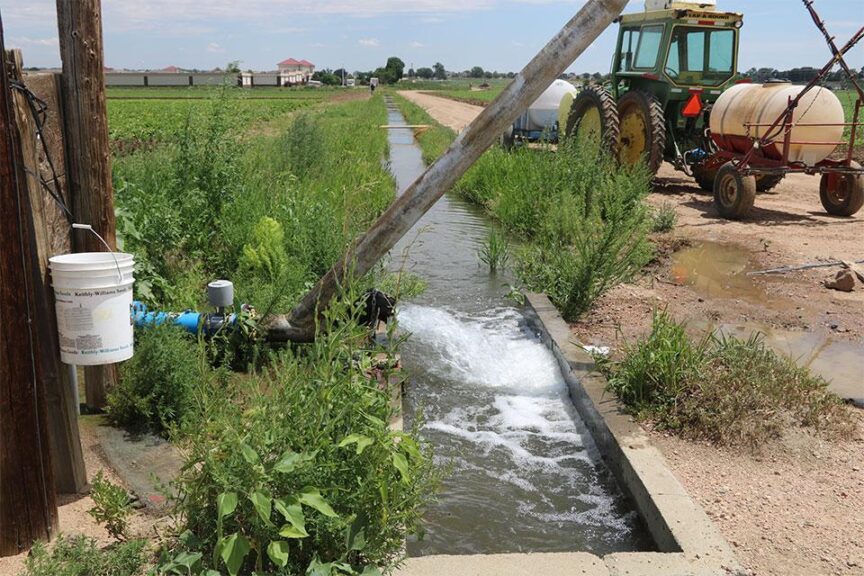
Cover crops and drip irrigation have cut back significantly on plowing and helps the operation keep carbon in the soil. And fewer passes in the field cuts down on wear and tear on tractors and fuel costs, he says.
“I’d like to expand our organic acreage just because of the money savings,” he says.
Petrocco would like to use some of the lessons he’s learned from regenerative practices in their conventional crops.
“You’re adding nitrogen to the soil through composting and cover crops instead of using as many artificial fertilizers,” he says.
Petrocco is working with a consultant he met at Fruit & Vegetable Connect to monitor the nutrients in the soil and watching irrigation and is excited to see plant quality improve.
Getting the Word Out
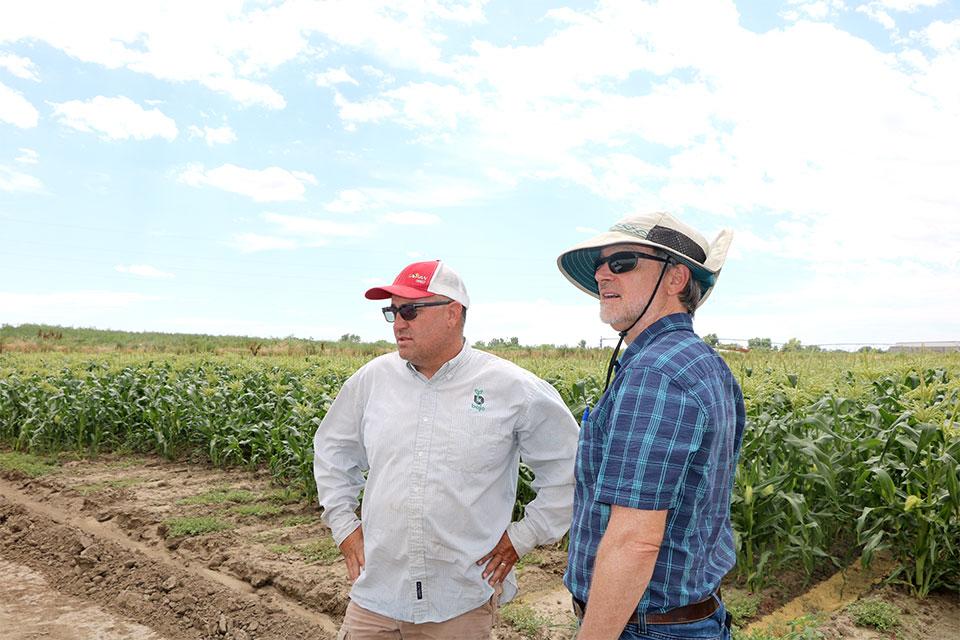
Petrocco, in his role as the current President of the Colorado Fruit & Vegetable Growers Association and Co-Chair of the Agricultural Labor Committee, has been lobbying on behalf of the farming community.
“So many [politicians] are unaware of what it takes to produce a crop on a day-to-day basis. They’re inside of a building or behind a desk,” he says.
If they never visit a farm to experience it, Petrocco says, it’s easy to think reading up on farming is enough education.
“But every little decision that’ made from a legislative standpoint has long lasting effects you are not aware of,” he says.
In fact, if farmers are involved in the process, new laws can roll right over them, Petrocco says.
“We have to be there for that common sense,” he says.
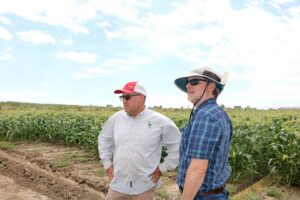
One of the best ways to make an impact is to have lawmakers visit your farm.
“Give them a tour. When you’re in your own element and doing what you do every day, giving them a taste of what it takes, sometimes it opens their eyes and makes them more open minded,” Petrocco says.
At a Glance: Petrocco Farms
Owners: Petrocco Family
Founded: 1916
Locations: Brighton and Greeley, CO
Crops: Cabbage, lettuce, collards, kale, spinach, beans, onion, sweet corn, cilantro, among others
Size: More than 3,000 acres
Subscribe Today For