
Seeing Is Believing: There’s More Than One Way To Build a Successful Farm
 August 18, 2026
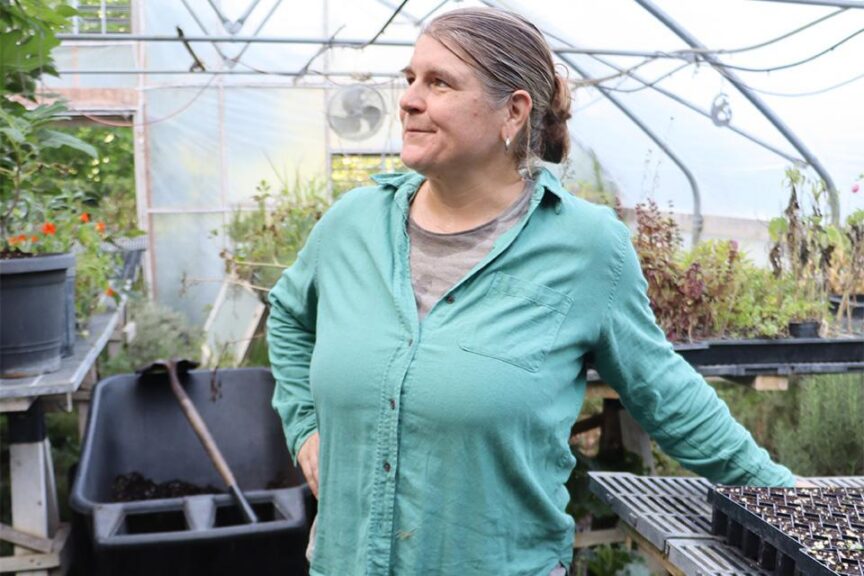
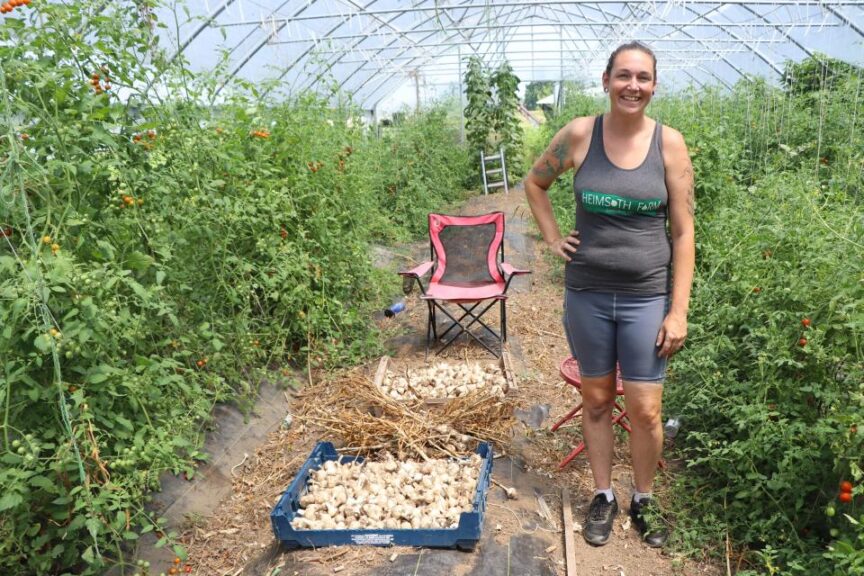
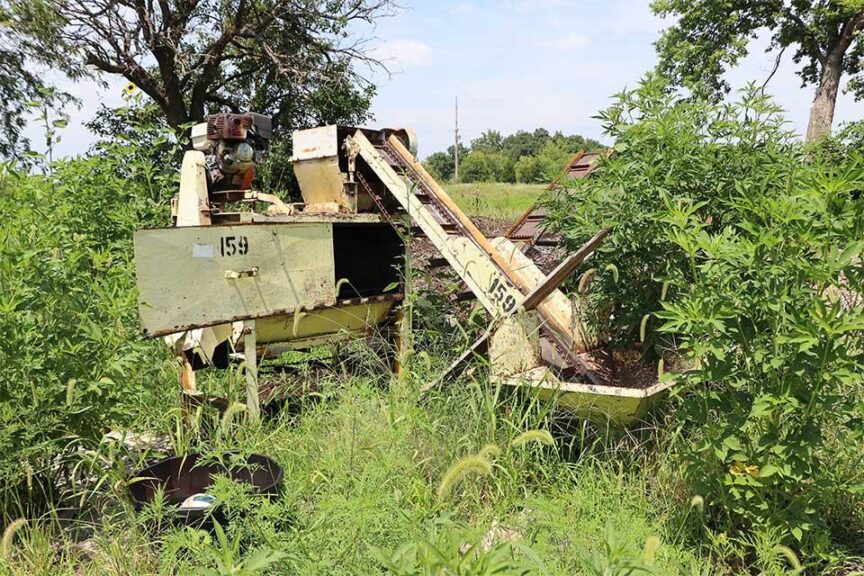
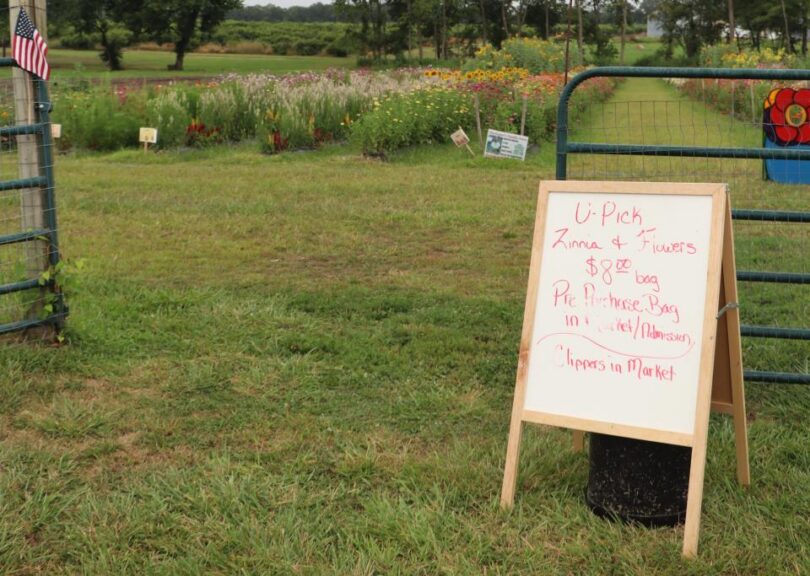
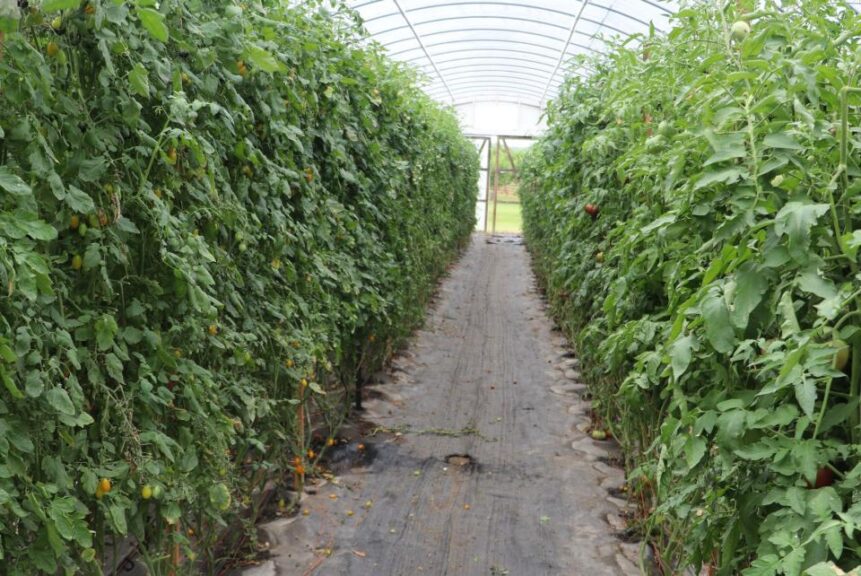
 Every year, I try to spend a week visiting growers in different parts of the country. This summer took me through the farmland of Missouri and Kansas. I spend most of the year talking with growers, either by phone, email, Zoom and at industry events. But there’s something different about standing in the middle of a farm. You see not just what growers are doing, but how all the pieces of the business fit together. Scroll through the photo gallery for moments I captured during my visits with these unique vegetable growers in Missouri and Kansas.

View all
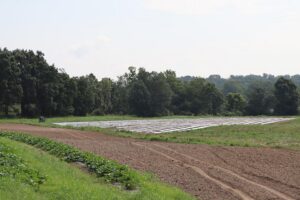
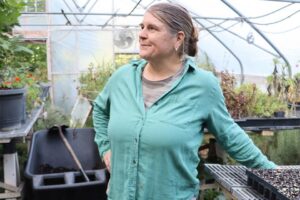

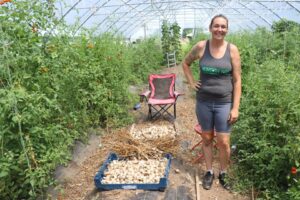

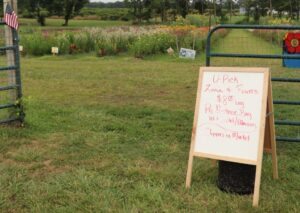
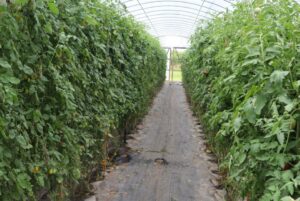
And after this trip, one thing stood out: There are a lot of ways to build a farm that works.
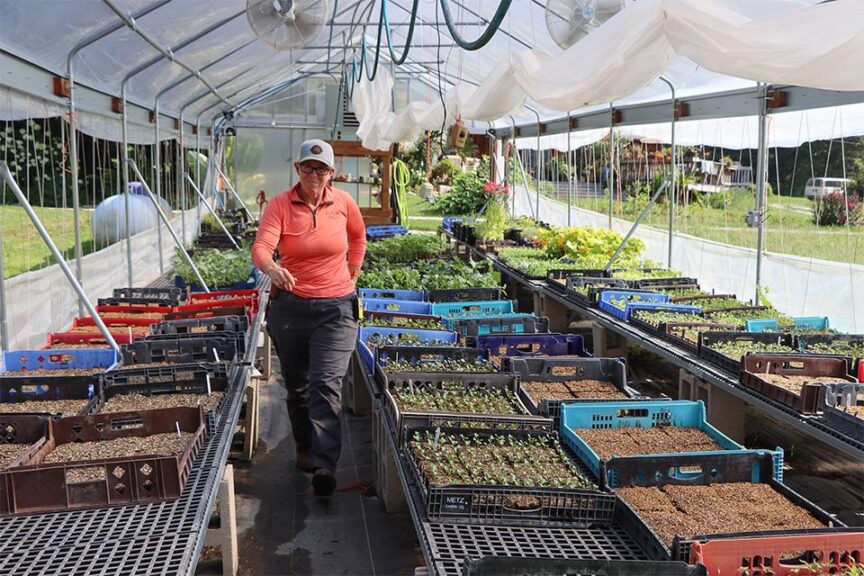
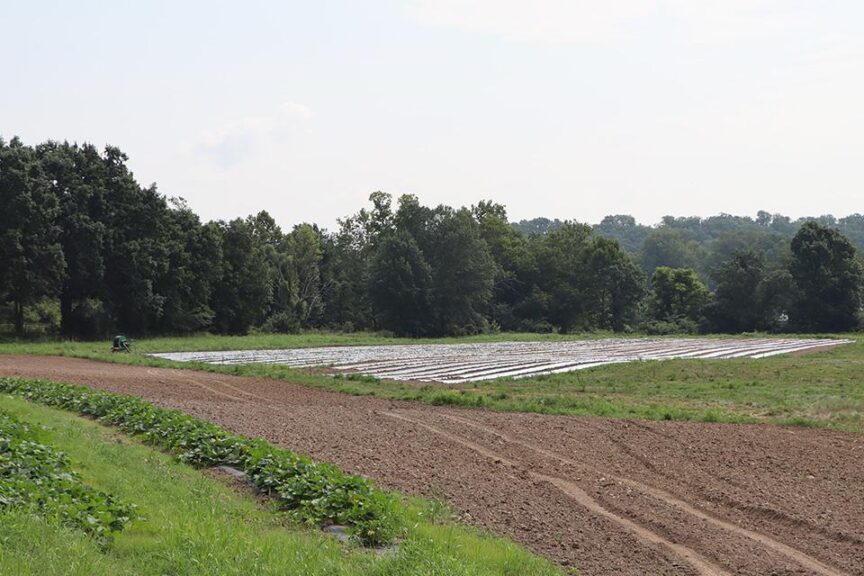
At Happy Hollow Farm in Missouri, Liz Graznak has grown an operation she started 15 years ago into a financially stable and expanding business. One turning point came five years ago, when she began using H-2A workers. Today she brings in seven employees from the same village in central Mexico. The reliable workforce allowed her to expand into field production while continuing extensive high- and low-tunnel production.
But labor wasn’t the only investment. Graznak took out a loan for a packing shed and added comfortable worker housing. Just as important, she told me, has been her network of other growers. One farmer in Minnesota even taught her how to handle her own H-2A paperwork.
Other farms showed a very different kind of resourcefulness.
At Heimsoth Farm in Kansas, Jill Steffensen and Craig Heimsoth use what they can find locally and inexpensively. They hull black walnuts for people in the area, for example, then put the hulls to work on the farm. Jill researched how to compost them safely, learning how to break down the juglone toxin in them. The couple now use the hulls in tested different applications and are exploring whether the heat generated by composting could help warm up a high tunnel.
At Geiringer’s Family Farm, the opportunity to bring customers to the farm. The family once relied heavily on farmers’ markets. Today, a bustling on-farm market, U-pick flowers, pumpkins, fruit, and other attractions bring customers to them.
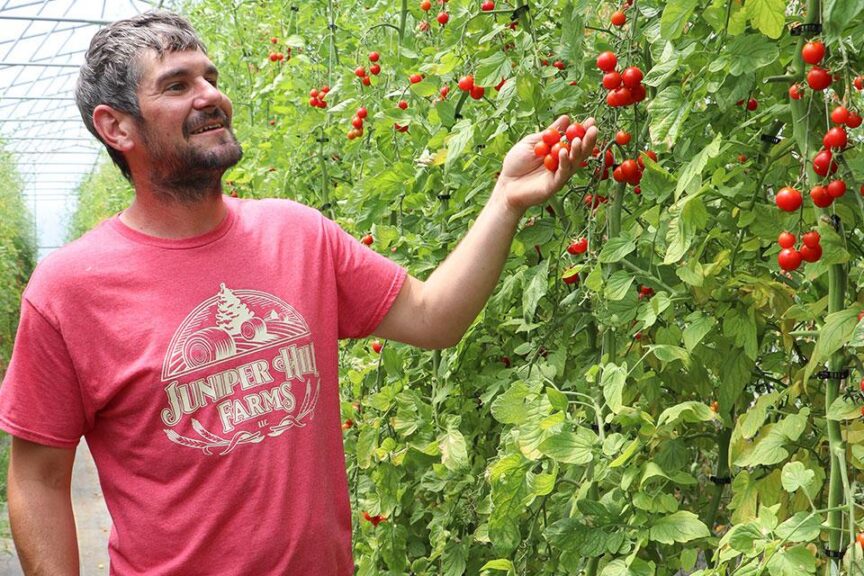
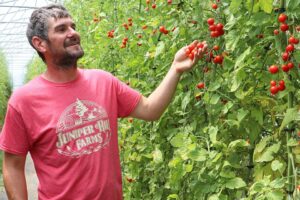
Nearby Juniper Hill Farms takes that idea in another direction. Its summer farm-to-table pizza nights sell out within minutes, turning what the farm grows into an experience — while behind the scenes, the same operation is wrestling with all the decidedly less glamorous realities of growing tomatoes in high tunnels.
Perhaps my favorite stop, though, was one we hadn’t originally planned.
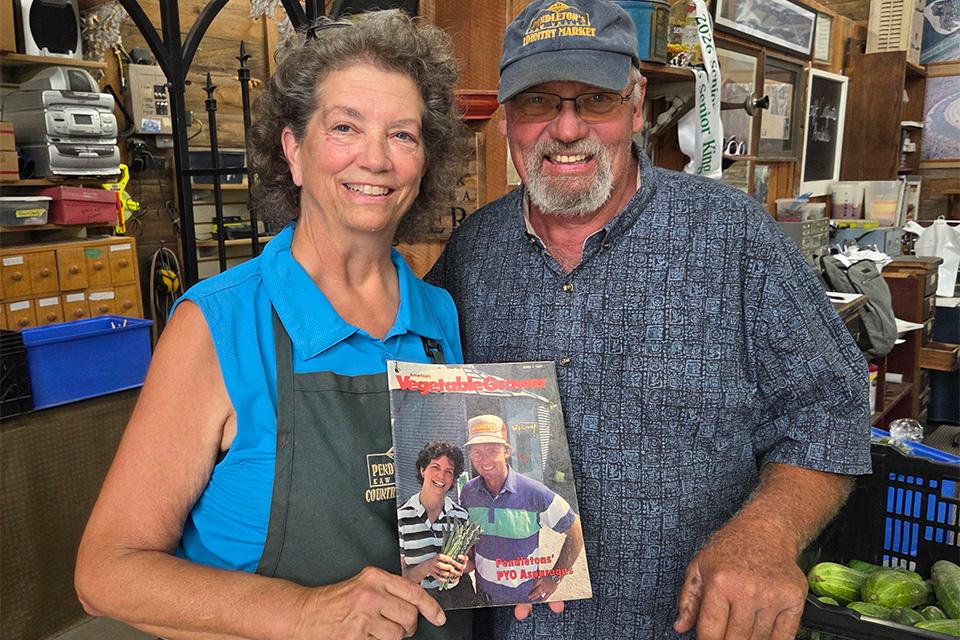
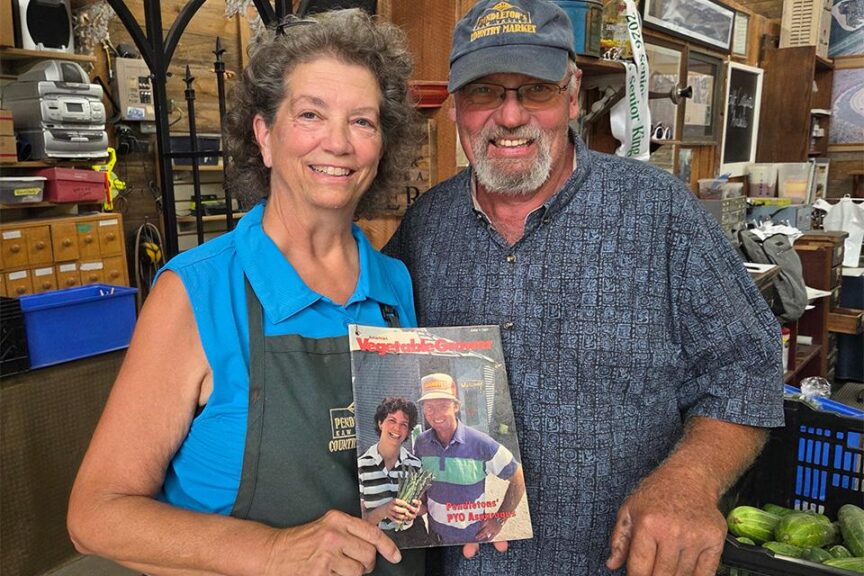
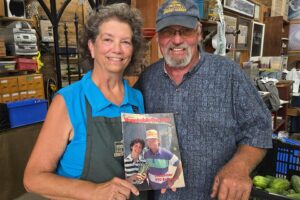
Pendleton’s Country Market appeared on the cover of American Vegetable Grower in 1987. Almost 40 years later, they’re still farming — and still had a copy of that issue. I spent the week seeing growers experiment, invest, improvise, and find their own paths forward. Then I got to meet one who could show me what nearly four decades of “forward” looks like.
Subscribe Today For