


Ways Chuck Obern Rethinks His Farm to Grow Stronger
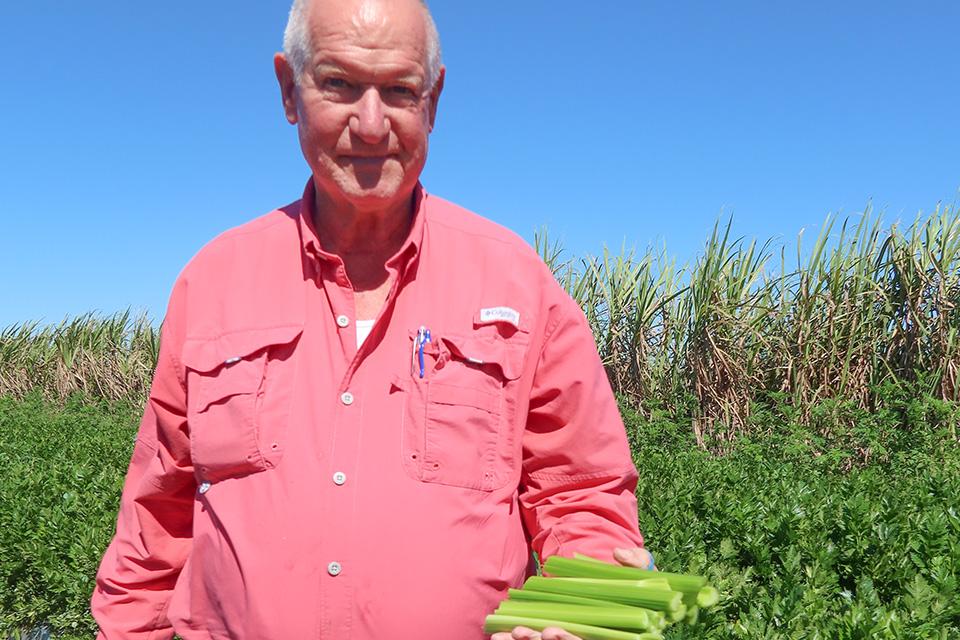
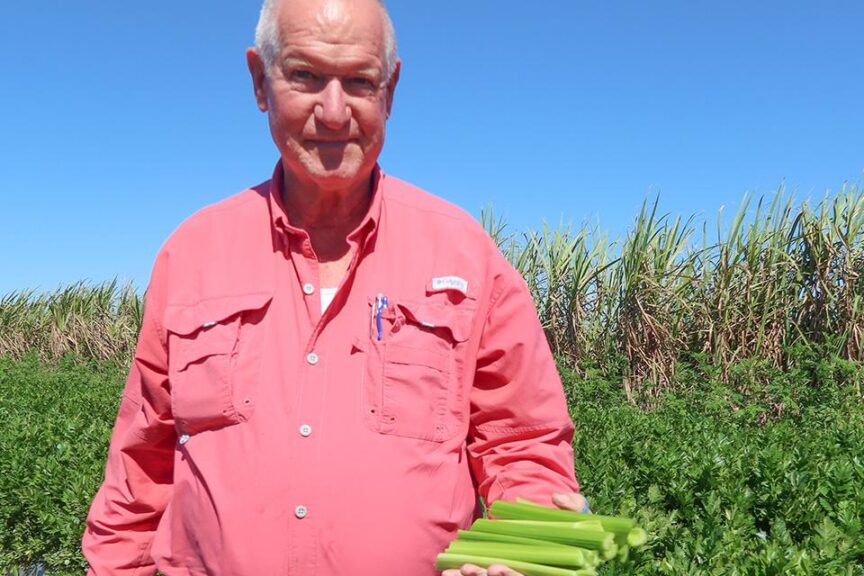
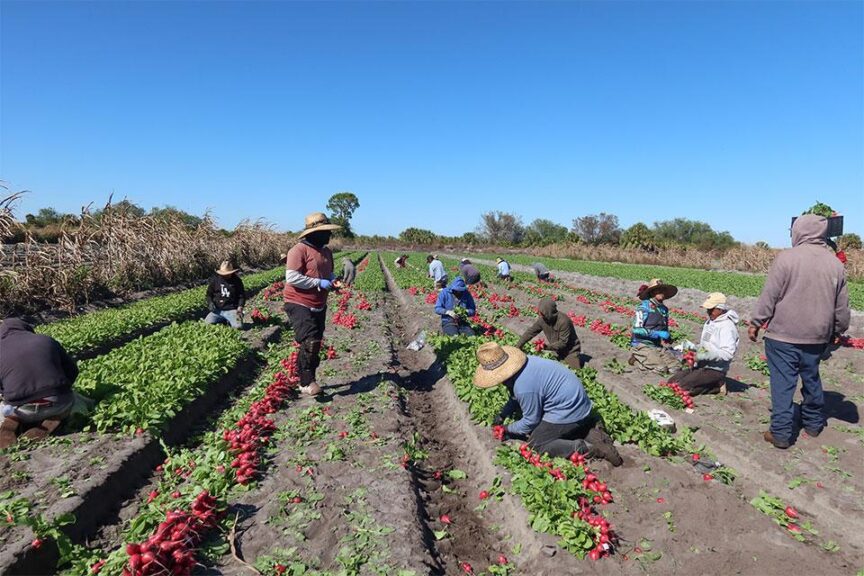
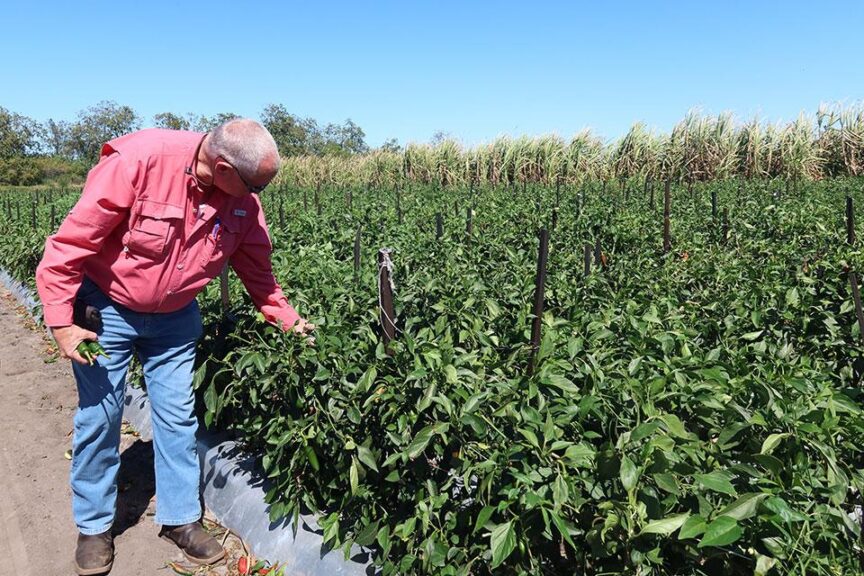
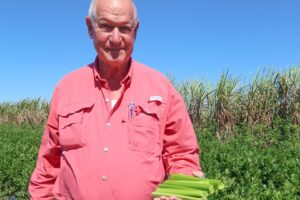
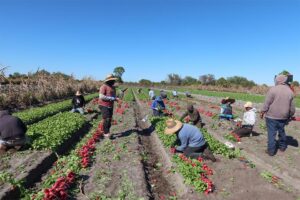
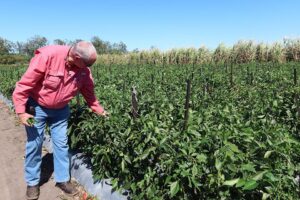
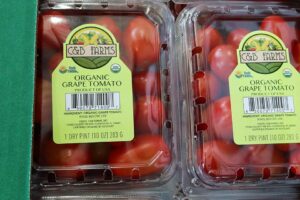
Farming specialty vegetables in South Florida means adapting to sandy soils, unpredictable weather, rising costs, and a host of other challenges. At C&B Farms in Clewiston, FL, Owner Chuck Obern’s response is to keep testing, adjusting and looking for better ways to grow. Across 2,600 acres of vegetables and herbs, that approach touches everything from soil and irrigation to pest management and crop selection.
View all
Building Soil from the Ground Up
When Obern looks across a field, he isn’t just thinking about the crop growing today — he’s thinking about what the soil will look like years from now. Farming on Florida’s natural sandy soils means building what isn’t already there. And for C&B Farms, that has become a long-term commitment. Year after year, the farm is slowly transforming the soil into something that works harder for the crops it supports.
“We’ve been modifying our sand every year with compost and cover crops. We put 8 to 10 tons a year of compost, and you can see there’s more organic matter in this dirt than native soil. Native soils are less than 0.09% organic matter. We have anywhere from 0.9 up to 1.5 because of the years and years of planting,” Obern says.
That philosophy extends beyond adding organic matter. When cabbage yields began slipping, the answer wasn’t another fertilizer application.
Instead, Chuck looked at how the crop was growing and made a simple but meaningful change to give the roots more room to breathe.
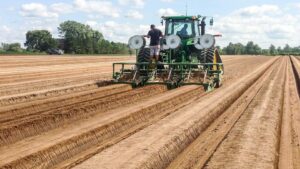
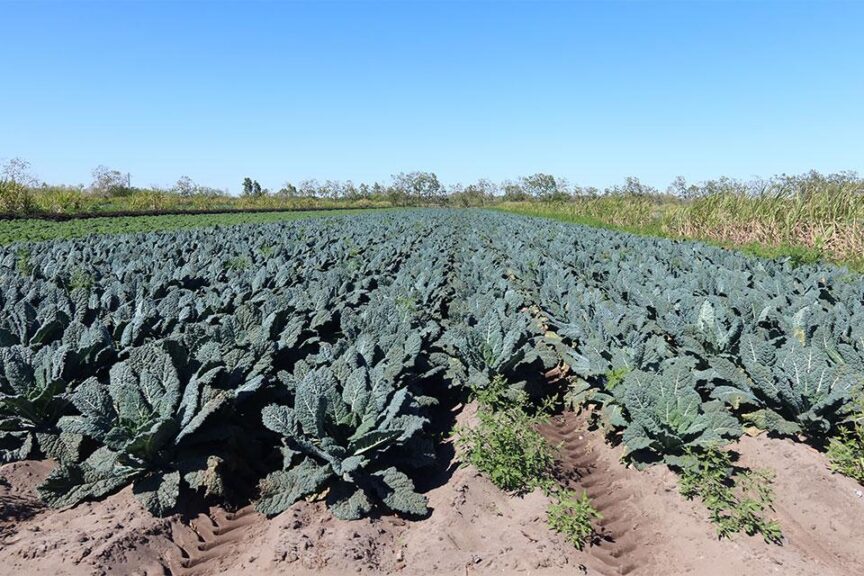
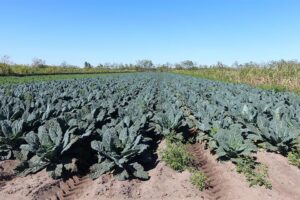
“Two or three seasons ago, we weren’t yielding as well as normal. We tried some different fertilizers, some different blends, and did testing of everything. Then we found another grower who did single beds for green cabbage and red cabbage instead of multiple rows. We switched, and we were back into a higher yield. It wasn’t a fertilizer issue, it was more air. The roots have to breathe, so there’s more air getting into the soil for each plant,” Obern says.
Making Every Drop Count
Water management at C&B Farms goes well beyond turning on the irrigation system. Farming in South Florida means working within environmental regulations while making every available resource count.
Although Lake Okeechobee sits just miles away, C&B Farms can’t use it to irrigate its crops. Instead, the farm has invested in systems that capture and reuse water already moving through the operation.
“We have something called tail water recovery. It’s utilizing water that has flowed off the land and reuses it. We have this canal that collects water from all the farms, and then we pump it back into the farm. So, it’s like recycling the water,” Obern says.
Every irrigation decision is backed by careful monitoring. Chuck relies on multiple weather models to track changing conditions — not only in Florida, but in other growing regions where C&B Farms competes.
Comparing forecasts helps the farm prepare for weather extremes while making more informed irrigation decisions throughout the season. “I use different ones just because you’re never sure which model is going to be the correct model, so you try to get worst case scenario,” Obern says.
A Systems Approach to Crop Health
At C&B Farms, crop health isn’t built around a single input or product. Obern looks at every field as a system, where soil biology, beneficial insects, fertility, and cultural practices all play a role.
That mindset has led the farm to invest in everything from compost and microbial brews to habitat plantings that encourage beneficial insects before pest pressure begins.
“Thrips normally come at the end of February, early March. We scatter Mexican sunflowers all over the farm to build up this native population of beneficial insects. So, when the thrips decide to come in, I already have built up a natural population to fight the thrips,” Obern says.
That systems approach doesn’t stop above ground. Below the soil surface, C&B Farms’ home-brewed microbes help suppress soil diseases. And Obern continues to compare new practices against proven ones.
For Obern, success comes from understanding how each piece of the production system works together, not treating any one practice as a standalone solution.
“So instead of using commercial fungicides for soil disease, we make our own brew of microbes that combat the root disease.” Obern says.
Testing, Measuring, and Refining
For Obern, farming is a constant process of observation and adjustment. Whether it’s evaluating new biological products, comparing production practices, or simply talking with fellow growers, every decision starts with a simple question: Can we do this better?
New ideas aren’t adopted across the farm overnight. They’re tested side by side with current practices before earning a permanent place in the operation.
“We always do a comparison to what we’ve been doing and the new. Then we work with a lab up in Atlanta, GA, and they’ll do bacterial counts for us to make sure that our brew is up to snuff,” Obern says.
American Vegetable Grower’s GROW STRONGER initiative brings you positive stories from progressive growers filled with innovative solutions to help you grow a stronger future.
Preparing for the Future
After decades of farming, Obern isn’t interested in standing still. Every season brings new challenges, whether it’s labor, weather, changing markets, or production costs, and he believes the best way to stay competitive is to keep learning.
That means talking with other growers, testing new ideas, and making changes when the results support them. That willingness to adapt has helped shape a farm built for the long haul.
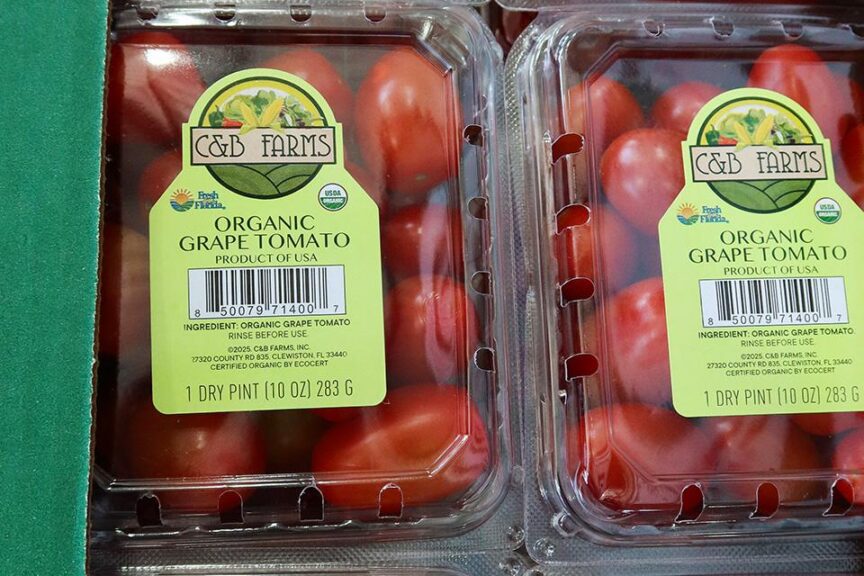
Today, C&B Farms grows nearly 50 different crops, a strategy that spreads risk while allowing the operation to respond to changing market demands. It’s another example of a philosophy that has guided the farm from the beginning: build resilience by never relying on a single solution.
“That’s why we’re so diverse. Many, many different crops so that if one crop’s worth money, you’re ahead of the game,” Obern says.
C&B Farms at a Glance
- Owner: Chuck Obern
- Year founded: 1986
- Location: Clewiston, FL
- Acres: 2,600
- Crops: Wide array of specialty vegetables and herbs both conventionally and organically
Subscribe Today For

![How Florida Farms Weathered Tropical Punch from Hurricane Isaias [PHOTOS]](https://s3.amazonaws.com/files.growingproduce.com/growingproduce/wp-content/uploads/2026/10/Hurricane_Isaias_field_flooding_gallery-300x169.jpg)