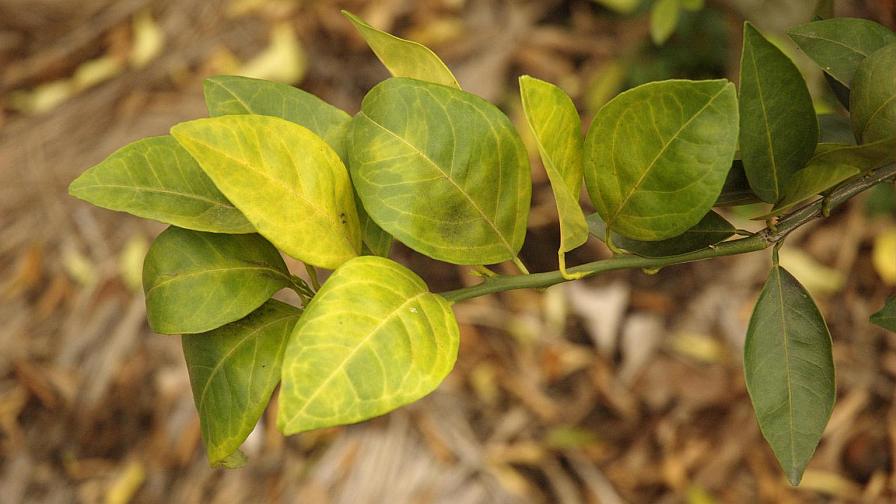
Concern Over Citrus Greening Expands in Southern California Posted by Paul Rusnak|July 1, 2022 USDA-APHIS increases and establishes HLB quarantine areas. Find out where.Read More
How To Build a Wildlife Management Plan That Actually Works for Your Farm By Michele Katsaris|September 2, 2026
The Best Pole and Bush Bean Varieties You’ll Want To Grow Now Posted by Carol Miller|September 1, 2026
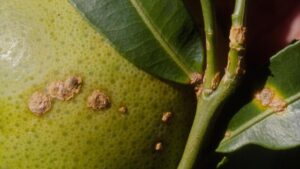
Citrus Canker Disease Raises Its Ugly Head in South Georgia Posted by Growing Produce Staff|June 20, 2022 USDA APHIS officials confirm case of serious crop malady in commercial citrus grove.
Florida Citrus Grower Perspective: The Fight for No. 1 Is Far From Over By Paul Meador, Everglades Harvesting Inc.|March 30, 2022 HLB has put many in the industry at a crossroads, but orange producer Paul Meador says he and his peers have enough optimism in the tank to grow forward.
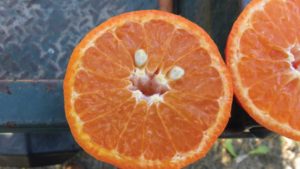
Unique Perspective on Citrus Greening Gives New Hope to Growers Posted by Paul Rusnak|March 2, 2022 Learn how seeing HLB as a pathogen-triggered immune disease might mean finding solutions more swiftly.
How Smart-Spray Technology Can Save Citrus Growers on Pesticide and Fertilizer Use By UF/IFAS News|January 7, 2022 Learn more about new ag tech that applies more pesticide and fertilizers to fruit trees, meaning fewer chemicals in the environment.
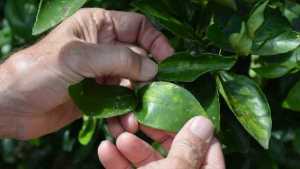
Scientists Taking Next Steps To Stop Deadly Citrus Disease By UC Riverside News|January 3, 2022 New, collaborative research project aims for the root of growers’ problems by breeding fruit tolerant to HLB.
Got Citrus Greening? Symptoms Might Not Show up for Weeks After Infection By Phys.org|December 17, 2021 For the first time ever, scientists have been able to measure the speed of a bacterium that causes the deadly disease.
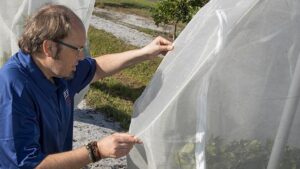
Bag It up! Mesh Covers Prove Effective in Sacking Citrus Psyllids By UF/IFAS News|December 2, 2021 Learn more about new research that shows citrus trees grown under individual protective covers (IPCs) show no signs of HLB.
Another Round of Big Bucks to Help Boost Research in Citrus Greening Battle Posted by Growing Produce Staff|November 18, 2021 USDA’s National Institute of Food and Agriculture is investing nearly $11 million in several projects that aim to hit HLB from different angles.
Fungal Pathogen Might Be Worst Nightmare for Asian Citrus Psyllid By Robin Koestoyo|October 6, 2021 Newly published research shows Cordyceps javanica helped lower pest numbers by 90%.
Journey into Citrus Microbiome Could Yield Big Plant Health Potential Posted by Paul Rusnak|September 25, 2021 New research project aims to identify the beneficial traits of microbes within plants that have the capacity to impact citrus pathogens.
Has a Key Been Found To Help Restore HLB-Positive Citrus Trees? Posted by Paul Rusnak|September 14, 2021 Find out where you can learn more about gibberellic acid treatments and what they can do now to relieve stress for plantings racked by disease.
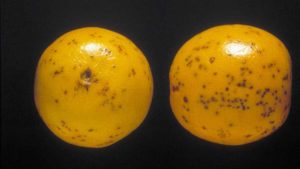
Citrus Black Spot Quarantine Area on the Grow Again in Southwest Florida Posted by Paul Rusnak|August 20, 2021 Confirmed detections of the fungal foe’s causal agent prompts alert from USDA’s Animal and Plant Health Inspection Service.
Deadly Citrus Greening Disease on the Move in Southern California Posted by Paul Rusnak|August 17, 2021 New quarantine area established as detection marks first time plant disease has been found in San Diego County.
Ancient History Reveals Future Path for Citrus Growing Success Posted by Paul Rusnak|July 29, 2021 Learn how scientists tapped into millions of years of data and plant survival for modern-day inspiration to solve HLB.
Is Sap Analysis the Future of Fine-Tuning Plant Nutrition? By Frank Giles|July 5, 2021 The tool, often referred to as a blood test for plants, is getting more attention from growers.
Can You Dig It? Citrus Soil Health Study Gets $500K in Backing Posted by Paul Rusnak|April 28, 2021 Team of scientists from the University of Florida set to find out how changes in soil health might impact yield.
Return of Aldicarb in Florida Citrus Denied by State Agriculture Department Posted by Frank Giles|April 22, 2021 The previously phased-out pesticide effective in battling Asian citrus psyllid and nematodes had been cleared by EPA in January.
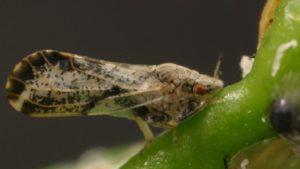
Have Scientists Found a Way To Short-Circuit the Asian Citrus Psyllid? Posted by Paul Rusnak|March 18, 2021 Learn how a new biotech breakthrough could be key in slowing the spread of HLB and its vaunted vector.
Deadly Disease Front and Center for Citrus Growers By David Eddy|February 6, 2021 But while they express overwhelming concern about HLB, many growers remain positive.