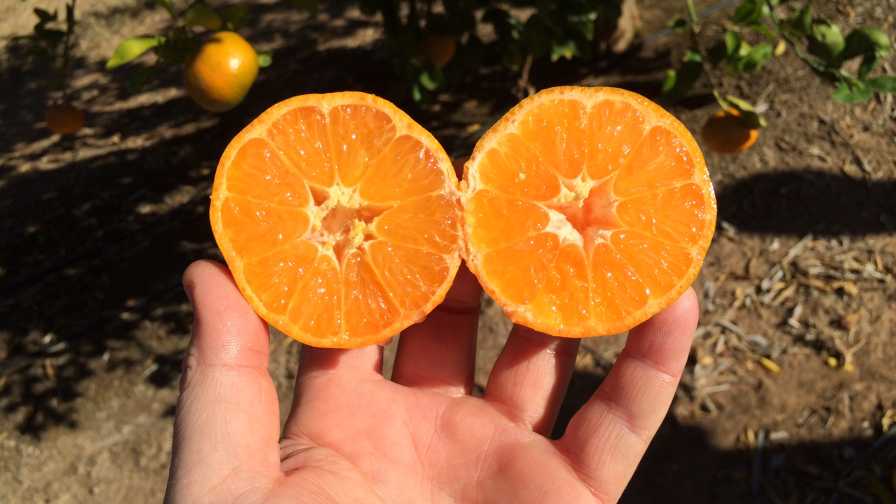
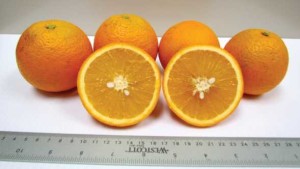
In Quest for Low-Seeded Citrus, It Takes Two to Tango By Peter Chaires|May 23, 2017 Momentum for viable mandarin hybrids for Florida reaching a peak in the land down under.Read More
Joanna Parker of Circana to Keynote CEAg World 2026 Conference Posted by Growing Produce Staff|September 16, 2026
Federal Health Officials Declare Cyclospora Outbreak Over — Now What? By International Fresh Produce Association|September 15, 2026
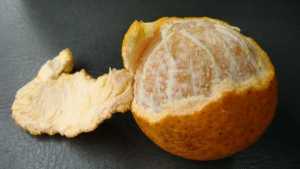
Unique Citrus Variety Standing Up to Deadly Disease Posted by Paul Rusnak|May 18, 2017 University of Florida researchers are peeling back the layers to find out what’s helping specific mandarin hybrid hold serve against HLB.
Georgia Citrus Seeking to Make Its Mark By Peter Chaires|April 15, 2017 Florida’s neighbors to the north are getting serious about citrus, for good reason.
Experimental Citrus Groves Disappearing in Florida By Peter Chaires|March 16, 2017 Challenges to growth expand as vital research is in dire need of a home.
Citrus Nurseries Analyze the Need for Seed By Peter Chaires|February 22, 2017 It seems many growers are more certain about their scion choices than they are about available rootstocks.
5 Florida Citrus Nursery Trends Worth Watching By Peter Chaires|January 18, 2017 Gleanings from recent grower gatherings expose opportunities and possibilities in new variety development and management.
Finding Weak Links Key to Saving Florida Citrus By Peter Chaires|December 19, 2016 Unique supply challenges placing a strain on restoration of the state’s acreage.
Open Forum To Help Put More Florida Citrus On The Fast Track Posted by Paul Rusnak|November 29, 2016 Growers, nurseries, and industry stakeholders invited to review and discuss pros and cons of rapid release program.
Florida Citrus Connecting The Dots On Promising New Selections By Peter Chaires|November 18, 2016 From modern mandarins, to the latest allure of lemons, progression is palpable.
How Is The Citrus FAST TRACK Program Faring? By Peter Chaires|October 19, 2016 Now that the oldest trees in the rapid evaluation system are two years old, growers are looking for a barometer check on their performance.
Is Citrus Ready To Break Out Of The Bubble? By Peter Chaires|September 20, 2016 Opportunity for enhanced data collection process at variety display days could give breeding and research teams a leg up in vetting sensible selections.
Florida Citrus Breeders Squeezed For Time By Peter Chaires|August 22, 2016 The pressure is on to develop a more HLB-tolerant orange.
Florida Farmer Takes Fresh Approach To Growing Citrus By Frank Giles|August 18, 2016 New easy-peel, seedless varieties offer market potential.
Genetic Markers Point Way To Breeding Better Mandarin Oranges Posted by Paul Rusnak|August 15, 2016 Scientists targeting qualitative and quantitative traits that would take tangerines to a new level.
For Citrus Variety Development, The Drawing Board Is Full By Peter Chaires|July 16, 2016 Progress apparent in pipeline of promising sponsored projects.
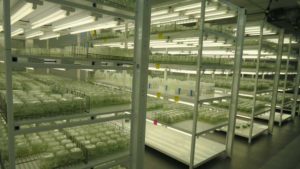
Florida Citrus Tissue Culture Lab Opens To Great Expectations By Peter Chaires|May 14, 2016 Brand new facility to serve as another beacon of hope amid the long shadow of HLB.
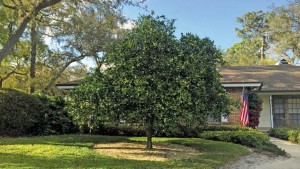
Dealing With The Dooryard Citrus Dilemma By Peter Chaires|April 16, 2016 While the added revenue that comes with consumer segment trees is nice, an elevated risk of pest pressure cannot be denied.
Unnatural Selection Significant In Evolution Of Citrus By Peter Chaires|March 23, 2016 Breeding efforts helping bridge gap for growers in crisis.
Progress Surrounding Citrus Being Sucked Into A Vacuum By Peter Chaires|February 17, 2016 An open dialogue is needed among Florida growers if knowledge is to be employed as a tool to enhance field operations.
Struggling Citrus Sector Has Lifeline In New Variety Development By Peter Chaires|January 20, 2016 Progress on numerous fronts show, for many, the glass is half full.