



Exotic Fruit Fly Found In Central Florida
 August 30, 2011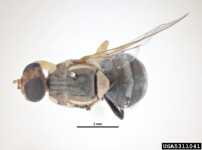
The Florida Department of Agriculture and Consumer Services (FDACS) has positively identified the presence of a guava fruit fly, Bactrocera correcta, collected during routine trapping. The origin of the fly, which was collected in the Windermere area of Orange County, has not been determined.
“Though disturbing, this find confirms that our early detection system for pests and diseases is among the best in the nation,” said Director of Plant Industries Richard Gaskalla. “Our staff, working closely with our federal partners, has begun intensive delimiting trapping in the area around the positive find.”
The Department, in cooperation with the USDA, launched an intensified trapping program in an 81-square mile area surrounding the fruit fly identification. Traps are checked on a daily basis for one week to determine if there is a reproducing population of this unwanted invader. If no additional fly is found, traps will be checked once per week for three life cycles of the fly or approximately 60 days. State and federal agencies will work with local governments to keep the public involved and to provide updated information.
The Department has detected the guava fruit fly several times in Florida since 1999; however, the fly has yet to establish a strong presence. It is considered a threat to many of Florida’s fruit and vegetable varieties, including guava, peach, mango, fig, date, tropical almond, sapodilla, roseapple, jujube, castor bean and sandalwood. Increased frequency of detection in new areas around the world indicate the guava fruit fly has an expanding host range that may include important Florida crops, such as citrus. The fruit flies lay their eggs in host fruits and vegetables. In a few days, the eggs hatch and maggots render the fruits or vegetables inedible.
Source: FDACS news release