



Beneficial Wasps Emerge as New Allies in Controlling Invasive Leafhopper
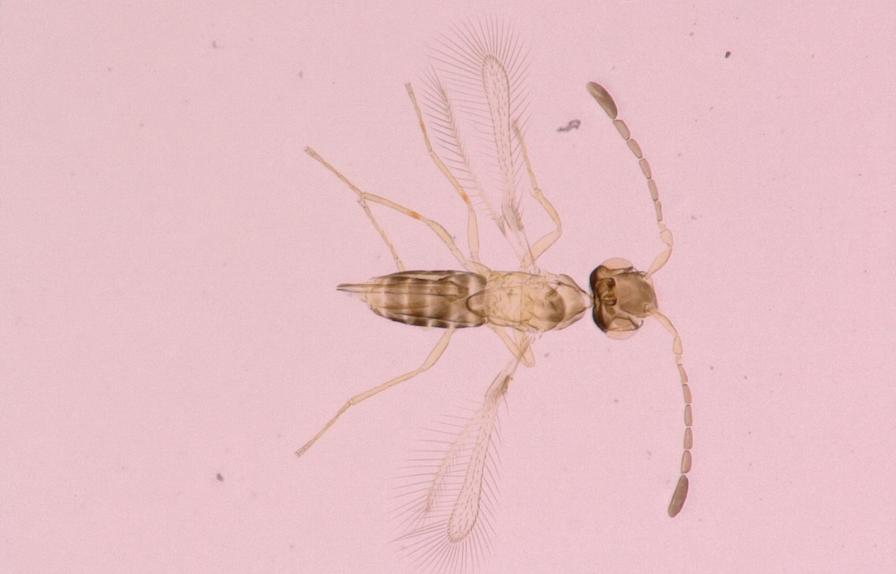
A view of the Anagrus vulneratus, one of two parasitic wasps reported targeting the invasive two-spot cotton leafhopper.
Photo by Alexandra Revynthi, UF/IFAS
The discovery of two tiny native wasps by University of Florida researchers could be big news for local specialty crop growers on the lookout for the invasive two-spot cotton leafhopper.
The native parasitic wasps, scientifically known as the Anagrus vulneratus and Anagrus sp. near vulneratus, are natural enemies of the two-spot cotton leafhopper.
In September 2025, UF/IFAS warned the newly detected two-spot cotton leafhopper was threatening crops across South Florida after spreading from its initial detection in December 2024. The pest was reported to cause serious damage to the Sunshine State’s high-value food and ornamental crops including cotton, okra, eggplant, roselle, sunflower, tropical hibiscus, and others. It prompted statewide pest alerts.
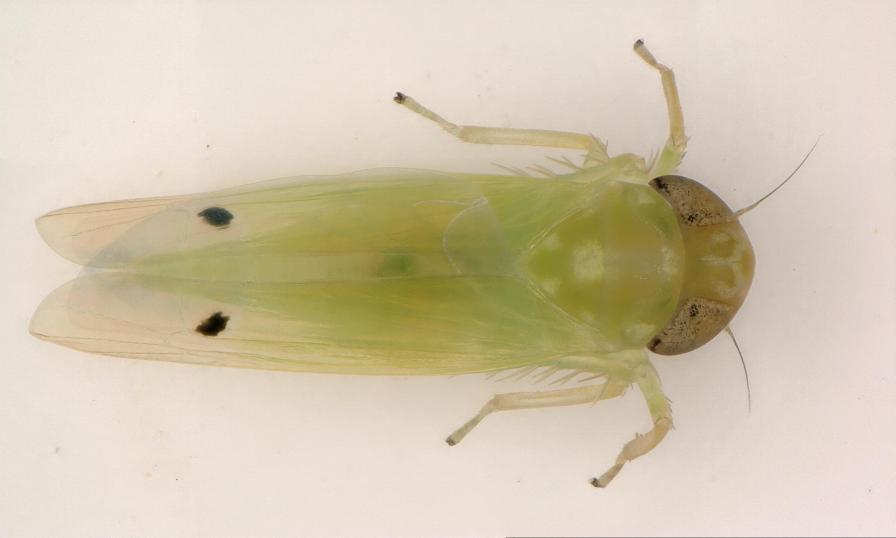
Dorsal view of a male two-spot cotton leafhopper.
Photo by Alexandra Revynthi
The two-spot cotton leafhopper damages plants by sucking sap from the underside of leaves, causing yellowing and curling, and reducing yields for growers to market and the public to access from local stores. The beneficial wasps, however, could help stop the leafhopper pest before it gets started by attacking its eggs.
“This is a significant discovery because it shows that Florida already has natural enemies that we can use for the biological control of this invasive pest,” says Alexandra Revynthi, UF/IFAS Assistant Professor of ornamental entomology and acarology.
During a field sampling at the UF/IFAS Tropical Research and Education Center in Homestead, scientists saw the wasps emerging from okra leaves infested with leafhopper’s eggs. Both wasp species, native to North America, had not previously been associated with this pest. Researchers followed up by conducting genetic sequencing to confirm the wasps’ identities.
Because these wasps target the pest at the egg stage, they may serve as an effective, chemical-free means of reducing leafhopper populations, adds Revynthi. Previous research shows that the Anagrus species can help slow pest population growth by invading eggs embedded in leaf tissue. This natural control could support integrated pest management efforts and reduce reliance on insecticides.
For more, continue reading at blogs.ifas.ufl.edu.
Subscribe Today For
