

First Spotted Lanternfly Egg Masses Intercepted at California Border
 June 17, 2024
 Spotted lanternfly (SLF) egg masses on a shipment originating from New York and destined for Sonoma County, CA, were intercepted at the Truckee Border Protection Station in late March. The discovery was not publicized at the time and is being brought to attention by the California Association of Winegrape Growers (CAWG). Experts believe that informing the public is crucial in blunting the SLF’s impact.
View all
This is the first finding of SLF egg masses in California. CAWG is highlighting this now because, if other SLF egg masses have arrived in California undetected, they may produce adult SLFs in the coming weeks, with peak populations expected in late summer or early fall. SLF has the potential to affect the entire grape industry.
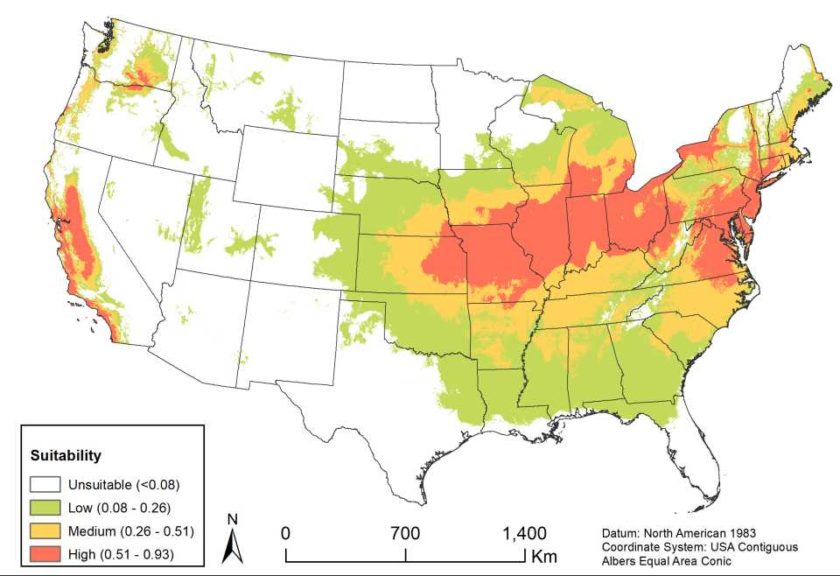
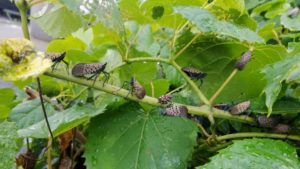
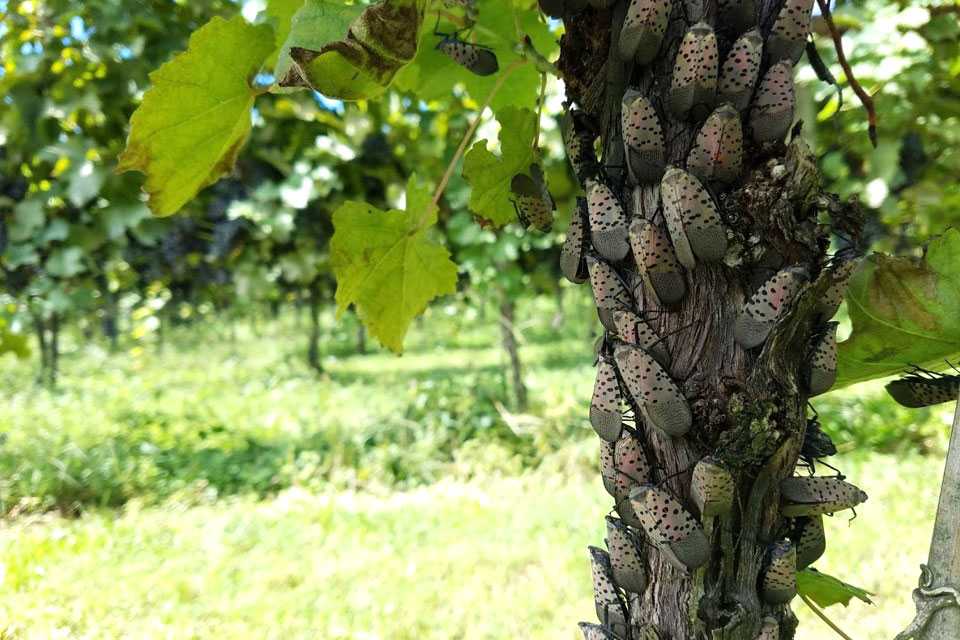
“This is essentially a public service announcement to raise awareness of how to identify a spotted lanternfly and the immediate action to take if discovered,” CAWG President Natalie Collins says. “Spotted lanternflies have been found in 18 states and have proven to pose a serious threat to vineyards. These invasive insects feed on the sap of grapevines while also leaving behind a sticky honeydew residue on the clusters and leaves. Their activities stress the plants, decrease vine health, and, in some cases, can lead to plant death.”
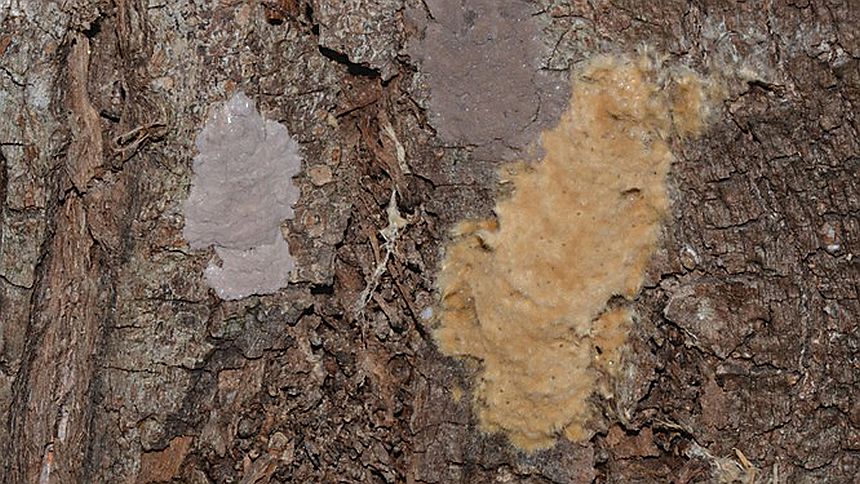
The egg masses were intercepted on a 30-foot-tall metal art installation on March 27. The station staff found 11 viable egg masses on the artwork, resulting in the shipment being rejected at the station and refused entry into California once the pest identification was confirmed by California Department of Food and Agriculture (CDFA) lab staff.
The rejected shipment was then returned to Nevada, where officials further inspected the artwork off the truck and found an additional 30 egg masses in areas that were not accessible to station staff. Nevada officials also supervised the hot water power washing with detergent of the artwork.
The shipment was later returned to the Truckee station for reinspection and was released to its destination under a Warning Hold Notice to allow for further inspection by county staff. Sonoma County staff inspected the shipment on April 4. The owner of the sculpture accommodated the county’s request to open all hollow beams and use cranes to move pieces for a thorough inspection, and the county staff found an additional three egg masses. The county staff concluded the inspection only after they were confident that no more egg masses were remaining.
Collins said CAWG applauds the strategic planning undertaken by UDSA’s Animal Plant Health Inspection Service (APHIS), as well as CDFA, in implementing preventative measures aimed at mitigating the spread of SLF. Additionally, CAWG commends CDFA’s inspection station teams for their diligent efforts in inspecting loads entering the state and the Pierce’s Disease Control Program for their research and mitigation of invasive pests, including the SLF.
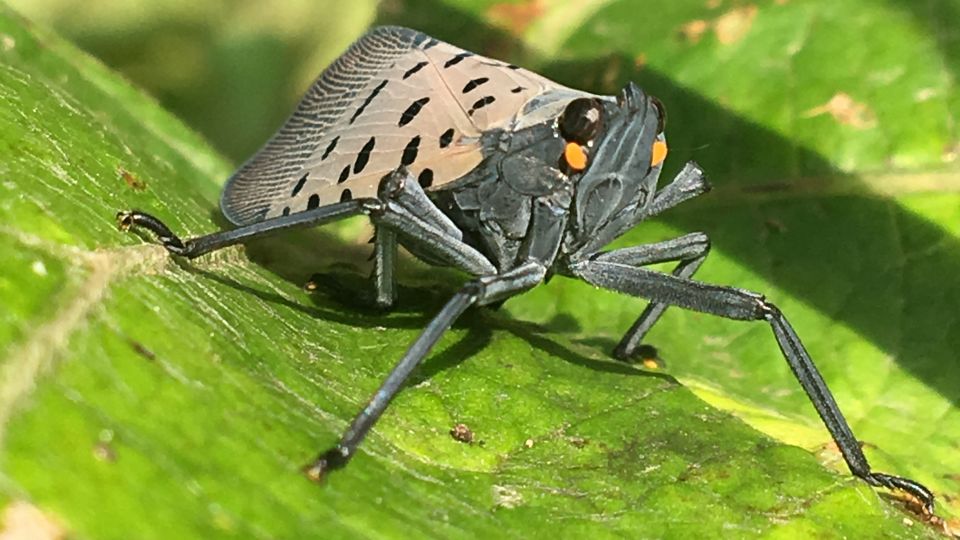
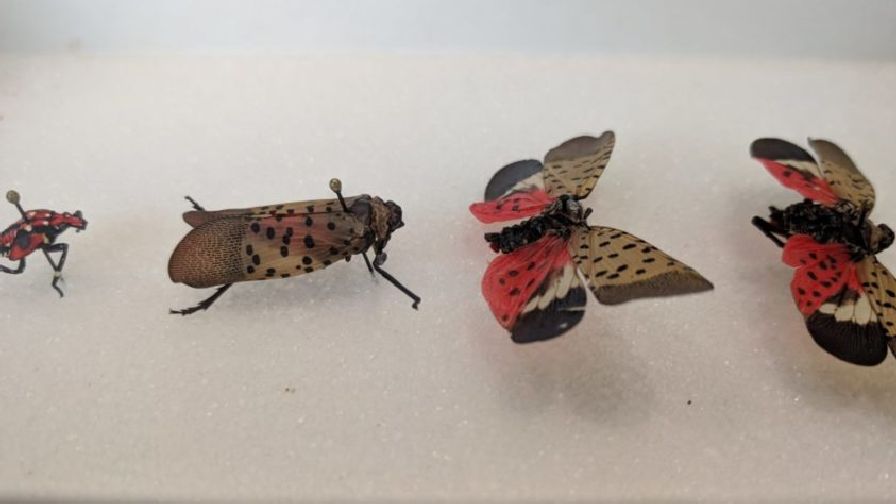
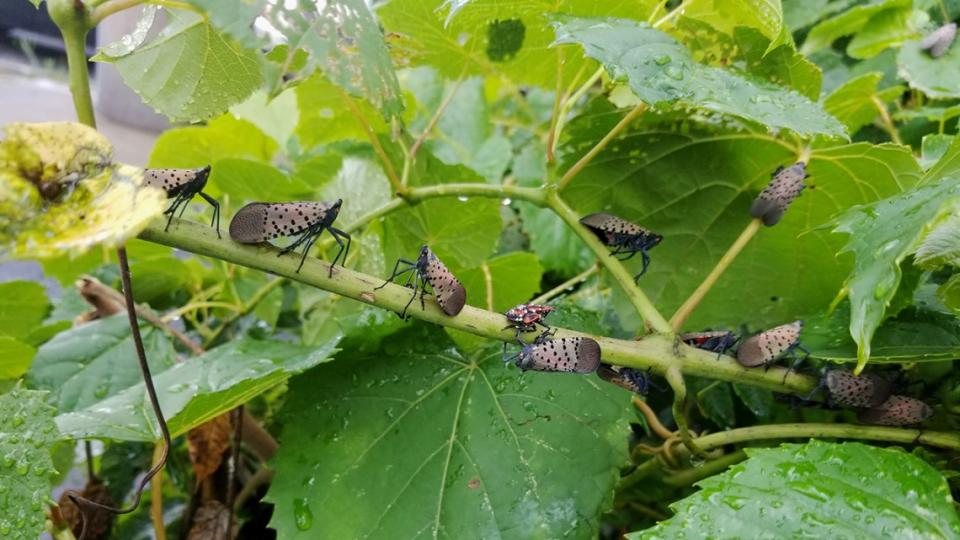
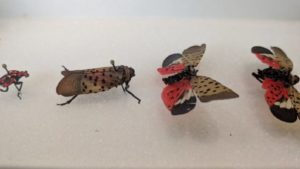
Adult SLFs are typically visible from July through November and have the ability to fly, although not very far. The one-inch-long adults look quite different at rest than they do while flying. At rest, with their wings folded, they are a dull tan-gray color with black spots. During flight, the adult’s open wings reveal a bright red, black, and white pattern.
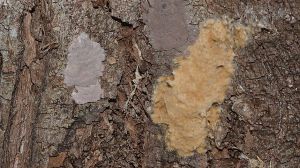
The SLF is an invasive planthopper native to Asia, first discovered in Southeastern Pennsylvania in 2014, and has quickly spread to neighboring states. SLFs are described as “hitchhikers,” as the egg masses can look like cakes of mud and are transported on trailers, RVs, semi-trucks, containers, trains, and other forms of shipping and transportation. Egg masses hatch in May/June and the adult SLFs are visible soon thereafter.
Subscribe Today For