Insect Control
Scientists have a shot at eradicating a deadly threat to vineyards, just as the pest’s resistance to insecticide has been growing.
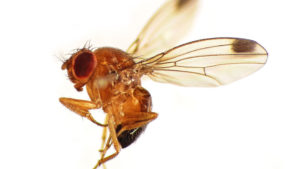
SWD and mites can’t resist the perfect growing conditions.
The traditional “one-and-done” spray approach may be a thing of the past for some producers.
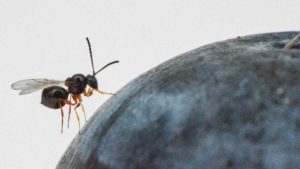
As Pacific Northwest researchers march toward long-term management, wild parasitoids have already arrived in Washington state.
An Extension agent offers advice on how to handle an infestation if your resistant crops breakdown.
California Fresh Fruit Association airs out concerns in workshop at annual conference.
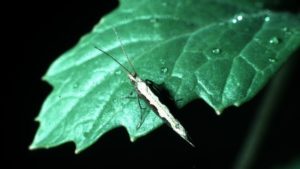
The diamondback moth is a pest of epic proportions to farmers worldwide. Controlling it has become more difficult with increasing incidence of pesticide resistance.

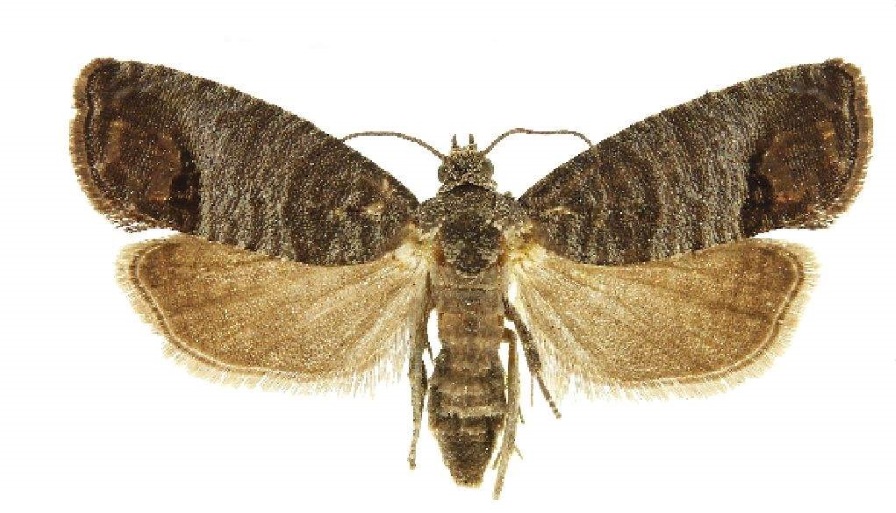
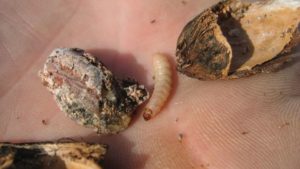
For every bin pile that produces codling moth, there is possibly a pome fruit grower that should have known better.
Pest reduction technique provides both economic and environmental benefits.
Michigan State researchers provide plenty to grow on in regard to vaunted foe in the field.
Growers can expect plenty this year from manufacturers of biological products.
Rothert Farm Inc., a conventional grower, uses only biocontrols to manage insects at its Florida location.
It’s no longer enough to prevent cosmetic damage. Thrips are now a known vector for impatiens necrotic spot virus.
Conventional pesticides have their limitations while falling prey to resistance.
Researchers find kaolin clay and limonene go well together in repelling prolific pest.
Webinar set to review some of the latest research findings regarding the infamous invasive pest.
Learn more about an electronic device developed by a team of scientists that can sense whitefly infestations.
Cherry growers, plagued by X-disease, can turn to insecticides and particle films to fight vectors.
Penn State Extension experts help clear up several falsehoods about the prolific pest.