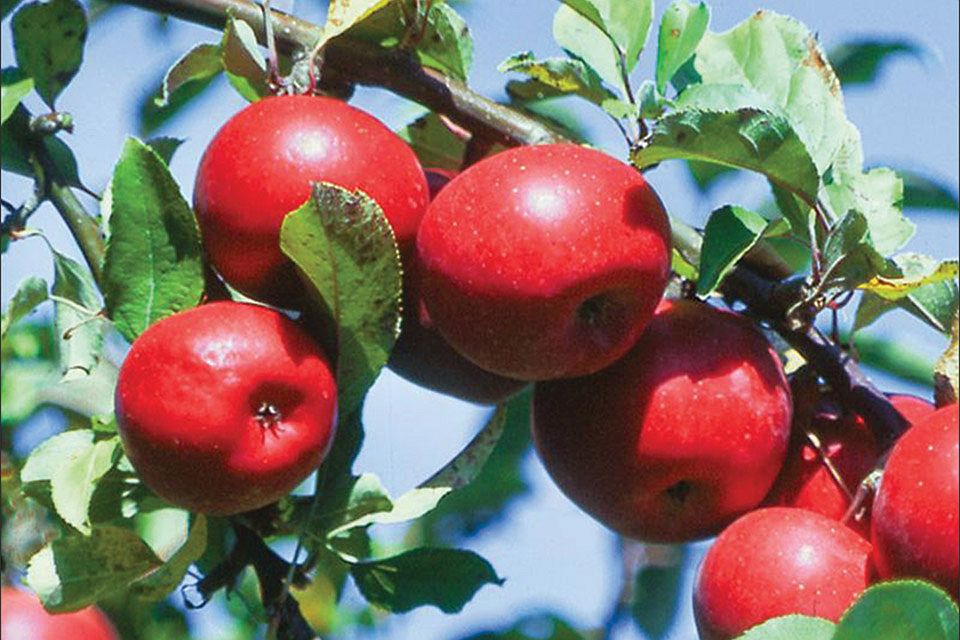
Michigan Grower Named to Lead USApple Association Posted by David Eddy|August 25, 2021 Chris Alpers, who already has experience testifying before Congress, takes the reins for 2021-2022. Read More
4 Fruit Varieties You Might Want To Add to Your Crop Portfolio By Growing Produce Staff|July 21, 2026
Video: Why Chasing High Prices Can Backfire on Vegetable Growers Posted by Growing Produce Staff|July 21, 2026
FDA Continues Focus on Lettuce in Cyclospora Outbreak Probe Posted by Growing Produce Staff|July 20, 2026
U.S. Apple Forecast Comes in at 243.8 Million Bushels By David Eddy|August 20, 2021 USApple also launches new in-depth Apple Outlook Report that pegs 2021-2022 production at just more than 11 billion pounds.
How Science Is Helping Us Produce Better Pome Fruit By Kenong Xu|August 10, 2021 Argonaute proteins prove to be the next generation in fighting bacterial disease.
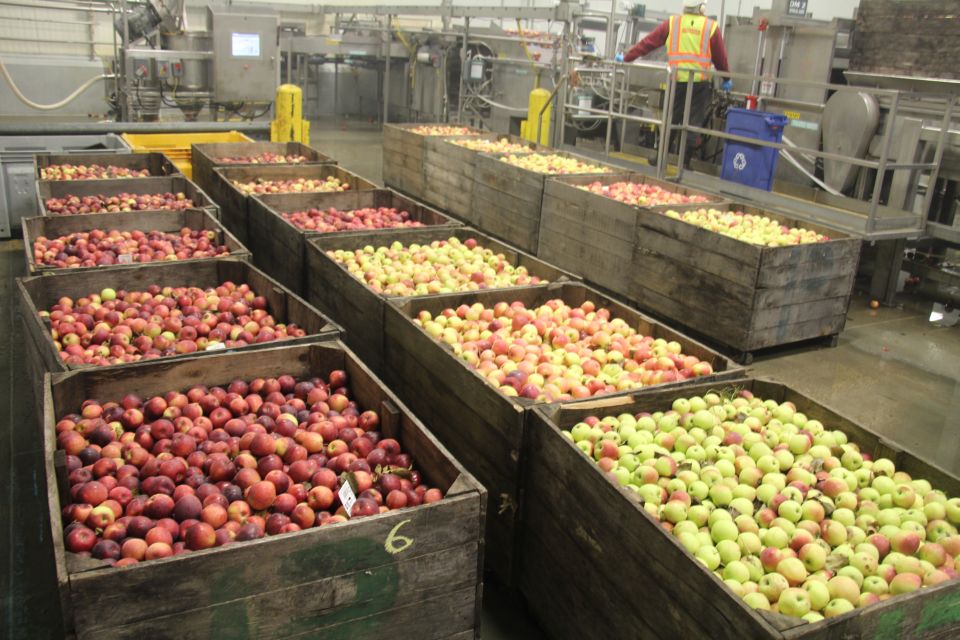
Washington Apple Crop Estimated To Be Up Slightly Posted by David Eddy|August 9, 2021 The Washington State Tree Fruit Association forecast for the 2021 fresh apple crop is out. See how it compares to last year and 2019.
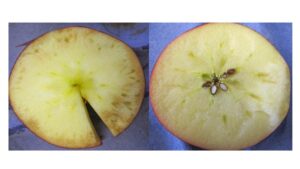
Pome Fruit Storage Disorders: The PGR Effect By Thomas Skernivitz|July 27, 2021 Despite their benefits, plant growth regulators should be used cautiously to enhance postharvest storability.
New Plant Growth Regulator Thins Stone Fruit and Apples Posted by Growing Produce Staff|July 2, 2021 Valent BioSciences announces EPA registration of Accede plant growth regulator for effective thinning of stone fruit and apples.
Take Your Pick! 2021 Apple Grower of the Year Nominations Yield Big Bounty By David Eddy|June 9, 2021 If the U.S. had a national fruit, it would be the apple. Check out the impressive list of potential candidates for this year’s industry honor.
How Tree Fruit Nurseries Are Grappling With Change By David Eddy|June 1, 2021 Annual national survey reveals the most difficult question remains: What to plant?
Organic Weed Control Strategies for Apple Growers By Thomas Skernivitz|June 1, 2021 Learn why tandem treatments involving herbicides fare best against weeds in organically grown orchards.
USApple Plans In-Person Outlook Conference Posted by David Eddy|May 20, 2021 Conference will include presentation of the Apple Grower of the Year award.
Grower Focus Starting To Sharpen On Precision Pruning Of Apples By Thomas Skernivitz|May 3, 2021 Reducing the number of flower buds to a predetermined number results in more vigorous buds, larger fruit size, and less bienniality.
Can Abscisic Acid Help Mitigate Bitter Pit in ‘Honeycrisp’ Apples? By Kathie Taylor|April 27, 2021 Studies at Michigan State University seek to find out.
2 Thumbs up for When ‘Honeycrisp’ Apples Goes Hollywood By Thomas Skernivitz|April 12, 2021 Cheers to rave reviews for the first-ever virtual meeting of the International Fruit Tree Association.
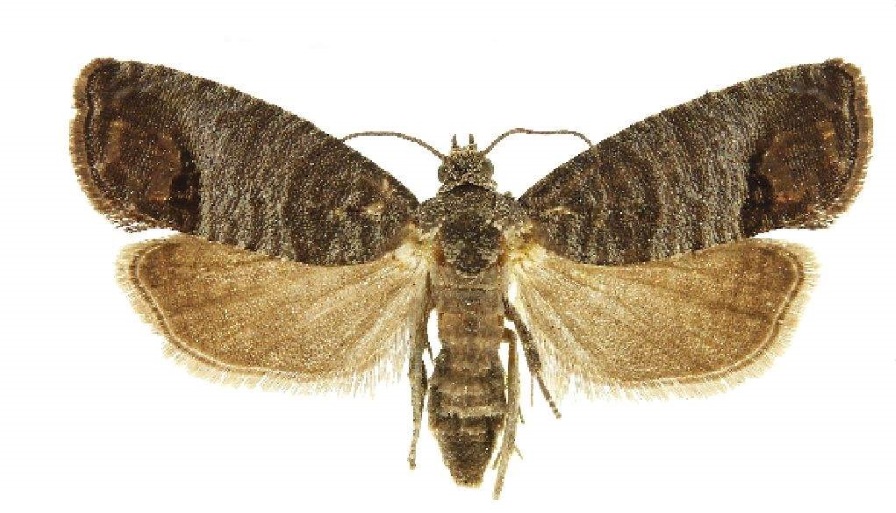
Codling Moth Control: Why Mating Is the Hardest Part By Thomas Skernivitz|April 6, 2021 There’s good news for apple growers in their battle against pest. Learn what sterile insect release tech has to do with it.
COVID-19 Disrupts Exports of Washington Apples Posted by David Eddy|March 10, 2021 Tens of thousands of boxes of apples that were destined for Asia and the Middle East are now stacking up in warehouses.
The Secret To Less Bitter Pit in ‘Honeycrisp’ Apples By Thomas Skernivitz|March 9, 2021 And because rootstocks vary in shoot length and other factors, some fare better than others at preventing the disorder in popular apple variety.
Virtual Cheers To a True Tree Fruit Champion By Thomas Skernivitz|March 8, 2021 Among his many accomplishments, another nod goes to Phil Schwallier who was somehow able to sum up his 40-plus-year career in just 4 minutes over Zoom.
New Light on the Fight Against Fire Blight By Thomas Skernivitz|February 16, 2021 Conventional treatment update details Kasumin light sensitivity, confirms Apogee/Actigard effectiveness.
5G Field Lab Lands in Washington Apple Orchard By Thomas Skernivitz|February 8, 2021 Economic development project provides growers with real-time data for food resiliency, supply chain logistics.
‘Honeycrisp’ Breeder Releases New Apple Posted by David Eddy|February 5, 2021 New University of Minnesota variety, notable for its disease resistance, is the product of a ‘Honeycrisp’ cross.