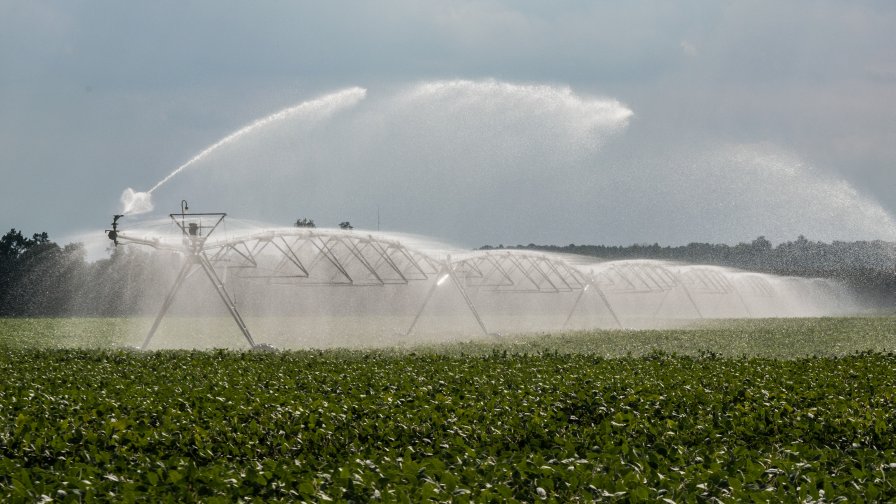
Water quality regulations in many regions of California now require farmers to report the amount of nitrogen fertilizer they apply to their fields and the nitrate concentration of their irrigation water.
In deciding about the size of the plot of land for your greenhouse, be sure you take into account whether you will be a wholesale or a retail business, or some combination of the two like many growers.
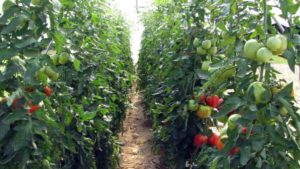
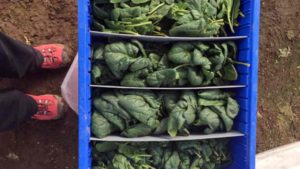
New Hampshire scientists conducted a two-year winter trial to determine the best spinach varieties and planting dates for production in unheated high-tunnels.
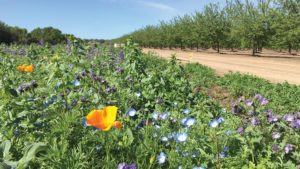
Most of the berry, almond, melon, pumpkin, and tree fruit growers surveyed are being careful about how they manage their farms to minimize pesticide impacts and improve bees’ habitats.
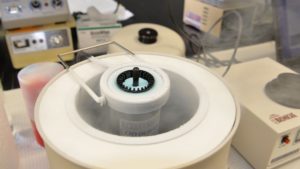
The Washington State University (WSU) bee program has worked with researchers from around the world to create more honeybee genetic repositories like the one at WSU.






![Save The Pollinators [Opinion]](https://s3.amazonaws.com/files.growingproduce.com/growingproduce/wp-content/uploads/2016/06/honeybees-300x169.jpg)