Farmers and researchers are using data and technology to improve yields and protect their bottom line.
Learn the latest data on distribution of insect predators, the role of ground cover, and how to attract natural enemies to your orchard.
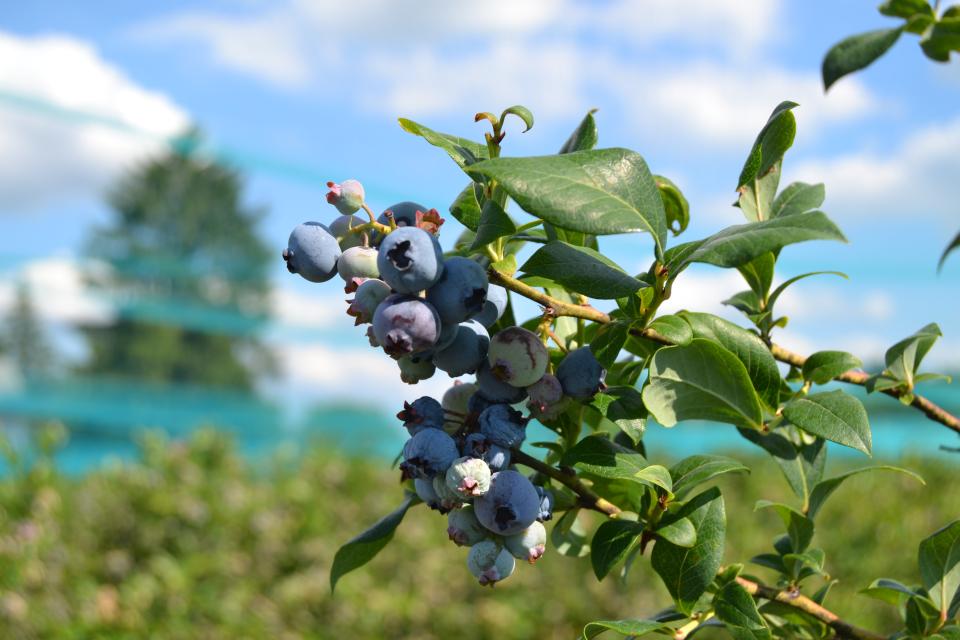
Chemical-proof pathogens require a new perspective from farmers fighting blueberry disease.
Fruit growers have always farmed with risk. But despite the pace and overlap of external pressures, the industry refuses to stand still.
Learn more about humic and fulvic acids, two nature-based products that should be inside every agronomist’s toolbox.
FRAC 3 triflumizole and flutriafol show in-field promise against Alternaria rot in pome fruit.
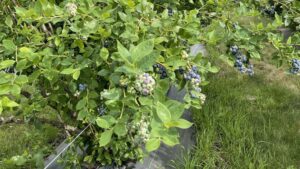
Blueberry trials show benefits of using pulsed irrigation. Learn more about this irrigation method.
Public berry breeders, facing reductions in their programs, need to be supported and compensated.
Rising almond prices have been met with even higher costs, pushing break-even timelines and price thresholds to levels that demand a sharper focus.
Six decades in the making, here is what drip irrigation means for your orchard’s water, yield, and risk.
Learn how to advance stress tolerance for plants through seaweed-based biostimulants.
A traditional IRA can be an excellent way for growers to save more toward retirement.
Grower operations like Miles Berry Farm well know, expectations can change in a hurry. Such has been the case this winter in the unusually frigid Southeast.
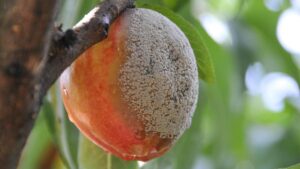
Southeastern peach growers weigh options to combat blossom blight and brown rot.
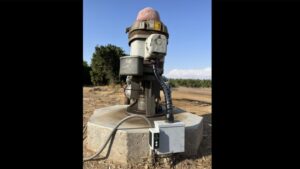
High copper prices create strong financial motivation while farms often have limited surveillance and weak connectivity, resulting in natural blind spots.