Oregon State University researchers offer guidance to control pests and disease while protecting vital bee populations.
Hive quality over quantity is the future of pollination.
Researchers have developed an image-based AI diagnostic app to identify and differentiate bacterial and viral infections in honey bee broods.
Four major North American beekeeping organizations partner to release the first-ever North American Bee Strategy. Learn more about this coordinated effort.

Alarmingly high levels of viral infections and mite resistance among latest USDA research findings on 2025 honey bee casualties.
Bee populations around the world are facing serious challenges. But there are concerted actions that can offer support for these essential insects.
Findings from nationwide survey of beekeepers include an average honey bee colony loss of 62% between June 2024 and February 2025.
Colony Collapse Disorder never really went away; reports of widespread honey bee colony losses are increasing.
Longer, warmer autumns mean more flying, raising chance of colony collapse in the spring.
Stormy weather in California, coupled with major hurricane impacts in Florida, could mean a not-so-sweet year for important pollinators.
Members of the IR-4 Project say changes could negatively impact availability of products that help keep honey bee colonies healthy.
Learn more about what was discovered regarding the metabolic pathway of honey bees.
Reports indicate nearly 15% of the nation’s bees were put in peril by the monster storm.
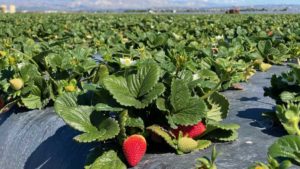
Researchers find that clothianidin’s negative affects on wild bees include impairing the bees’ ability to pollinate strawberry flowers.
Learn how researchers have harnessed the power of artificial intelligence to help protect bee health.
Learn more about a new study that shows the shape of flowers has the biggest effect on how parasites are transmitted to bees.
Studies show a line of bees developed by USDA-ARS is more than twice as likely to make it through the cold months than standard honey bees.
Researchers and beekeepers are getting a better understanding how genetic traits, characteristics, and even color impact behavior in colonies.
It’s no wonder, as they improve their memory, boosting their learning ability.