New videos, webinars available during week-long observance.
Bee Informed Partnership says preliminary analysis of results show second-lowest loss rate recorded in last seven years.
National Pollinator Week webinar showcases research to improve honeybee colony health by 2020.
As a pesticide applicator, it is your duty to reduce risks for pollinators.
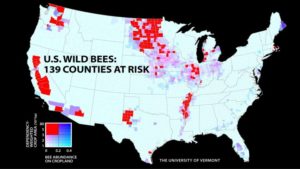
Some crops most dependent on pollinators, including pumpkins, watermelons, pears, peaches, plums, apples and blueberries, appeared to have the strongest pollination mismatch.
A British company developed Bee Gym, distributed by Vita Ltd.
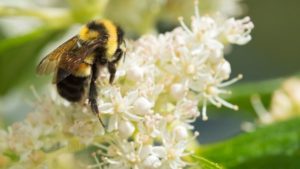
Rusty patched bumble bee receives protection from activities that could cause it to go extinct.
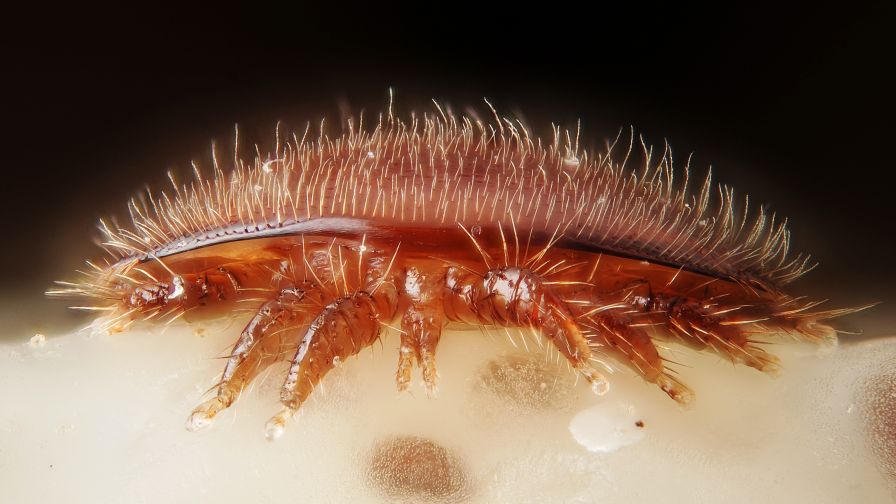
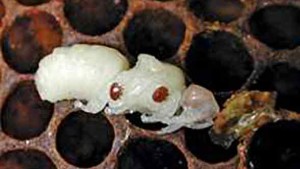
Purdue researchers see a sister species of varroa mite developing ability to parasitize honeybees.
A recent study reports that bees given fresh pollen or fresh supplements fared better than bees given pollen or supplements that had first been aged for 21 days.

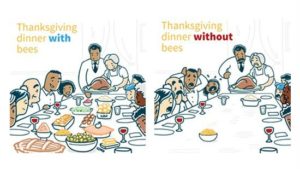
Campaign focuses on role honeybees and beekeepers have pollinating the foods Americans eat.
Placing priority on bee care best practices will ensure sweet success for your crop.
Washington State University researchers reveal the controversial pesticides aren’t dangerous for bees in the real world.
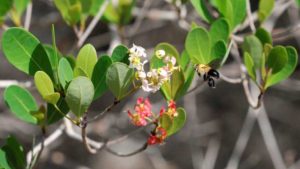
Analysis of record-breaking 2010 cold spell yields hot leads about chilling effect on tropical bees in South Florida.
Ensuring a healthy environment for bees will lead to better pollination. Here are some tips to help bees thrive in the orchard.
Agency gives recommendations on products to protect hives against parasites.
Researchers are developing long-term storage techniques for honeybees, including creating a way to revive frozen embryos.
Growers, beekeepers asked to record cost for pollination services, production, to create baseline as part of larger strategy to promote bee health.
Researchers say wild bee supply dropping while there is an increase in demand for pollinators.
Potassium Salts of Hops Beta Acids (K-HBAs), is intended to fit into a rotation program to battle resistance.