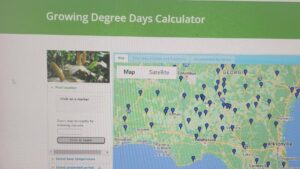
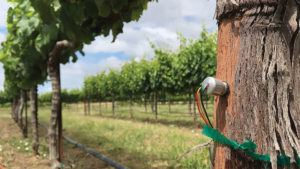
University of Florida web-based system designed to track weather patterns affecting plants.
American Fruit Grower Editor David Eddy says successful growers will not only accept, but eagerly welcome, what’s coming.
NOAA analysis confirms what was expected. Not only was 2023 the warmest in 174 years of recordkeeping, it did so by a record-setting margin.
$5 million grant from the California Department of Food and Agriculture to encourage more climate-smart farming practices in 11 counties.
Scientists predict it’s nearly a sure thing that a new bar will be raised for average global temperatures.
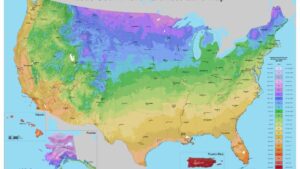
After more than a decade, USDA has updated its Plant Hardiness Zone Map tool. And there are some notable changes.
The official end of Atlantic hurricane season is Nov. 30. However, meteorology experts are saying different this year.
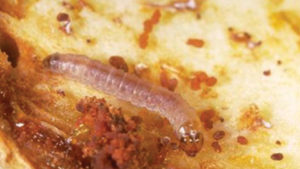
California growers beware. Newly published study expects three major pests — codling moth, peach twig borer, and Oriental fruit moth — to rise up.
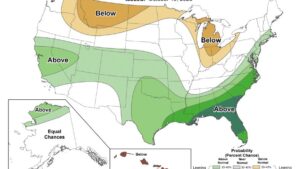
Watch out. Another winter outlook has been released. This time, NOAA has thrown its hat into the ring with El Niño at the center. Chances for havoc are up.
NOAA scientists say July 2023 ranks as the hottest month since it’s been keeping record — 174 years.
Here are the most prominent technologies making strides in agriculture and saving farms by protecting harvest production and profit margins.
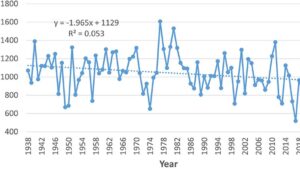
Numbers have been trending downward in mid-Georgia since 1938.
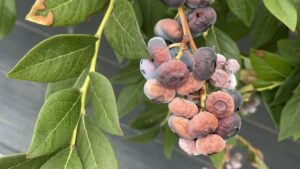
Michigan’s blueberry industry has been increasingly affected by climate change with spring heatwaves and long, dry periods causing potential yield losses.

First of a series of learning opportunities launches to address potentially massive impact on the state’s specialty crops.
Many in the PNW are watching water closely amid a rapidly changing environment.
A $4.9 million grant from the USDA backs research on crop production for conservation and carbon sequestration.
Purdue University is among the members of AI-Climate, which aims to leverage artificial intelligence to help absorb and store carbon.
Our industry contacts from around the country are keeping an eye on the weather and its current impacts on fruit and vegetable production.
Researchers have developed a yellow and a red variety that are heat-tolerant, blight-tolerant, low-maintenance, easy to harvest, and more.