Persistent drought conditions bring flood of extra challenges, including more saltwater intrusion, for producers in Louisiana and beyond.
Extension field reports indicate harsh weather conditions have caused pumpkin production yields in Texas this year to be down as much as 40%.
The lack of water and other factors mean lower yields, but long-term outlook remains bright for ‘crop of choice.’
As the Golden State browns early this year amid reports of unheard of reservoir levels, a San Joaquin Valley event attracts hundreds calling for action.
State regulators warn growers that they soon must stop pulling irrigation water from major rivers – even earlier than last year.
The 2020 hurricane season is lurking as parts of the state continue to be parched.
Congress recently passed the Further Consolidated Appropriations Act. Find out what it means for farmers in Texas left high and dry the last couple seasons.
Despite above-average rainfall for multiple areas in Florida during November, the dry season is starting to dig in.
Less water creates conflicts. The growers who can demonstrate they can conserve water and who build political relationships will be the most likely to succeed.
Of course nuts need water — but a new research report says: Almond growers aren’t water wasters.
Growers say they suffered more than 50% crop losses in Western New York.
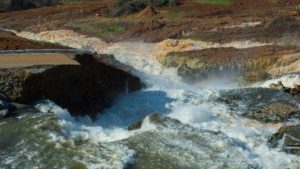
Nearly 200,000 people evacuated below nation’s tallest dam; even growers have had enough for now.
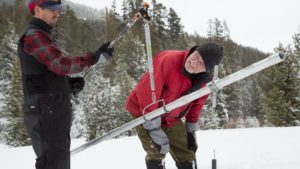
The January 3 measurement was disheartening, but a big, fat blanket of snow fell during the following week, and the state’s biggest reservoirs have levels well above average.

Senate overwhelmingly approves bill authorizing water projects across the U.S.
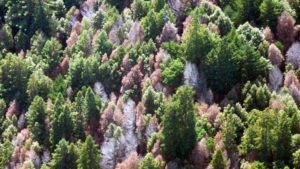
In 2016 alone, 62 million trees have died from drought and several other factors.
Assistance is available for growers who experienced a damaging hard freeze in the spring and extreme drought in the summer.
Crying foul, the Almond Board of California says criticism of industry based on highly questionable data.
Hydrologist says this year’s conditions are bad but are part of a typical water cycle.
More counties have been added to the original disaster declaration, and more growers are eligible for funding assistance.