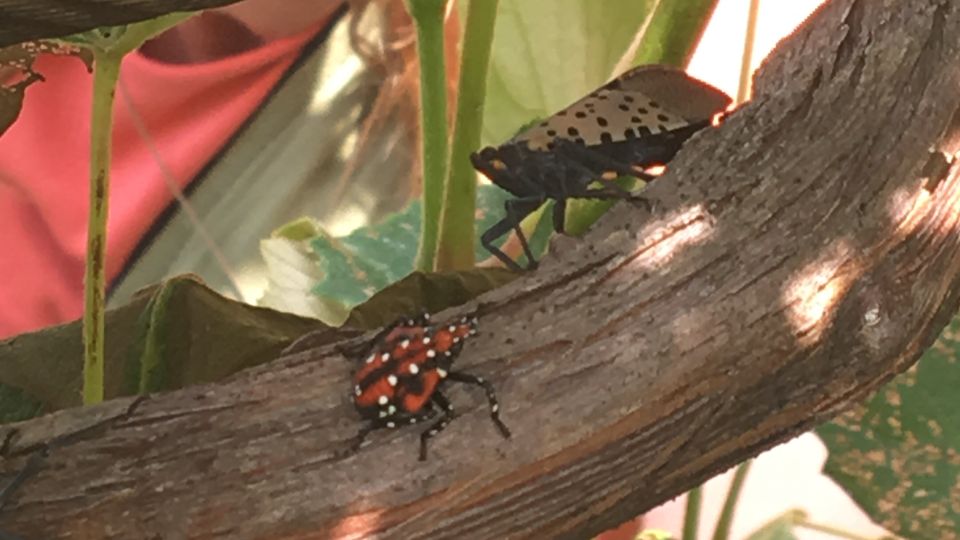
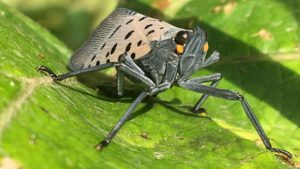
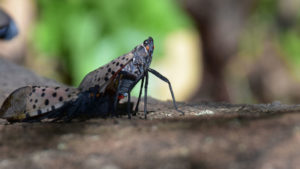
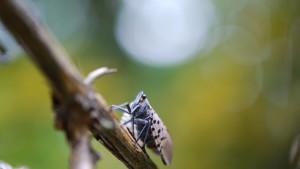
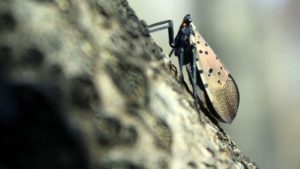
Spotted Lanternfly on the Move in New Jersey Posted by Christina Herrick|July 31, 2018 Quarantine expands as feared fruit pest is found in county not adjacent to first find in state.Read More
Figuring the Real Value of Organic Production for Your Vegetable Farm By Carol Miller|October 21, 2026
Latest Growing Produce Podcast: Are Robots Ready for Your Farm? Posted by Paul Rusnak|October 20, 2026
New Survey: High Diesel Costs Forcing California Farmers to Make Tough Cuts By California Farm Bureau|October 19, 2026
Spotted Lanternfly Now a Threat to New Jersey Fruit Crops Posted by Christina Herrick|July 18, 2018 While the find wasn’t unexpected, the pest’s early emergence in Virginia has surprised local entomologists.
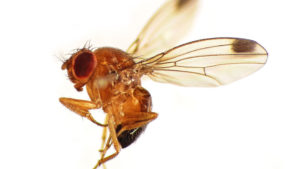
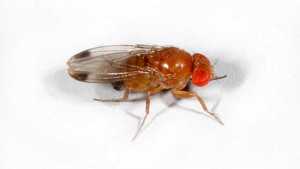
Michigan Fruit Growers on High Alert for Spotted Wing Drosophila Posted by Christina Herrick|July 17, 2018 Researchers confirm trap captures of the notorious pest are six times higher this year compared to previous seasons.
Insect Invaders: Perils of Global Trade By David Eddy|July 1, 2018 With cargo being shipped daily all over the world, it’s no wonder there are invasive pests landing in the U.S. — including these tiny but formidable foes.
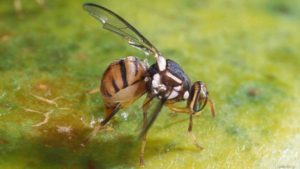
Oriental Fruit Fly Threat Surfaces in South Florida Posted by Paul Rusnak|June 5, 2018 Multiple findings of exotic pest push local agriculture officials to launch eradication efforts.
Pest Alert Triggered in Florida After Rare Fruit Fly Find Posted by Paul Rusnak|May 17, 2018 This is only the second time the notorious peach fruit fly species has been spotted in the Sunshine State.
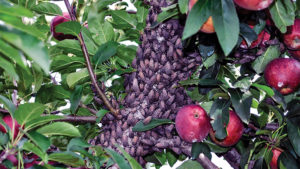
New Finds of Spotted Lanternfly on Apple By Christina Herrick|May 1, 2018 Spotted lanternfly has been found in commercial apple orchards.
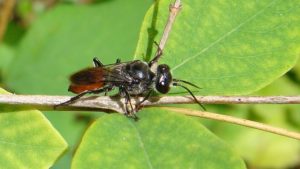
New Brown Marmorated Stink Bug Enemy Found in PNW Garden Posted by Christina Herrick|April 30, 2018 Soil-nesting wasp could be natural enemy of brown marmorated stink bug.
Public Comments Sought in Invasive Species Plan Posted by Christina Herrick|April 24, 2018 Draft of New York’s plan intends to minimize introduction, establishment, and spread of species throughout the state.
Superweed Palmer Amaranth is on the Move: Here’s What You Need to Know By Erica J. Kistner|April 4, 2018 These best practices can help you identify and manage this pesky weed in your field.
School Project Nets Sweet Solution to Major Berry Pest By Karli Petrovic|March 31, 2018 In their search for effective spotted wing drosophila control, researchers discovered a common sugar substitute is toxic to fruit flies.
$70M Allocated by USDA for Invasive Pests, Clean Plants Posted by Christina Herrick|March 27, 2018 Funding targeted for spotted lanternfly research, certifying planting material.
Emergency Funding Approved for Spotted Lanternfly Posted by Christina Herrick|February 7, 2018 USDA announced $17.5 million in emergency funding has been allocated to stop the spread of the spotted lanternfly (SLF) […]
Berry Grower Says She’s Beating Spotted Wing Drosophila With Netting By Christina Herrick|February 1, 2018 Berry grower sees promise with exclusion netting trial.
Farmers on Alert as Spotted Lanternfly found in Third State Posted by Christina Herrick|November 30, 2017 While insect believed to have arrived on interstate shipment, growers are encouraged to scout for eggs, signs of populations within New York.
Spotted Lanternfly Discovered in Delaware Posted by Christina Herrick|November 28, 2017 A large survey to be conducted this winter to scout for populations possibly established or trying to establish in the state.
Vole Presence High in Nut Orchards Thanks to Wet Winter By Wesley K. Asai|October 29, 2017 Economic losses, reduced production, and increased labor costs all are a result of dealing with high pest populations in orchards.
Spotted Wing Drosophila is an Old Pest, but New Threat to Peaches By Christina Herrick|October 27, 2017 Growers in the East and Midwest have noticed the invasive pest feeding on uncompromised fruit.
Washington State University Creates BMSB Management Resource Page Posted by Christina Herrick|September 19, 2017 As populations grow in the state, university offers growers pest management advice.
Spotted Lanternfly Population Large This Year Posted by Christina Herrick|September 8, 2017 Thanks to mild winter, numbers for the pest are growing, especially in southeast Pennsylvania.