Learn more about the essential evolution process that keeps this stone fruit growing.
Six differing rates of treatment all reduce initial and final fruit sets.
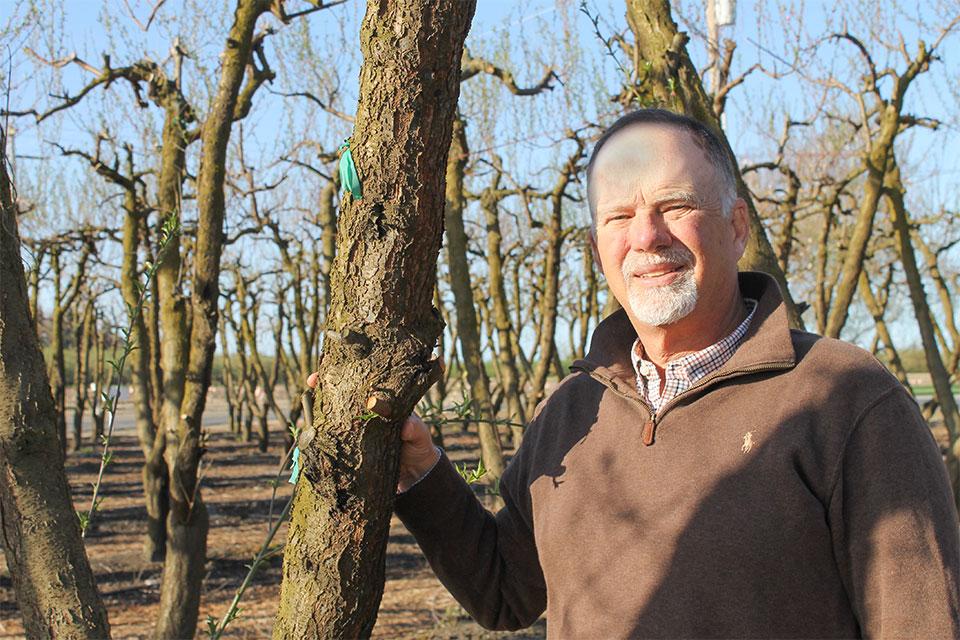
Bob Dickey “just loved farming peaches.”
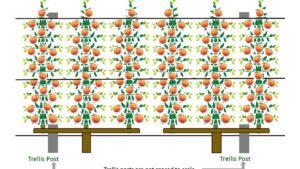
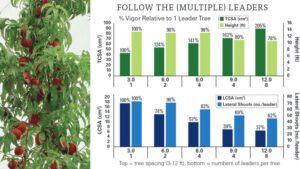
High-density, labor-efficient production systems are the future for growers.
Producers who have made the transition to high density have something in common they don’t share with fellow growers — and it isn’t horticultural.
California’s HMC Farms has discovered some major benefits, such as attracting increasingly scarce labor.
Profitable peach production in the Buckeye State takes dedication, faith, stubbornness, and lots of luck.
Five years after their start, the NC140 rootstock trials are providing valuable data while prompting the development of appropriate training techniques.
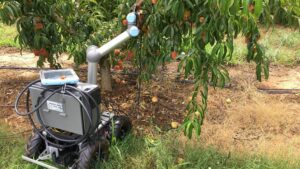
Labor is a big problem, and with no viable chemical thinners available to peach growers, robotics may provide a solution.
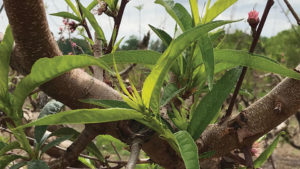
Plant growth regulator can stimulate early budbreak when applied to peaches prior to chilling satisfaction or with inadequate chilling.
Michigan, the Midwest fruit production powerhouse that’s home to the ‘Motor City,’ may be throttling down on some fronts but is revved about what’s ahead.

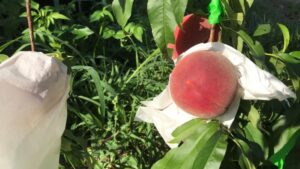
To help keep pests and diseases at bay, organic growers can place bags around individual fruit, researchers say.
What you need to know to when scouting for this insect.
Some changes are likely permanent, such as some consumers’ preference for buying online.
Amid the rising tide of climate change, see what selections keep their head above the rest.
The new expansion increases the Fresno, CA-based company’s total to almost 15,000 acres, equating to one million additional stone fruit trees.
Crop protection reliant on early season control.
Genes in peach’s wild relatives and local domesticated varieties could improve the resistance of domesticated peach to climate change.
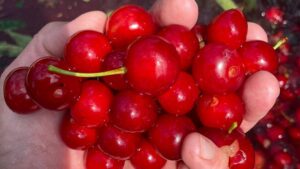
Survey responses stress the importance to do the ripe thing.