The results of American Vegetable Grower magazine’s annual State of the Vegetable Industry Survey are in, and we’ve found some intriguing developments!
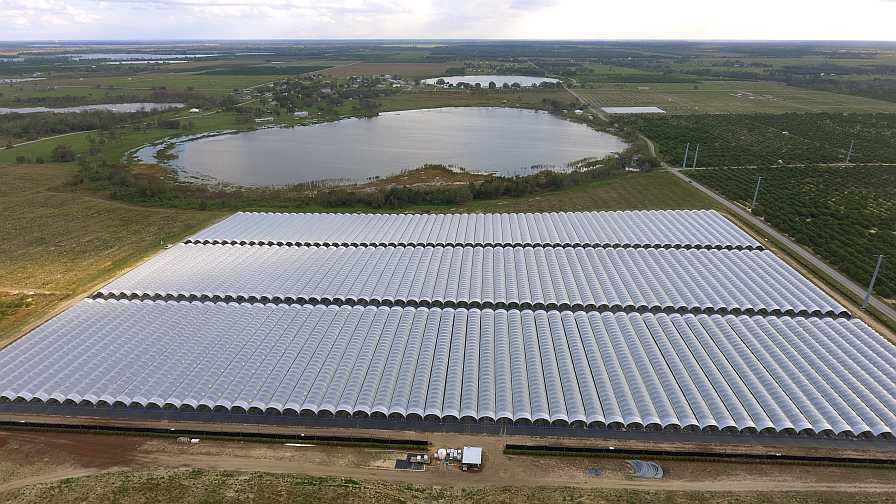
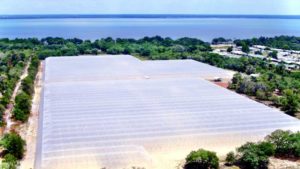
Research shows the use of screenhouses may help prevent devastating disease from squeezing the life out of grapefruit, among other selections.
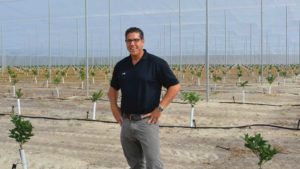
Fresh varieties with consumer appeal are top priority for 2017 Citrus Achievement Award winner Ed Pines.
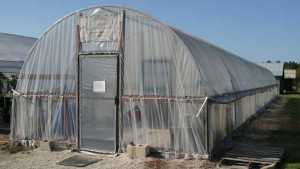
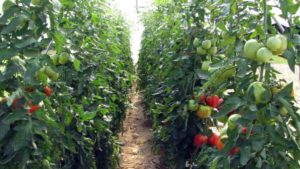
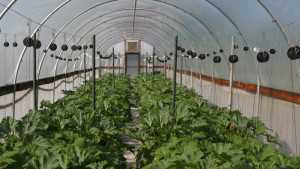
High tunnels alone are not enough to control pest populations, the study shows. To control pest levels, growers need to take other steps that allow ventilation while screening crops, and supporting natural predators.
Growing citrus indoors can help protect it from the citrus psyllid and the deadly disease it vectors.
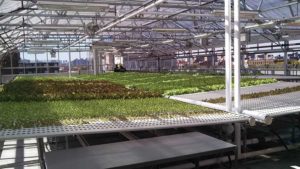
From fully automated deepwater culture to vertical growing systems, growers and manufacturers weigh in on tools for producing top-quality vegetables and greens.
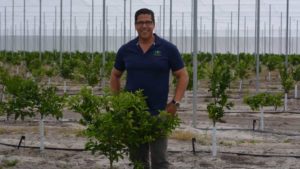
2017 Florida Grower Citrus Achievement Award winner Ed Pines says producing crops under protective screen is a way to farm more and stress less.
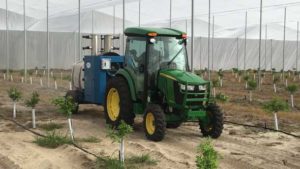
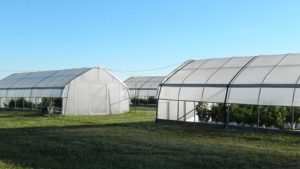
Producing fruit under protective screen is developing into a viable option for sustaining the Sunshine State’s signature crop.
2017 Citrus Achievement Award winner Ed Pines provides insider information on unique production method.
Team at Penn State University using low and high tunnels and plastic coverings to extend raspberry and strawberry seasons.
Cheers to Ed Pines for putting the positive back in citrus.
Production practice offers benefits beyond excluding the psyllid and HLB.
TunnelBerries project offers resources for growers, Extension agents, and those interested in berry production under cover.
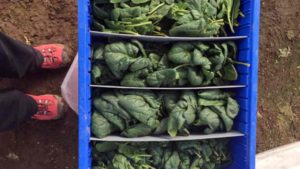
New Hampshire scientists conducted a two-year winter trial to determine the best spinach varieties and planting dates for production in unheated high-tunnels.

Researchers in New Hampshire receive grant to expand research for tomato nutrient and pest management in high tunnels.
The book is designed to help growers who are beginning high tunnel production.
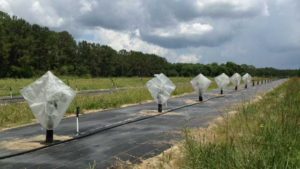
Unique protection for young citrus trees could help cut pest-control costs up to 50% in the first two years.
Undercover production plans and possibilities starting to take shape.
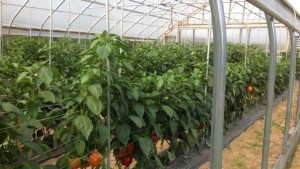
Colored bell peppers have the potential to be a profitable alternative crop.