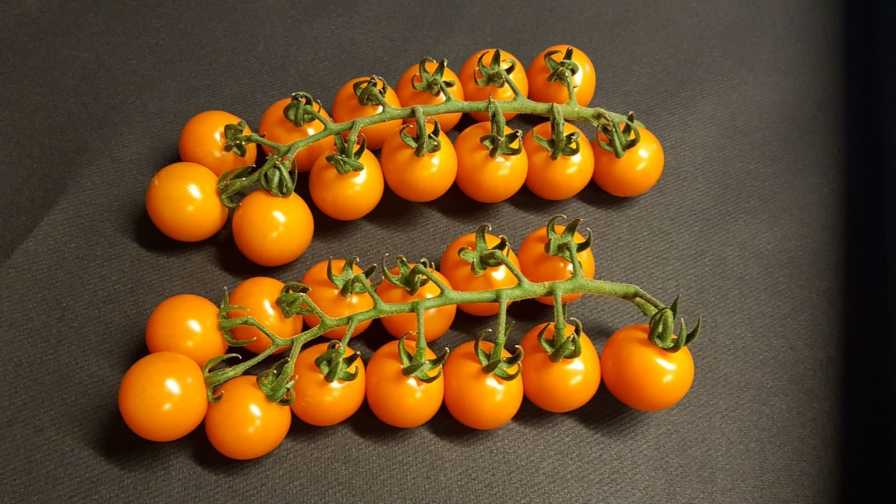
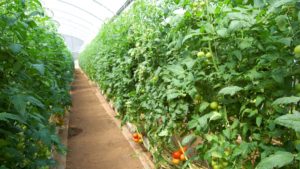
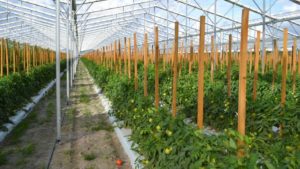
Tomatoes used to be king of the greenhouse and high tunnel. Other selections are now sharing the spotlight.
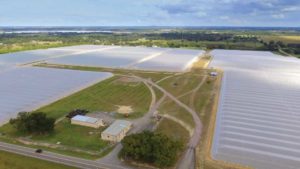
The 64-acre (2.78 million square-foot-plus) single greenhouse will be the largest in the U.S. Find out who’s behind the project.
Protected ag structures can shield peaches and nectarines from harmful environmental conditions. Scientists are adding up what that means for profitability.
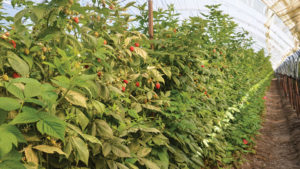
There are plenty of benefits to covered production, including season extension, minimizing fruit rot, and boosting fruit quality.
Central Florida-based growing operation Misty Organics is countering competition by filling a niche demand.
Donation given to University of California, Riverside will fund 2.8-acre screened structure designed to help safeguard trees against greening threat.
The sky’s the limit for modern agriculture now that humankind has successfully sprouted plants on the dark side of the moon, right?
Industry survey results reveal interesting insights on the growing integration of biological controls into pest management programs.
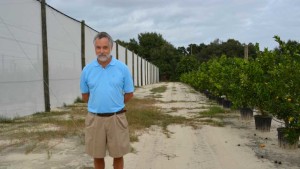
Dundee Citrus Growers Association develops largest citrus under protective screen planting in the U.S.
USDA grant to help fuel specialized studies of citrus under protective screen.
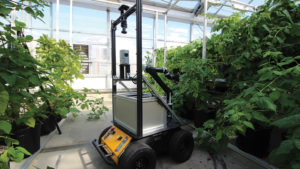
West Virginia University research project has developed a prototype “BrambleBee” to develop a more efficient process to pollinating brambles under cover.
Keeping tabs on the latest on crop insurance updates will help you and your operation stay ahead of the game.
Learn the basics of hydroponics, and you’ll avoid costly errors.
Fast food giant makes major commitment to fresh produce grown exclusively indoors.
Dr. Richard Beeson’s contributions have positively impacted the industry that sustains the state’s signature crop.
Sixty percent of vegetable growers use protected agriculture. Here are a few more stats you’ll want to know.
Those who’ve only grown in fields face the unknown when it comes to growing under cover. Luckily, there are excellent programs around the country designed for growers.
One of the largest open field farmers in North America is expanding its portfolio with acquisition of longtime greenhouse vegetable operator from Canada.

From access to winter markets to a different pest regimen, here are six things you need to weigh when making your decision.