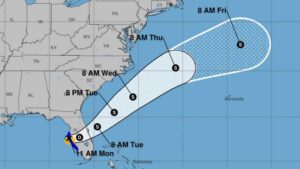
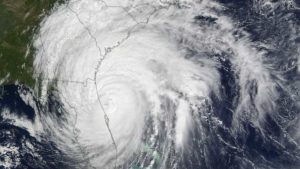
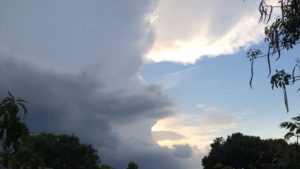
Forecasters predict above-normal storm activity, depending on El Niño’s naughtiness.
Through drought, smoke and brush fires, it’s plain to see you farmers have been doing your part to conserve and preserve one of our most precious resources.

Water Shortage Warning Order expanded to all counties within St. Johns River Water Management District.
ZedX’s agronomic models help farmers make better production decisions.
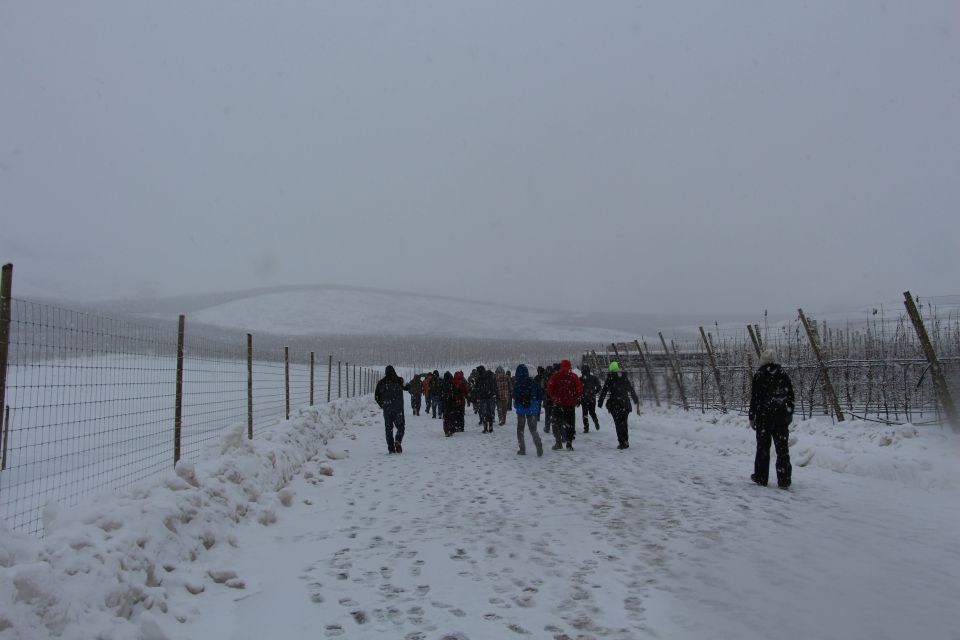
Growers say they suffered more than 50% crop losses in Western New York.
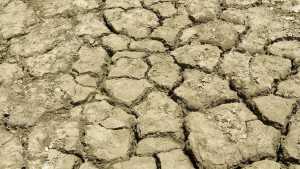
Conservation practices preached throughout the state as exceptionally dry pattern persists.
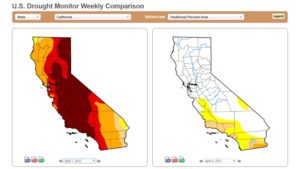
Find out which previous orders are rescinded as a result of the drought being declared over — and which ones are not.
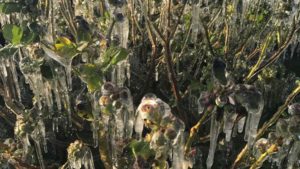
Thanks to pruning cuts and a diverse mix of cultivars, the majority of the crop survived a series of March freezes.
Possible return of El Niño climate phase could sap strength out of any stormy scenarios.
March reading shows 164% of historical average.
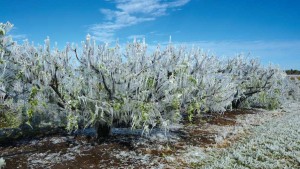
Freeze protection tactics prove fruitful as local producers look to gain from Georgia’s loss.
Peaches, blueberries, and strawberries among crops damaged.
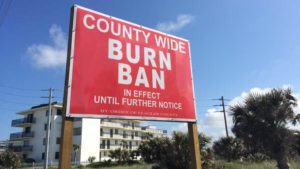
Water conservation efforts called for as the dry season rolls on.
Nearly 200,000 people evacuated below nation’s tallest dam; even growers have had enough for now.
Scientists aiming to make difficult climate-based production decisions easier for growers.
For the third time in three years, the heat gets turned up on surface temperature statistics.
Near all-time records in average temperature and costly climate-related disasters make a strong case for dubious distinction.
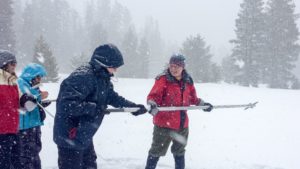
The January 3 measurement was disheartening, but a big, fat blanket of snow fell during the following week, and the state’s biggest reservoirs have levels well above average.
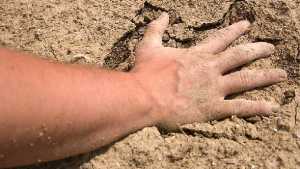
Region has not experienced any significant rainfall since Hurricane Matthew.