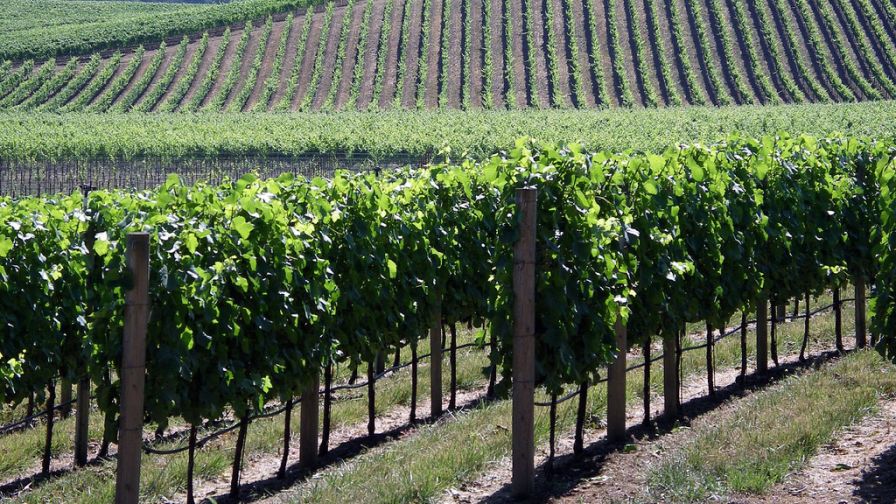
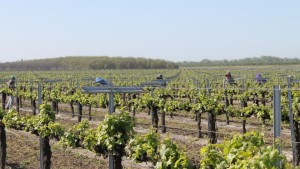
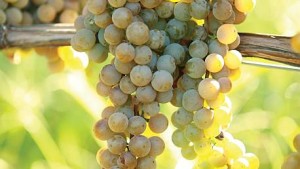
Researchers are evaluating a wide range of alternative winegrape varieties for California’s San Joaquin Valley.
Methods to reduce labor dependency important for the future of grape production.
Vines continue to be pulled from the state’s interior, while planting is expected to increase along coast and in Delta area.
California Green Medal recognizes wineries and vineyards with a focus on sustainability.
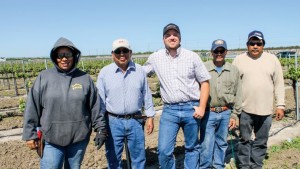
It’s no coincidence that more than half the full-time vineyard workers at McManis Family Vineyards have been with the company for 20-plus years.
The Napa River, which has helped create soil perfect for grape-growing in the Napa Valley, is in danger. […]
The use of evaporative cooling in vineyards during hot weather isn’t a new concept, but researchers in Australia […]
There’s a burgeoning market for cold-weather grapes. The Northern Grapes Project, funded in 2011 by a USDA National […]
Washington State University researchers debunk common myth.
The Washington Association of Wine Grape Growers 2016 Annual Meeting, Convention, and Trade Show will be heldon February 9-11, 2016, held at the Three Rivers Convention Center in Kennewick, WA.

New research helps growers determine how close to harvest they can safely spray elemental sulfur.
Rootstocks have benefits, but research shows there’s no silver bullet.
The impact is minimal this year, but the future is uncertain if the drought continues.
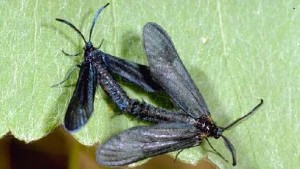
Western grapeleaf skeletonizer could mean nasty problems for Napa County growers.
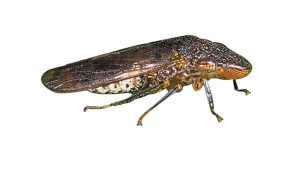
More than 80% of growers vote to continue Pierce’s disease/glassy-winged sharpshooter referendum.
Breakthrough would mean significant savings on pesticide and fungicide sprays.
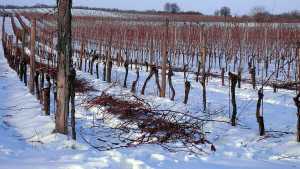
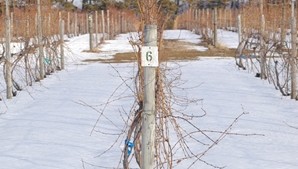
After two consecutive brutal winters, growers in the Northeast and Midwest are working to salvage vines.
Temperatures dropped as low as -30° F in some areas, which has growers preparing for another rebuilding year.
The PD/GWSS assessment is one of the primary sources of funding for research on Pierce’s Disease and the glassy-winged sharpshooter.