Vegetables
It may take a few years, but growers who have bought into precision ag technologies are seeing ROI.
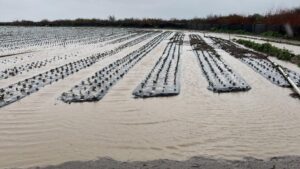
Cooler-than-normal temperatures this spring have led to multiple problems for producers.
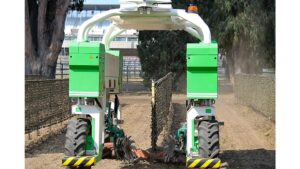
More 2,000 participants expected at the Salinas Sports Complex Sept. 19-21 for an up-close look at ag robotic solutions in action.
We asked experts across all elements of biological crop protection to weigh in on what it takes for growers to produce a healthy, profitable crop.
Drought conditions hurt production, even in traditionally wet areas.
Researchers, suppliers, and advisors provide their thoughts on the vegetable trade. See what they have to say.
By encouraging remote learning, knowledge sharing, and broadening the reach of smart farming, the industry is growing a new crop of leaders.
Website managed by inter-governmental non-profit group CABI packs a trove of biocontrol education, research, and treatment recommendations, all for free.
When asked about the most problematic pest problems this past season, wildlife and diseases actually edge out insects.
High-antioxidant purple tomato from Norfolk Plant Sciences clears huge regulatory hurdle after FDA completes review.
In a competitive market, benefits can help you hire more workers. Are you offering enough?
Why spraying for this plant pathogen doesn’t help.
Researchers confirm the heat wave during June in Texas produced eight “all-time” temperature and heat index records.
Choosing the right cultivar for this root vegetable can make a big difference in production efficiency and yield.
Analysis of data shows growers are diversifying their crop mix more than ever. Find out which crops are tops and what else we learned.
How labor challenges are shaping the future of vegetable farming.
Winners will get exclusive access to produce industry leaders and funding to advance innovative solutions for the sector.
Smoke and ash from wildfires are harmful to your health. Here’s what we know about how they affect your crops.
New facility in Illinois features 32,000 feet for laboratories and more than 18,000 feet of seed processing space, along with research fields.