Citrus
Vonnie Estes, the new VP of Technology for the Produce Marketing Association, provides insight on what the gene-editing tool means to farming and beyond.
From GMOs to glyphosate, more farmers are finding themselves in the middle of a litigation melee.
BASF is rolling out the first two of several new insecticides BASF will introduce over the next few of […]
Agriculture industry stakeholders are diving in to implement a state-specific nutrient stewardship certification program.
HLB-fighting tool would fit on traditional farm equipment like tractors or ATVs.
Mixing up control options proving effective to gain an upper hand on the HLB vector.
Instill systemic copper spray provides inside-out plant protection, more residual action.
UF/IFAS has a new dean of research. And despite having lots of ground to cover, his track record shows he’s ready for the long run.
Legislation formally defines specialty segment of products, opening up options for growers and opportunities for suppliers.
The lucky operations will share in $1.2 million to help improve resource conservation and prevent nutrient runoff.
For local producers interested in trialing the latest selections in their grove, opportunity may come knocking this spring.
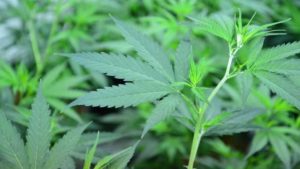
Nikki Fried appoints director to help drive Department initiatives and opportunities with industrial hemp and medical marijuana.
With groves bouncing back from Hurricane Irma, growers are ready to move forward and plan for the future.
Seedless ‘Marathon’ mandarin said to sport some serious hang time.
In his final column for American Vegetable Grower, John Whitney asks: Want your farm to support future generations? Here are some ideas and resources to help you reach your goal.

New market potential now on the radar thanks to fresh funding from the government.
Researchers and producers are looking at implementing cover crops, compost, and biostimulants to improve soil health in Florida’s signature crop.
Some areas of the region are running well below average for precipitation — with the height of dry season still on its way.
Nearly 700 infected trees were detected in 2018, more than double the number found in 2017, though none – yet – in commercial groves.