Citrus
Pesticide data program summary released after testing 10,000 samples from fresh produce, vegetables, and processed foods.
Class of 2017 recognition the centerpiece of organization’s 55th annual Citrus Celebration Luncheon.
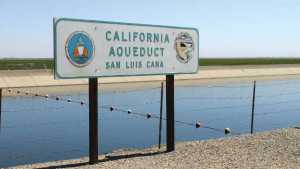
Senate overwhelmingly approves bill authorizing water projects across the U.S.
Despite crop protection challenges, all-orange production projection from USDA remains unchanged.
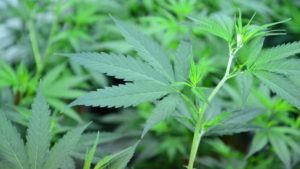
Given the official go-ahead to dispense alternative medicine, Knox Medical unveils its state-of-the-art lab.
Lofty projections include a compound annual growth rate of 140%.
A group effort is necessary to forge ahead.
Approval finally cleared for antimicrobial applications, and now growers wait and hope to see positive results.
Region has not experienced any significant rainfall since Hurricane Matthew.
Growers are betting unique crop protection tools will bridge the gap to bigger HLB solutions.
App includes foliar application calculators and ability to save application data.
HLB forces an emphasis on grassroots efforts to paint a positive picture.
Fighting pyllids, better weather, and new varieties will hopefully bring improved yields.
Saving the California citrus industry from the incurable disease Huanglongbing will take a creative multi-pronged effort.
Peer-reviewed evaluation of more than 100 studies finds uses of imidacloprid are unlikely to harm aquatic invertebrate communities, or the birds and fish that rely on them.
Growers, nurseries, and industry stakeholders invited to review and discuss pros and cons of rapid release program.
The Sunshine State’s sugar industry employs more than 14,000 people and has an annual income of more than $800 million with a total direct and indirect economic impact of greater than $3 billion.
Agreement to expand Arysta’s portfolio with new biocontrol releases.
A recent study reports that bees given fresh pollen or fresh supplements fared better than bees given pollen or supplements that had first been aged for 21 days.