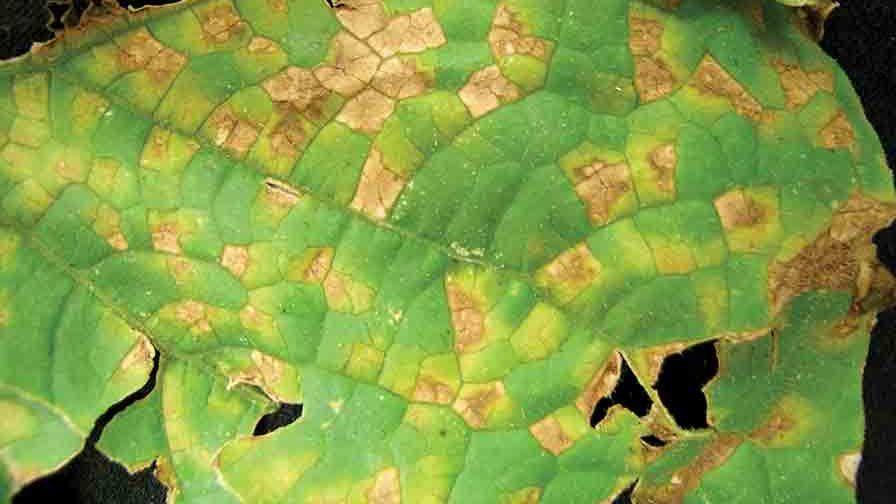
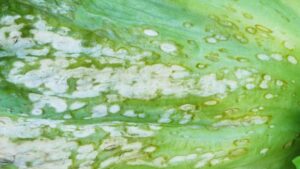
Field Scouting Guide: Cucurbit Downy Mildew By Mary K. Hausbeck | Sheila D. Linderman|April 27, 2022 Heed these tips to effectively identify, monitor, and manage this malady.Read More
Less Common Squash and Pumpkin Varieties for Growers To Pick and Choose By Carol Miller|October 14, 2026
Syngenta Names New Leader for Its North American Crop Protection Operations Posted by Growing Produce Staff|October 13, 2026
How AI-Powered Drones Are Taking More Growers Beyond Crop Scouting By Andrew Mabry, ZenaDrone|October 13, 2026
Plant Health Alert! This Harmful Bacteria Is a First for North America Posted by Paul Rusnak|April 18, 2022 Scientists note first case of Candidatus Phytoplasma brasiliense in a common weed. Is it a threat to produce growers and more?
Survival Strategies of Persistent Soil Pathogens By Steven T. Koike, TriCal Diagnostics|March 23, 2022 If you know how soilborne diseases stay alive, you can better plan how to manage them.
Concerns Raised Over California’s Pesticide Stance By David Eddy|March 15, 2022 California Fresh Fruit Association airs out concerns in workshop at annual conference.
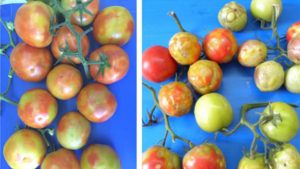
New Research Exposes Underbelly of Tomato Brown Rugose Fruit Virus By American Phytopathological Society|February 16, 2022 Study examines several key components of deadly plant disease and offers advice about a popular resistance.
What’s New for 2022 in Biological Crop Protection Products Posted by Growing Produce Staff|February 12, 2022 Growers can expect plenty this year from manufacturers of biological products.
Late Blight Alert Blares for Vegetable Growers in Southwest Florida Posted by Paul Rusnak|February 11, 2022 Crop scouts report the deadly plant disease has been found in potato plantings around Immokalee. See what to watch out for.
Potato Pink Eye a Disorder Growers Need to Watch Out For By Carrie Huffman Wohleb|February 9, 2022 Though not a disease, Periderm Disorder Syndrome can make tubers more susceptible while also creating external and internal damage. Here’s a primer.
Field Scouting Guide: Black Rot of Brassicas By Karli Petrovic|February 9, 2022 Follow these tips for spotting and treating Xanthomonas campestris.
Biopesticides Flaunt Flexibility for Produce Growers By Thomas Skernivitz|January 29, 2022 Conventional pesticides have their limitations while falling prey to resistance.
Grape Growers Take on the Red Blotch Challenge By Thomas Skernivitz|January 25, 2022 While the virus hinders fruit quality, the effort to counter by cutting clusters or adding irrigation falls flat.
Lettuce Downy Mildew Find Has Growers on High Alert in South Florida Posted by Paul Rusnak|January 15, 2022 The serious foliar disease was found in the Everglades Agricultural Area for the first time.
A Solution To Fending off Leafhoppers in Stone Fruit By Thomas Skernivitz|January 11, 2022 Cherry growers, plagued by X-disease, can turn to insecticides and particle films to fight vectors.
New Pathogens are the Culprit for More California Walnut Mold By Kathie Taylor|January 10, 2022 UC Davis investigates causes and management considering increasing rates of walnut mold.
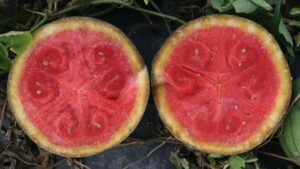
Do Your Best To Stay Ahead of Watermelon Vine Decline By Frank Giles|December 25, 2021 The whitefly-vectored viral disease can spread quickly across fields.
Drought’s Double-Edge Sword: Can It Put a Damper on Plant Disease? By Steven T. Koike, TriCal Diagnostics|November 24, 2021 Lack of water poses a threat to growers’ crops – and pathogens. Find out why.
How the Practice of Keeping Pesticide Sprays in Place Just Got Easier By Thomas Skernivitz|November 15, 2021 Inversion unveiled as attaching a 30-foot mast to a weather station helps define ideal spray time.
Products in Play To Help Keep Fruit Decay at Bay By Thomas Skernivitz|November 7, 2021 Growers, packers work to extend the usable life of postharvest fungicides.
Proper Management of Powdery Mildew in Grapes: The Fanfare Behind Sprayers By Thomas Skernivitz|November 1, 2021 Effective control of malady involves sprayer fans and canopy density, which dictate ideal tractor ground speeds.
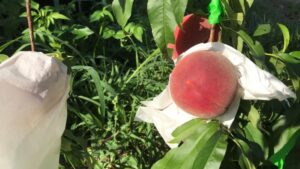
Letting a Healthy Peach Crop Out of the Bag – Literally Posted by Paul Rusnak|October 25, 2021 To help keep pests and diseases at bay, organic growers can place bags around individual fruit, researchers say.