Insect Control
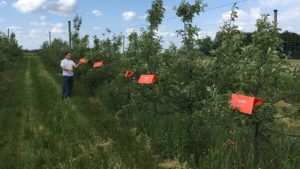
Research shows single-trap locations are not as effective as those kept close together.
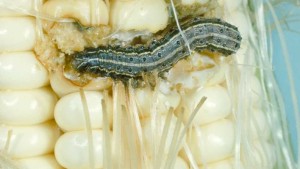
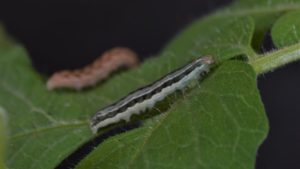
Black cutworm and true armyworm have been caught in relatively high numbers across the Midwest, including Michigan. Learn more about determining risk and scouting in your sweet corn plantings.

While nature always finds a way to adapt, science continues to find other ways to cope.
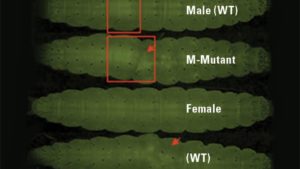
Gene editing has the potential to aid growers in control of invasive pests.
EPA, California officials grant Semios approval of pheromone pest control solution for widespread citrus problem.
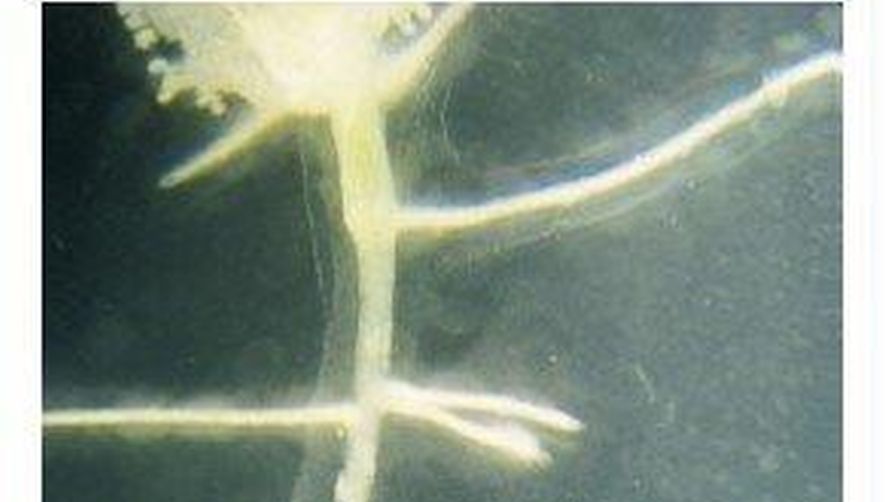
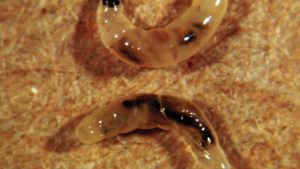
One springtail species is targeting germinating seeds, impacting seedling growth.
Warm weather has quickly accelerated development of insects.
Here’s a resource to quickly reach advice on how to handle insect pests in most regions of the U.S.
Scientists identify more species of pests that vector deadly fungus.
The eventual spread of Huanglongbing (HLB), or citrus greening, to commercial groves in California seems inevitable. But the […]
Entomologists across the country share which pests they see as potential problems for vegetable growers this year.
Neonicotinoids, a key weapon in the grower’s arsenal against potato psyllids, is becoming less effective, a team of researchers […]
Last week, EPA declined to ban the pesticide, which had been recommended for removal during the Obama administration.
Editor’s note: Wendy Zellner made an in-depth presentation on silicon and its use as a biocontrol agent in […]
National project needs input on how the nasty pest affected your farms in 2016.
Scientists find naturally occurring repellent that could keep disease-carrying beetles at bay.
Minecto Pro from Syngenta has received EPA approval for use in specialty and vegetable crops to control lepidopteran and other pests.
An integrated approach is key to managing this destructive pest.
The biological product attacks spider mites in two ways.