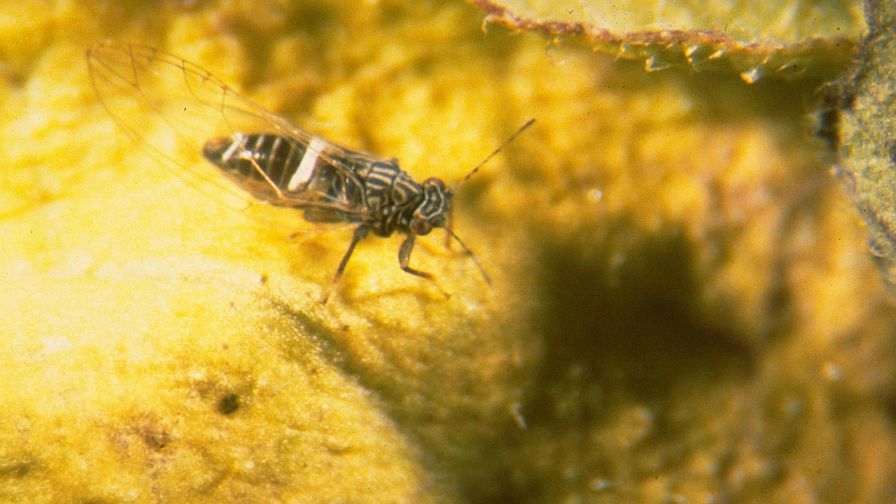
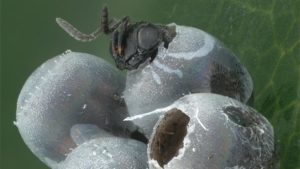
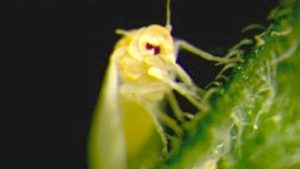
Biocontrol Increasingly Important Option Against Potato Psyllid Posted by Carol Miller|April 5, 2017 Neonicotinoids, a key weapon in the grower’s arsenal against potato psyllids, is becoming less effective, a team of researchers […]Read More
Will New HLB-Resistant Rootstock Change the Game for Florida Citrus? By UF/IFAS News|October 16, 2026
International Fresh Produce Association Appoints New Board Chair Posted by Growing Produce Staff|October 15, 2026
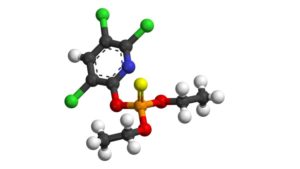
Chlorpyrifos’ Ban Reversed: Researchers React Posted by Carol Miller|April 5, 2017 Last week, EPA declined to ban the pesticide, which had been recommended for removal during the Obama administration.
Silicon: Plant Nutrient and Biocontrol Agent By Wendy L. Zellner|April 3, 2017 Editor’s note: Wendy Zellner made an in-depth presentation on silicon and its use as a biocontrol agent in […]
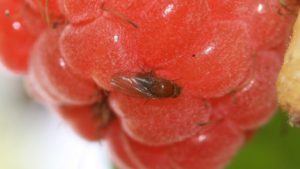
Growers’ Help Wanted on Spotted Wing Drosophila Survey Posted by David Eddy|February 28, 2017 National project needs input on how the nasty pest affected your farms in 2016.
New Discovery Smells Like Victory for Florida Avocado Growers Posted by Paul Rusnak|February 27, 2017 Scientists find naturally occurring repellent that could keep disease-carrying beetles at bay.
New Insecticide Available to Combat Sucking, Chewing Pests Posted by Rosemary Gordon|February 22, 2017 Minecto Pro from Syngenta has received EPA approval for use in specialty and vegetable crops to control lepidopteran and other pests.
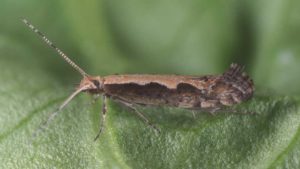
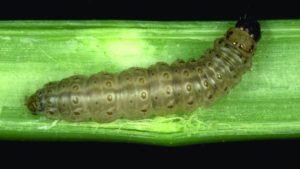
3 Ways to Save Your Vegetable Crops From Diamondback Moths By Bonnie C. Wells|January 13, 2017 An integrated approach is key to managing this destructive pest.
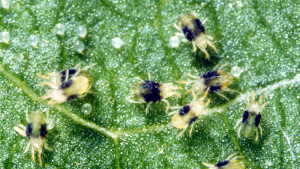
Vegalab US Offers a New Formulation of Spider Mite Control Posted by Rosemary Gordon|January 9, 2017 The biological product attacks spider mites in two ways.
New Potato Insecticide/Fungicide Seed Treatment Available Posted by Rosemary Gordon|January 4, 2017 Syngenta’s CruiserMaxx Vibrance receives EPA registration.
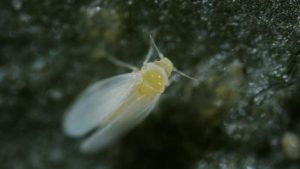
Tackle Whiteflies Head On By Laura Drotleff|November 29, 2016 Reported in outdoor landscapes this year, vegetable growers must be prepared to mitigate the spread of the Q-Biotype.
EPA Extends Comment Period For Malathion Posted by Christina Herrick|November 21, 2016 Growers have the opportunity to comment on a draft of human health risk assessment.
USDA Awards $9.4M For Pest Management Posted by Christina Herrick|November 18, 2016 Projects aim to reduce pests, weeds, and diseases on farms through IPM.
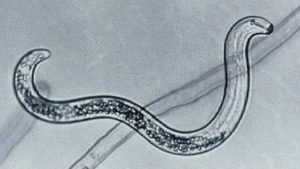
Bacteria May Help Control Lesion Nematodes Posted by Christina Herrick|November 15, 2016 A bacteria found in roundworms could be a future control of a root-hungry pest in raspberries and potatoes.
Three Snap Bean Pests To Watch In The Coming Season By Lauren María Alexander|November 4, 2016 Learn behavior, signs of damage, and management techniques for these vegetable predators.
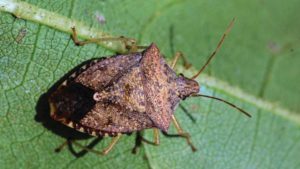
New Project Targets BMSB – Sustainably By Rosemary Hallberg|October 30, 2016 Armed with a $3.7 million grant, North Carolina State University researchers have the brown marmorated stink bug, which has been found in 43 states, in their cross hairs.
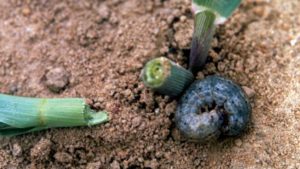
Prevent Black Cutworms From Burying Your Vegetable Plantings By Gene McAvoy|October 22, 2016 Learn how to identify, the survival and spread, as well as management methods for this voracious pest.
Top 3 Invasive Pests Florida Growers Need To Be Watching For By Frank Giles|October 21, 2016 The Sunshine State is ground zero when it comes to foreign pests that can turn agriculture upside down.
Stink Bugs On The Rise In Homes In Washington State Posted by Christina Herrick|October 18, 2016 The notorious brown marmorated stink bug has turned up in large numbers in the Pacific Northwest, no damage to crops.
Georgia Whitefly Populations Explode, Troubling Vegetable Growers Posted by Rosemary Gordon|October 8, 2016 Researcher says growers must be up-to-date on spray programs.
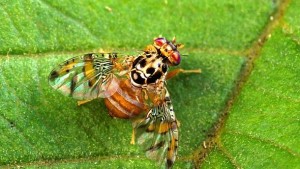
Scientists Reveal Fruit Fly’s Genetic Code Posted by Rosemary Gordon|October 4, 2016 Researchers will begin to explore new ways to break the reproductive cycle of this pest.