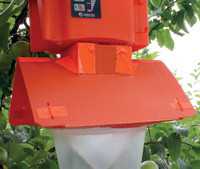
Suterra Releases Navel Orangeworm (NOW) BioLure By Growing Produce Staff|March 13, 2013 Suterra announces the global launch of NOW BioLure, a pheromone-based monitoring tool for Navel Orangeworm (NOW, Amyelois transitella). […]Read More
Will New HLB-Resistant Rootstock Change the Game for Florida Citrus? By UF/IFAS News|October 16, 2026
International Fresh Produce Association Appoints New Board Chair Posted by Growing Produce Staff|October 15, 2026
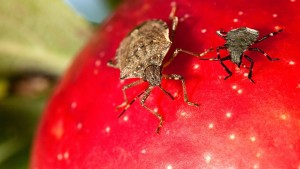
Update On Brown Marmorated Stink Bug In Michigan Posted by Paul Rusnak|March 12, 2013 The first brown marmorated stink bug (BMSB) officially identified in Michigan was found in Berrien County in 2010. […]
EGVM Eradication Funding Requested Posted by Paul Rusnak|March 6, 2013 The executive leaders of three of California’s statewide wine organizations sent a letter today to U.S. Secretary of […]
Need Help Finding Natural Enemies? There’s An App For That By Christina Herrick|March 6, 2013 The Great Lakes Vegetable Working Group (GLVWG), in conjunction with The Ohio State University (OSU), will be releasing […]
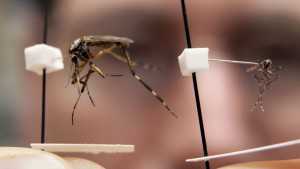
Bug Expert: Florida Facing Big Mosquito Problem Posted by Paul Rusnak|March 4, 2013 University of Florida entomologist Phil Kaufman says last year the state had a bumper crop of Psorophora ciliata: […]
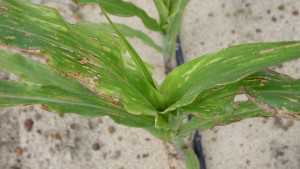
Tips To Stay On Top Of Corn Thrips By Gene McAvoy|March 1, 2013 Identification Grass thrips are orange or yellow, slender insects about 1/16 inch long. Adults have two pair of […]
Keeping Up With White Apple Leafhopper Posted by Paul Rusnak|February 22, 2013 The white apple leafhopper is the most common leafhopper found on apples in the Pacific Northwest. Until it […]
Chemical Companies Win Appeal On Pesticide Lawsuit Posted by Paul Rusnak|February 21, 2013 The 4th Circuit U.S. Court of Appeals found for the plaintiffs in Dow, Makhteshim and Cheminova v. National […]
Napa, Sonoma Grape Growers Can Get Money To Fight Pest Posted by Paul Rusnak|February 21, 2013 The USDA Natural Resources Conservation Service (NRCS) in California is offering assistance to farmers in Napa and Sonoma […]
Keeping Tabs On Apple Rust Mite Posted by Paul Rusnak|February 21, 2013 Apple rust mite, Aculus schlechtendali, is commonly found, but is rarely a major pest of apples. It is […]
Omnivorous Leafroller, A Pest In The Vineyard Posted by Paul Rusnak|February 14, 2013 The omnivorous leafroller is a small moth in its adult stage that is bell-shaped with a snout-like mouthpart […]
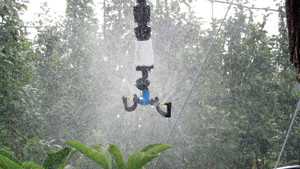
New Spray Delivery System Promises Better Fruit Pest Control, Coverage By Brian Sparks|February 11, 2013 As the tree fruit industry continues to shift to high-density plantings, one of the biggest challenges has been […]
New Insect Trapping Device Posted by Paul Rusnak|February 5, 2013 A new agricultural electronic insect trapping device has the potential to automatically monitor insect pest populations and reduce […]
A Go-To Entomologist At Cornell Earns IPM Award Posted by Paul Rusnak|January 29, 2013 When a virus epidemic hit New York’s 30,000 acres of snap beans, entomologist Brian Nault shifted into high […]
EPA Phase II Fumigant Labels Now In Force By Frank Giles|January 18, 2013 New requirements for important crop fumigants were rolled out in December. These Phase II EPA registrant labels apply […]
New Moth Control Product OK’d By Growing Produce Staff|January 11, 2013 The U.S. EPA has granted registration to Madex HP, the first granulosis virus approved for use in North […]
USDA Continues To Battle The Stink Bug Posted by Paul Rusnak|January 8, 2013 First detected in the U.S. a decade ago, the brown marmorated stink bug (BMSB) is now in at […]
Pearleaf Blister Mite Management A Must Posted by Paul Rusnak|January 8, 2013 This video highlights identification and control of the pearleaf blister mite, which can be found in almost any […]
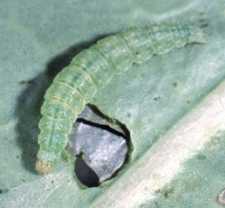
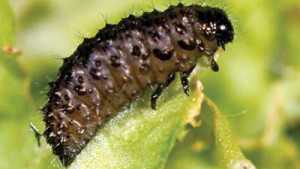
The Diamondback Moth And Yellow Margined Leaf Beetle Are Two Foes You Should Know By Ed Skvarch|January 1, 2013 Don’t let these pests crash your cruciferous crops.
Study: Invasive Beetle Posing Bigger Threat Than First Thought Posted by Paul Rusnak|December 28, 2012 A new University of Florida study suggests the invasive yellowmargined leaf beetle’s cold tolerance could help it spread […]