Nutrient Management
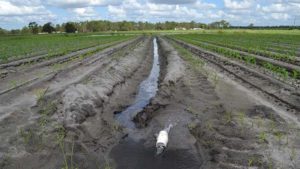
Dig into details of a new $1.8 million project to help guide growers in placing crop inputs directly to the root zone.
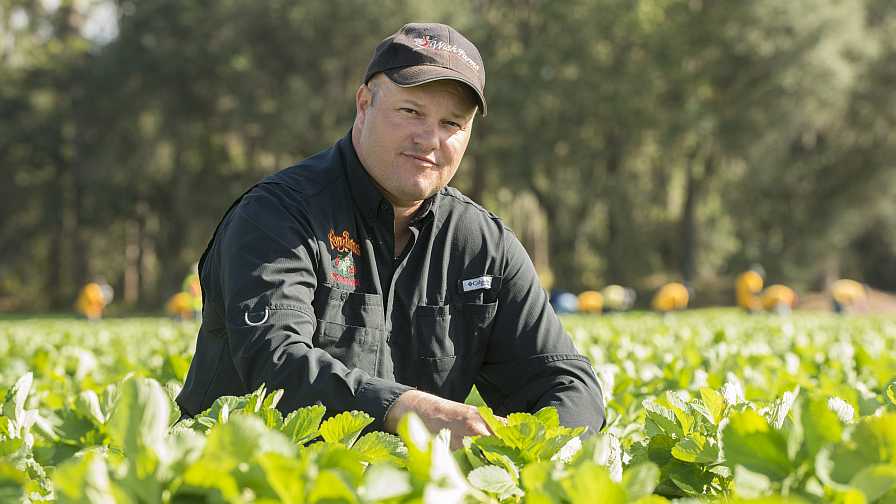
Fancy Farms in Florida deploys a number of tactics to be sure fertilizer is in the right place and at the right rate.
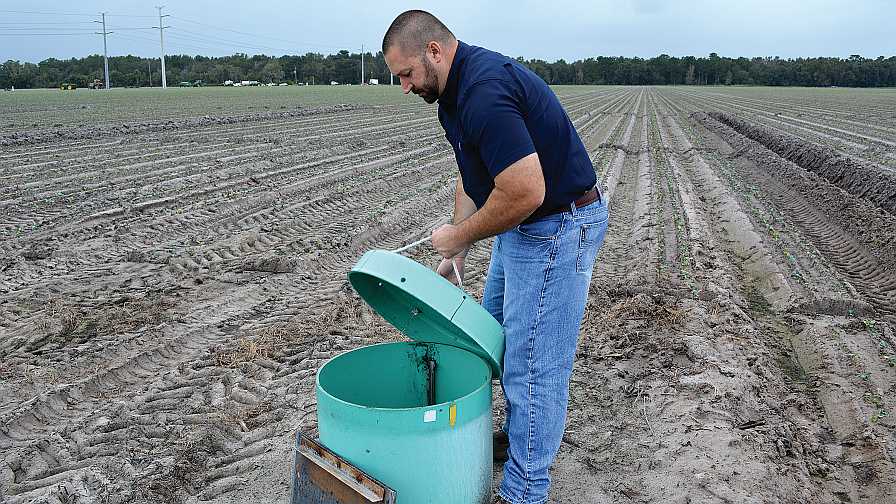
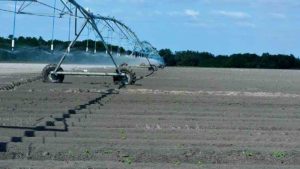
Soil probes and weather stations allow Brittany Lee to make smart choices on irrigation and nutrient management.
More frequent inspection and new record keeping requirements key elements of the legislation.
Nutrient stewards on the farm set an example for all to follow now and into the future. Here’s your chance to learn from some of the standouts in Florida.
After years of discourse, the state seeks new policies involving agriculture and other sectors to address algae blooms and red tide.
Whether growing crops south or north of Lake Okeechobee, agriculture is going to be in the middle of the rancorous debate over water.
Agriculture industry stakeholders are diving in to implement a state-specific nutrient stewardship certification program.
Best management practices beyond the farm just might help Florida get a handle on the big challenge of quality and supply of its most precious resource.
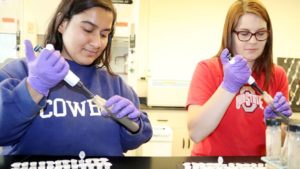
Vital nutrient level indicated by protein presence.
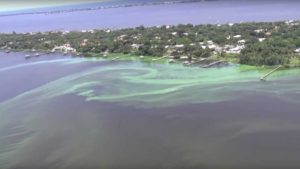
Record rains force flow of toxic algae from overloaded Lake Okeechobee into St. Lucie and Caloosahatchee rivers.
More agricultural projects singled out to divvy St. Johns River Water Management District funds for conservation, nutrient reduction.
Nutrient Technologies announces Acrecio will be available to growers across the country.
Industry leadership award honorees stand out in setting new standards through innovative technology and BMPs.
Biological control — whether you’re talking about biochemicals, microbial products, beneficials, or even the relatively new category of […]
With the help of five-year, $5 million USDA grant, stakeholders will learn what it takes to better preserve precious resource.
Tri-County Agricultural Area projects to share $1.5 million in funding for continued conservation and nutrient management.
WOTUS could be on the way out after an executive order calls for a top-to-bottom review.
Cornell University’s standard soil health test uses physical and biological indicators to determine how you can better serve your soil and, ultimately, your crop.