Crop Protection
Appeals court ruling restores agricultural uses of the controversial crop protection tool.
Researchers say crop sanitation will be key to controlling the invasive carpophilus beetle.
California growers beware. Newly published study expects three major pests — codling moth, peach twig borer, and Oriental fruit moth — to rise up.
Now in its ninth year, industry event offers latest info and real-world guidance on biological products and the technologies that enable their success.
This exotic pest native to Australia is known to target more than 175 different fruits, vegetables, and plant commodities.
Researchers are calling on farming operators in the Mid-Atlantic region to participate in a survey.
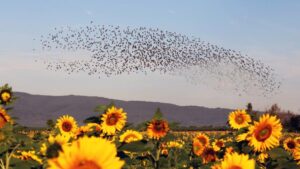
Iowa grape growers give pest birds an alternative. But do sunflowers really work?
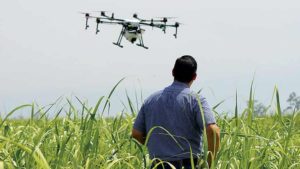
Assembly 1016 to expedite training and licensing programs so that more farmers may use drones for pesticide applications.
Learn how merger of 10 companies – and counting – is seizing on the global push toward biologically oriented fruit and vegetable production.
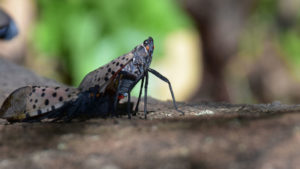
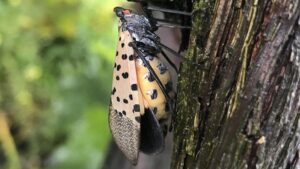
Tennessee is the 16th state to detect the invasive spotted lanternfly since it was first discovered in Pennsylvania in 2014.
Scientists search for ways to fight resurging parasitic weed that attaches to roots and sucks out nutrients of plants.
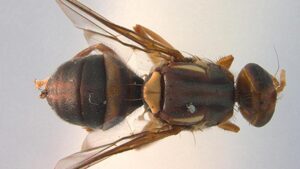
The Oriental Fruit Fly pest is known to target more than 230 different fruit, vegetable, and plant commodities.
National Agricultural Statistics Service will conduct interviews with more than 1,400 growers to gather information for its 2023 Fruit Chemical Use Survey.
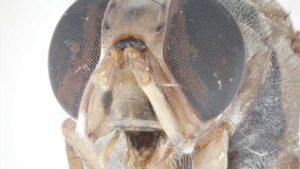
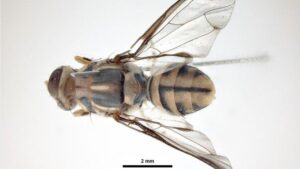
Already on alert, USDA-APHIS inspectors confirm 20 more adult specimens of the Zeugodacus tau fruit fly were recently found in Los Angeles County.
While hefty price tags stunt their current rate of adoption, robotic weeders could be commonplace within the next decade.
New study says research partners have found a faster, safer, and less expensive way for growers to detect the invasive pest.
Grant from the Foundation for Food & Agriculture Research aimed to increase crop resistance to the deadly pathogen.
The predatory yellow-legged hornet has been a pain for bee populations in Europe. The first U.S. sighting of the pest was just confirmed. Find out where.

Chemical pesticides fare most poorly among young consumers — and there are a lot more of them, now, and in the future — than there are producers.