Crop Protection
Although there are not yet any confirmed positives for tomato brown rugose fruit virus on seeds that have been deployed to date, precautions being taken.
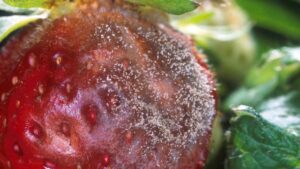
Why might fumigated strawberry fields still be susceptible to the disease? The answer could be blowing in the wind.
The emerald ash borer has been a bane to trees in the East and Midwest for many years. Folks out west now are warned to watch for this destructive insect.
The proposed deal is still going through the approval process.
University of Florida researchers may have found the key to developing tomatoes that can resist the disease.
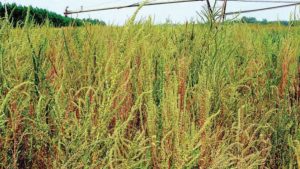
Herbicide carryover can inhibit sprouting, delay emergence, and cause various sprout, stem, and leaf distortions.
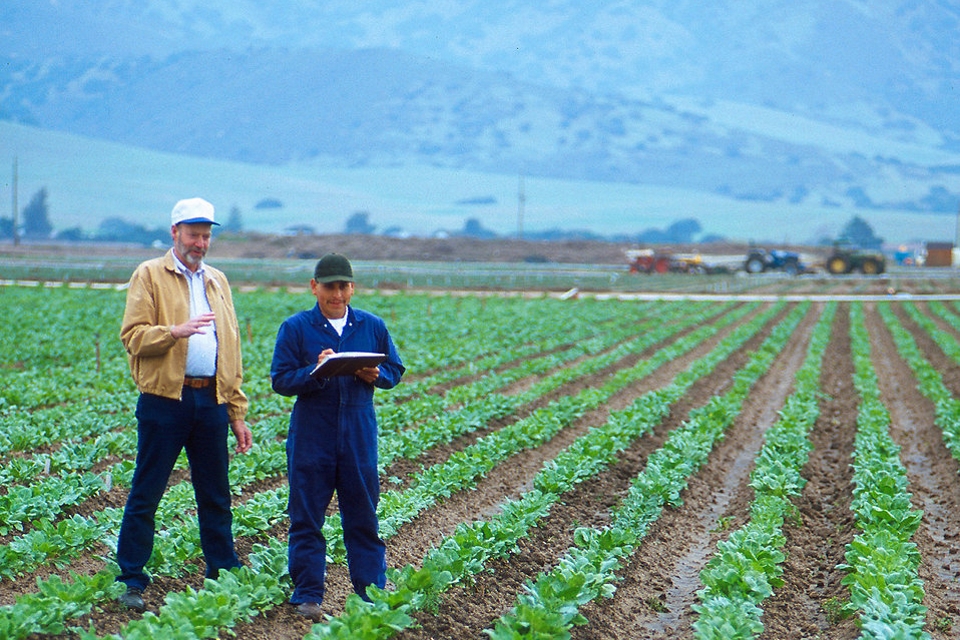
USDA scientists from Salinas, CA, lab report there has been no further disease spread as of early spring.
Take proactive steps to reduce the risk of this crop protection problem.
What you need to know to identify and manage this disease.
Beating this disease that threatens to scorch pome fruit orchards requires careful planning and execution.
Beginning with a more holistic, biological approach can save growers money on chemical sprays, a key consideration in these days of low walnut prices.
Cherry trees in the PNW can fall victim to a variety of viruses, some of which are exacerbated by cool spring temperatures.
LALSTOP G46 WG from Lallemand Plant Care is a proven biofungicide which controls multiple foliar diseases of fruit, vegetable, herb, and ornamental crops.
New study looks to help ease crop protection predicament via intercropping. Multiple factors need to be considered though.
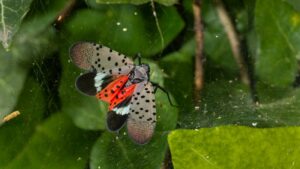
Researcher urges growers to work to educate people on the spotted lanternfly as the visitor from Asia makes its way across the country.
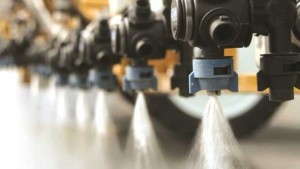
A vision-guided sprayer improves weed management, with minimal crop injury, but reducing herbicide volume remains an issue.
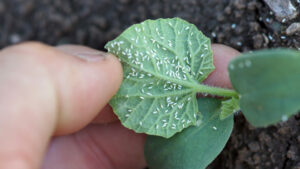
Researchers warn of potential impacts of tiny pest (Thrips parvispinus) as it spreads across the Sunshine State.
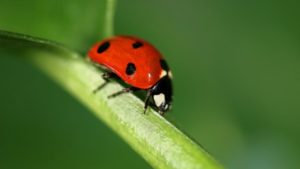
One orchard’s bane is another’s beneficial. Such is the case with this insect.
Members of the IR-4 Project say changes could negatively impact availability of products that help keep honey bee colonies healthy.