Crop Protection
Transaction to create what would be one of the largest crop protection companies in the world.
Pests have threatened civilization throughout history, influencing the use of chemicals for control.
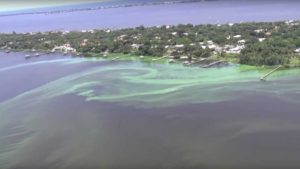
Record rains force flow of toxic algae from overloaded Lake Okeechobee into St. Lucie and Caloosahatchee rivers.
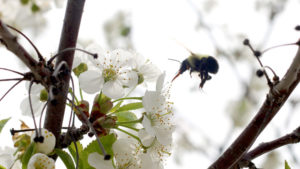
Practices that maximize productivity can undermine the pollination process, reducing profitability.
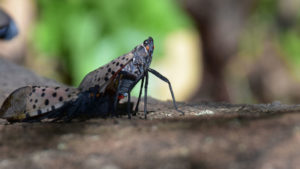
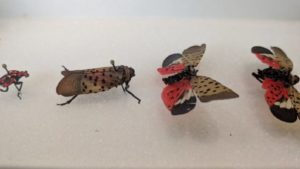
With cargo being shipped daily all over the world, it’s no wonder there are invasive pests landing in the U.S. — including these tiny but formidable foes.
Northern California company disputes the incident, which caused eight farm workers to seek medical treatment.
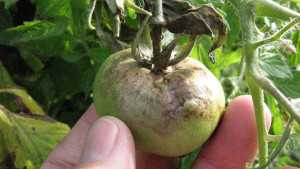
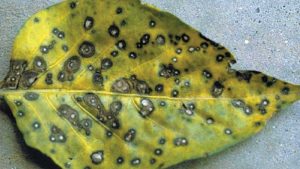
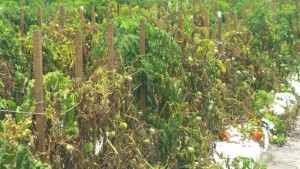
Learn how to identify, the survival and spread, as well as management methods for this vegetable disease.
Multiple findings of exotic pest push local agriculture officials to launch eradication efforts.
The invasive pest was initially found in the state earlier this year, but now another first: infiltrating a cultivated crop.
Three new crop protection produces have been approved for new markets or are being introduced: an herbicide; a fungicide; and a biological fungicide.
Agency seeking input from stakeholders on findings by the National Marine Fisheries Service’s Biological Opinion, which threaten the use of widely used pesticides.

USDA’s new labeling and disclosure standards come as part of the National Bioengineered Food Disclosure Law.
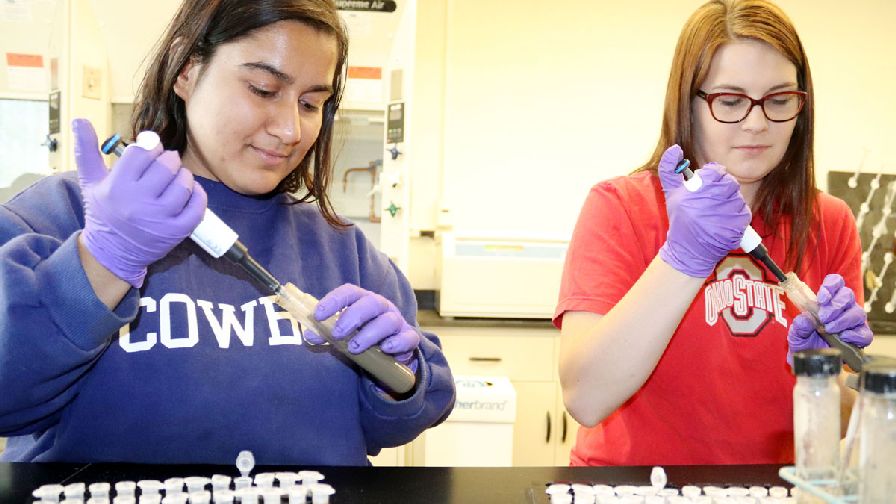
Unique biocontrol strategy could help vegetable growers manage deadly plant pathogen.
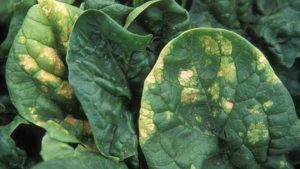
Learn how to identify, the survival and spread, as well as management methods for this plant pathogen.
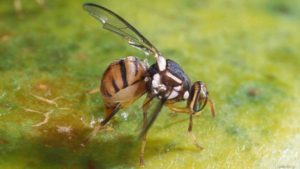
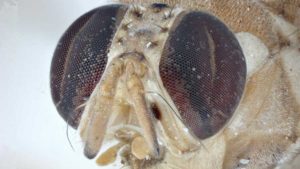
This is only the second time the notorious peach fruit fly species has been spotted in the Sunshine State.
Steven Koike says understanding how diseases spread is key to managing them. Here are several ways it happens among plants.
Learn why it’s important to keep pesticide applications in their place.
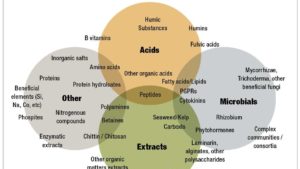
Natural input options helping create healthier plants that are better suited to fight disease and endure abiotic stress.
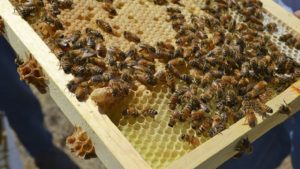
Washington State University scientists have created microparticles that could help save honeybees.