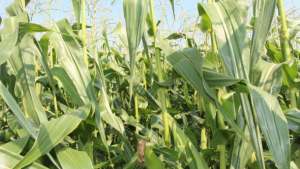
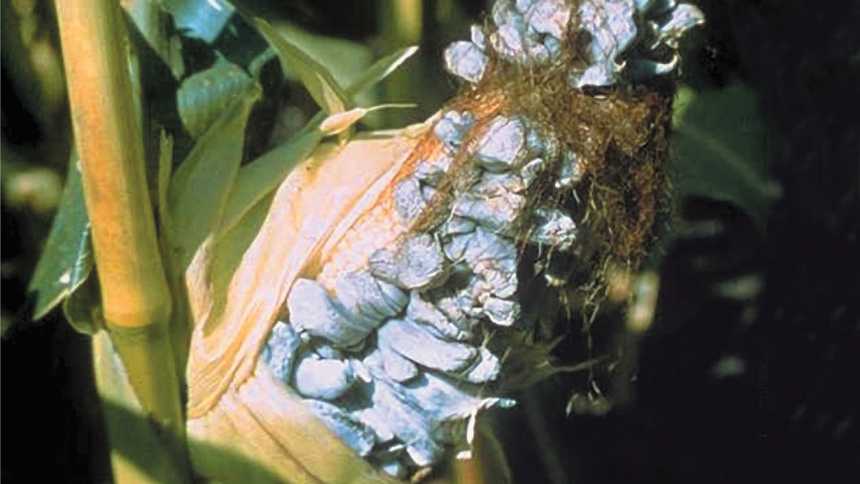
Open Your Eyes To Common Smut In Sweet Corn By Gene McAvoy|July 19, 2016 Learn how to identify, the survival and spread, as well as management methods for this formidable fungus.Read More
Why Washington State Fruit Growers Need to Adapt for Drought Now By Jon DeVaney, Washington State Tree Fruit Association|September 12, 2026
Melon Breeding: Can Flavor Flourish Without Sacrificing Shelf Life? By Michele Katsaris|September 11, 2026
What Research is Finding About Extended Photoperiods in Greenhouse Eggplant By CEAg World|September 10, 2026
Titan Farms Celebrates SQF Quality Certification Achievement Posted by Growing Produce Staff|September 10, 2026
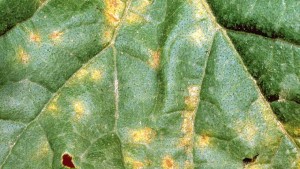
Early Infection Of Downy Mildew Confirmed In Michigan Cucumbers Posted by Rosemary Gordon|July 18, 2016 The pathogen has been confirmed in Michigan cucumbers in Bay County for the 2016 season.
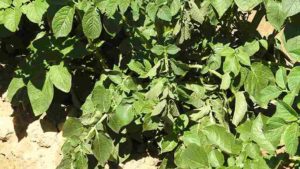
Potato Growers: Be On The Lookout For New Strains Of Potato Virus Y Posted by Rosemary Gordon|July 18, 2016 Standard measures have been typically less effective against new strains.
Bayer Ups Bid To Buy Monsanto Posted by Paul Rusnak|July 18, 2016 Reports indicate new offer at nearly $65 billion.
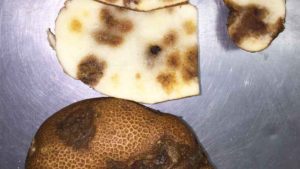
Dickeya: A New Potato Disease Posted by Rosemary Gordon|July 13, 2016 The disease caused big losses last year; growers need to check fields for symptoms.
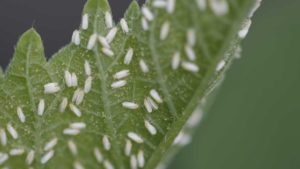
Exotic Whitefly On The Move In Florida Posted by Paul Rusnak|July 11, 2016 Reports confirm notorious Q-biotype species is now present in eight counties.
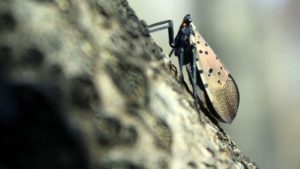
Spotted Lanternfly Quarantine Expands In Pennsylvania Posted by Christina Herrick|July 8, 2016 More townships added as small populations of the pest are found in municipalities adjacent to previously quarantined areas.
Public Policy Decisions And The Influence Of Dangerous Data [Opinion] By John Keeling|July 8, 2016 EPA needs to get back to using solid science and avoid bending to popular opinion.
Disease Reportedly Returns To California Olive Orchards Posted by David Eddy|July 7, 2016 The pathogen, which was originally reported along the coast in 2013, was recently found in the Sacramento Delta area.
Abiotic Issues Affect Vegetable Production And Quality By Richard Smith|July 6, 2016 Although most issues you face are biotic, abiotic issues can greatly impact vegetable crop yield and quality.
Algal Bloom Crisis Forcing Florida Farmers To Tread Water By Paul Rusnak|July 6, 2016 With state of emergency actions underway, growers and industry stakeholders are having to face, respond to critics.
Miticide Label Now Includes Sweet Corn Posted by Rosemary Gordon|July 6, 2016 Agri-Mek SC miticide/insecticide from Syngenta controls two spotted spider mites.
Crop Production High Tunnel iBook Now Available Posted by Rosemary Gordon|July 6, 2016 The book is designed to help growers who are beginning high tunnel production.
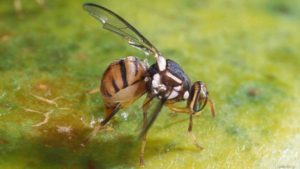
At Least $4.1 Million Lost In South Florida Fruit Fly Outbreak Posted by Paul Rusnak|July 5, 2016 UF/IFAS researchers take optimistic route, say damage from last summer’s invasive pest onslaught could have been much worse.
CEU Series: Get The Lowdown On Federal Pesticide Laws By Gene McAvoy|July 1, 2016 Updated standards are in place to better protect people and the environment.
Scientists Selected To Work On Healthy Hives 2020 Initiative Posted by Rosemary Gordon|June 23, 2016 The four-year, $1 million program has a goal of improving the health of honeybee colonies.
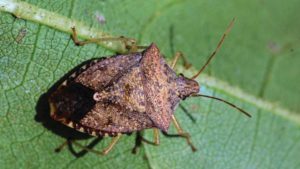
Florida Growers Warned To Beware Of Brown Stink Bugs By Gene McAvoy|June 22, 2016 Learn how to identify, the survival and spread, as well as management methods for this insect pest.
New Effort Highlights The Heralded 4 Rs Of Crop Nutrition Posted by David Eddy|June 18, 2016 The Nature Conservancy and The Fertilizer Institute join forces in nutrient stewardship partnership and related sustainable farming practices.
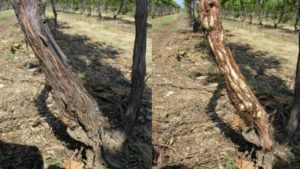
Several Severe Winters Causing Crown Gall Concerns By Brian Wallheimer|June 15, 2016 Although this past winter may be considered more mild, severe cold the two winters prior in the Midwest […]
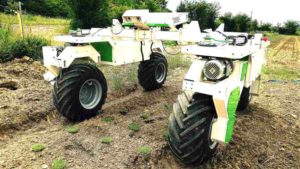
Robotic Weeder Makes Its Debut Posted by Rosemary Gordon|June 15, 2016 Developed in France, the autonomous, electric-powered, lightweight machine doesn’t compact soil and operates for up to eight hours.





![Public Policy Decisions And The Influence Of Dangerous Data [Opinion]](https://www.growingproduce.com/wp-content/uploads/2012/06/35521.jpg)