Crop Protection
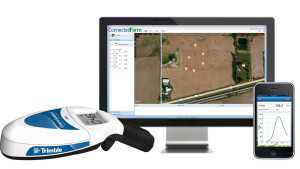
The company announced the addition of “PurePixel” to its crop health monitoring system, Connected Farm.
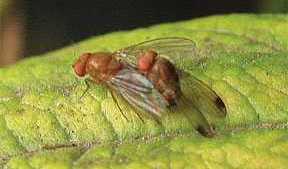
Extension researchers offer control and management strategies for these pesky pests as growing season continues.
Learn how to ID, the survival and spread, as well as management methods for this vegetable pest.
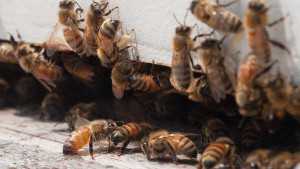
Five Midwest states receive additional incentives to establish pollinator habitats.
Chemistry to be registered for use on a variety of specialty crops including apples, potatoes, grapes, fruiting vegetables, pears, and cucurbits.
These natural products can help stop deer, rabbit, and squirrels from eating your profits.
Digital-based information resource from American Phytopathological Society available for iPhone and iPad use.
Product provides another mode of action for resistance management of emerging disease.
Mitsui Chemicals Agro, Inc. and BASF sign agreement for new insecticide for use on leafy and fruiting vegetables.
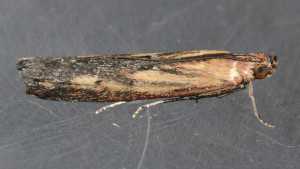
Michigan State University researchers anticipate continued emergence of the pest.
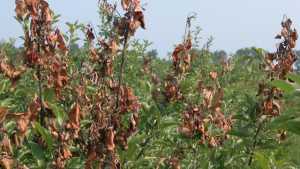
As organic growers lose their most-common defense against fire blight, research around the country provides resources and options for control of the bacterial disease.
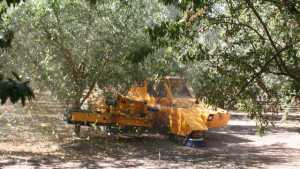
Now is the time of year for almond growers to check for nutrient deficiency and make needed corrections.
Tacoma AG LLC partners with Agria S.A. to introduce Fortuna 75 WDG fungicide.
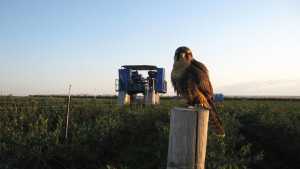
Today you have several options for protecting your crops from nuisance birds.
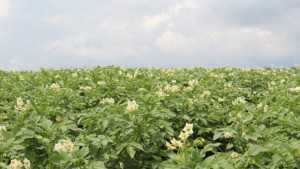
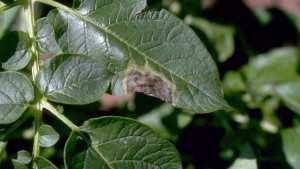
Study traces late blight to South America instead of Mexico, as previously thought, providing key insight to the pathogen’s genetic diversity and behavior.

Proper preparation and precaution are paramount when working around pollinators.
The first appearance of the problem, which typically affects older orchard, is in mid-spring.
Overabundance in precipitation can cause planting delays, waterlogged soils, fertilizer runoff, and more.
Through responses, researchers at Northeastern IPM Center are hoping to determine level of damage from this pest.