New COVID-19 Relief Package a Win for More Farmers Posted by Growing Produce Staff|December 22, 2020 Many growers who were previously left out of aid previously will now qualify for assistance.Read More
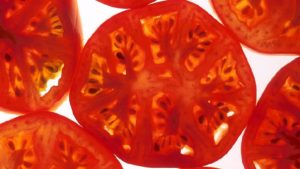
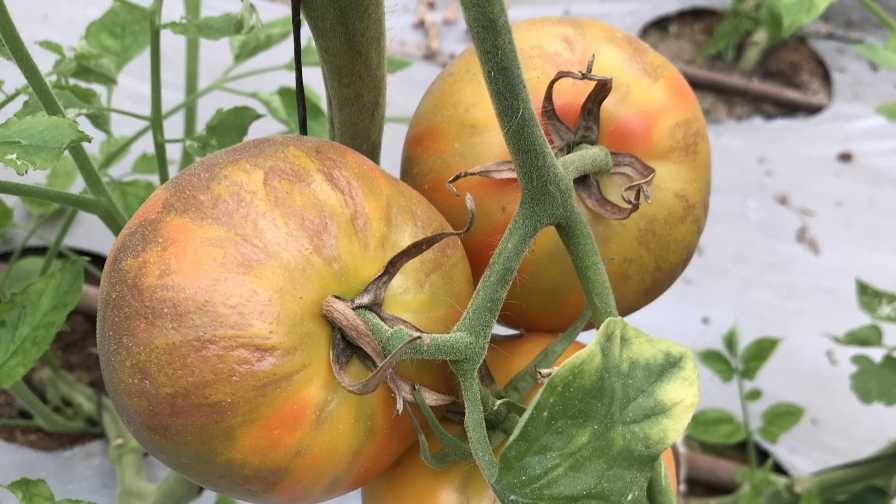
Can You Get a Healthier Tomato by Turning up the Heat? Posted by Paul Rusnak|December 22, 2020 Postharvest study shows a sure-fire way to bring out more antioxidants and increase red color in the fruit.
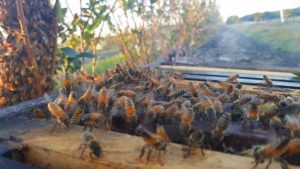
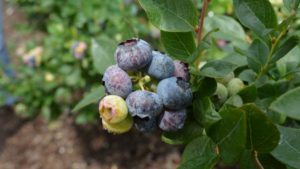
Project To Help Improve Pollination for Blueberries Posted by Paul Rusnak|December 19, 2020 Swarm of researchers set out to find and recommend the best ways and time for bringing bees and blueberry plants together.
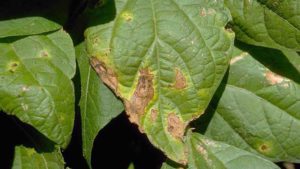
Common Bacterial Blight of Beans Can Strike in a Snap By Gene McAvoy|December 17, 2020 Learn how to identify, the survival and spread, as well as management methods for this vegetable malady.
Scientists Dig in Deeper For Way To Beat Citrus Greening By UC Riverside News|December 16, 2020 Focus in to see why a team of scientists was awarded $10 million over the next five years to investigate the role of soil and root microbes in the disease.
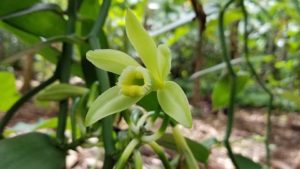
Vanilla Plant Growth Success for Florida Found in the Genes Posted by Paul Rusnak|December 16, 2020 Find out more about the latest milestone University of Florida researchers have reached to solve mystery of flavorful alternative crop.
New App To Help Growers Protect Blueberry Crops Posted by Paul Rusnak|December 11, 2020 The UF/IFAS Blueberry Growers Guide is ready for download. Check out the platform’s capabilities.
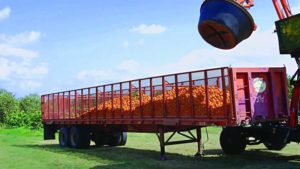
Squeeze Play in Latest Florida Citrus Crop Forecast Posted by Paul Rusnak|December 10, 2020 Production estimates for oranges and grapefruit reduced. See where the current numbers from USDA stand.
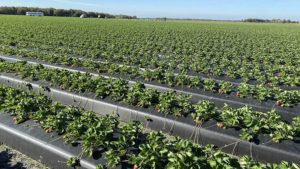
Wish Farms ups Its Strawberry Growing Game in Florida Posted by Paul Rusnak|December 10, 2020 Learn more about the acquisition that is adding specialized acres of production power for the Plant City-based operation.
Can Chilli Thrips Be Defeated by Using Less Pesticide? Posted by Paul Rusnak|December 8, 2020 New study shows a little crop protection strategy can go a long way to squelch the tiny insect in Florida strawberries.
Here Are the Latest Florida Citrus Hall of Fame Inductees Posted by Paul Rusnak|December 8, 2020 Four more industry influencers selected to join prestigious honor roll. Find out who made the cut.
Fond Farewell From a True Florida Agriculture Advocate By Lisa Lochridge|December 7, 2020 Lisa Lochridge has a packinghouse full of memories during her tenure at FFVA. Read her final column for Florida Grower.
Tomato That Can Stand up To Deadly Plant Virus on the Way By Brian Sparks|December 4, 2020 Syngenta Vegetable Seeds has launched its first commercial tomato brown rugose fruit virus-resistant variety. Find out when it will be available.
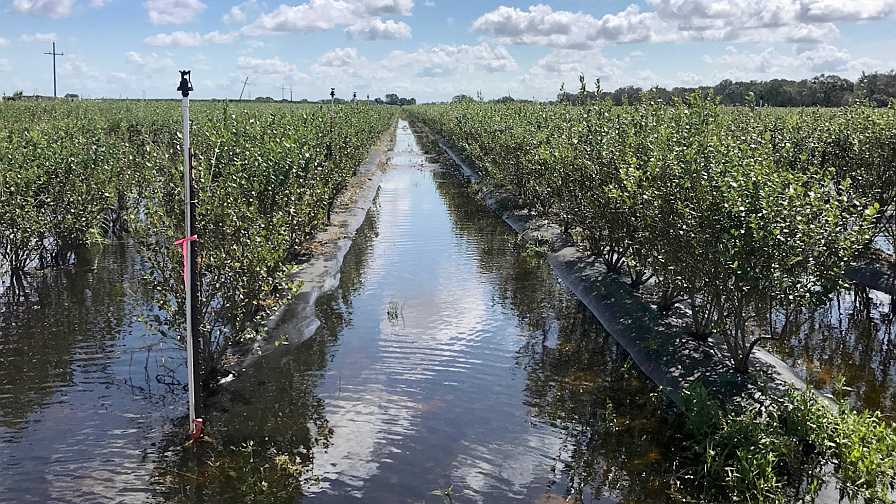
Farm Damage From Tropical Storm Eta? How To Get Help Posted by Paul Rusnak|December 3, 2020 Florida producers urged to seek disaster assistance from USDA. Here’s where they can find it.
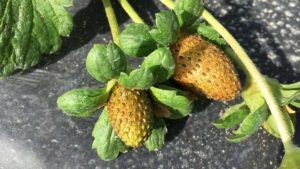
Make Way for First White Strawberry in the U.S. Posted by Paul Rusnak|December 1, 2020 The uniquely colored berry that smells like pineapple is just one of two new juicy varieties being released to growers.
Cheers! Robust Revenue Growth for Florida OJ Producer By The Ledger|November 30, 2020 Amid pandemic, Florida’s Natural Growers reports annual sales revenue grew 12% to $470 million in 2019-2020.
What Are the Top Food Trends for 2021? Posted by Growing Produce Staff|November 30, 2020 Cooking at home is broadening the horizons for grocery shoppers, according to a list compiled by Whole Foods Market.
Everglades Ag Area Growers Focus on Water Quality By Frank Giles|November 26, 2020 Mandatory BMPs, self-imposed fees among several steps deployed to protect our environment.
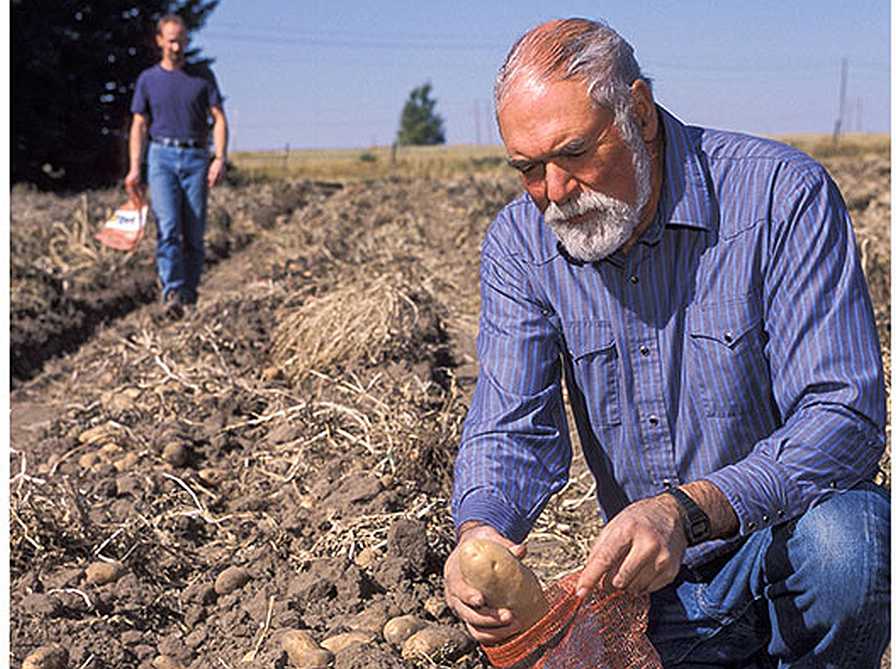
How the Most Popular Potato in the U.S. Reached Its Status By Carrie Huffman Wohleb|November 25, 2020 Learn why the Russet Burbank cultivar is so successful.
Is a Lettuce Shortage on Its Way for the U.S.? By AgriLife Today|November 24, 2020 Supply chain disruptions, beyond COVID-19, are putting a strain on keeping the leafy green crop in stock.