Florida Newsletter
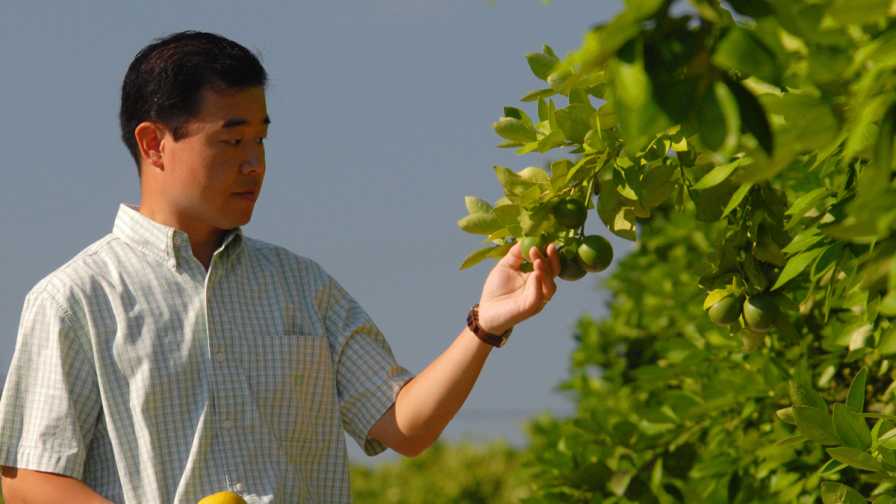
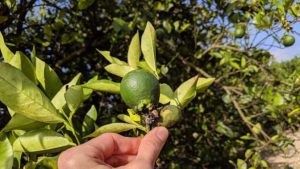
Join the conversation as a new committee leads the charge to developing new varieties in the wake of an HLB endemic.
After an in-depth reevaluation, group broadens its umbrella and sharpens focus.
In his career, Dr. John VanSickle has just about seen it all and knows factors like trade and tech will continue to shape the state’s specialty crop sector.
Survey results of Bee Informed Partnership finds nearly 38% of colonies died this past winter and almost 41% of colonies were lost from April 2018 to April 2019.

Citrus growers on alert as first-ever find of lebbeck mealybug in commercial grove reported.
Still an emerging crop in the Sunshine State, the sweet treat is gaining momentum in the marketplace.
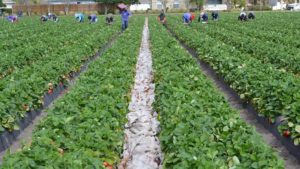
Strawberry industry association leader points to recently published research that confirms how subsidized produce imports are crushing local business.
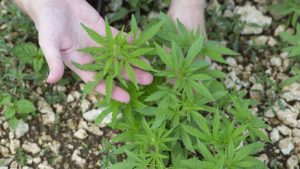
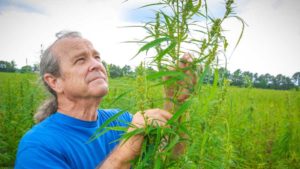
Governor signs bill into law, establishing new state program for the alternative crop.
Consumer-based survey digs into eating habits while showing what passes the taste test and others that fail to satisfy.
Despite uncertainty, the industry continues to seek new venues to rebuild and outflank HLB.
While the Sunshine State preps to add another alternative crop to its commercial agriculture mix, there is plenty food for thought.
The latest Census of Agriculture breaks down what many Florida growers already know: Large farms are getting larger and small farms are shrinking.
Find out who the major players are and what they are working on to get a good idea of where the market is headed in the future.
Updated USDA crop estimate reveals slight decrease as the 2018-2019 campaign nears finish line; still reasons for industry to look up.
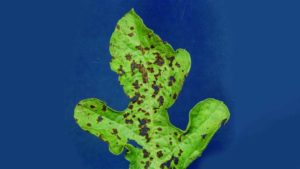
Learn how to identify, the survival and spread, as well as management methods for this vegetable malady.
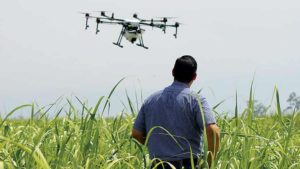
Projects at several land-grant universities look to develop devices, systems, and methods to increase efficiencies on the farm.
Special report download highlights trends and opportunities in specialty markets, row crops, and more.
Green Point Research provides $250,000 in genetic material to local researchers in an effort to get state’s alternative crop quest off the ground.
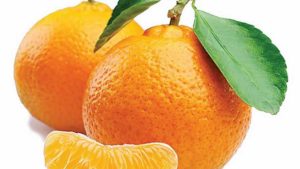
Unique late-season, seedless Mediterranean triploid is now an option for Florida citrus producers.