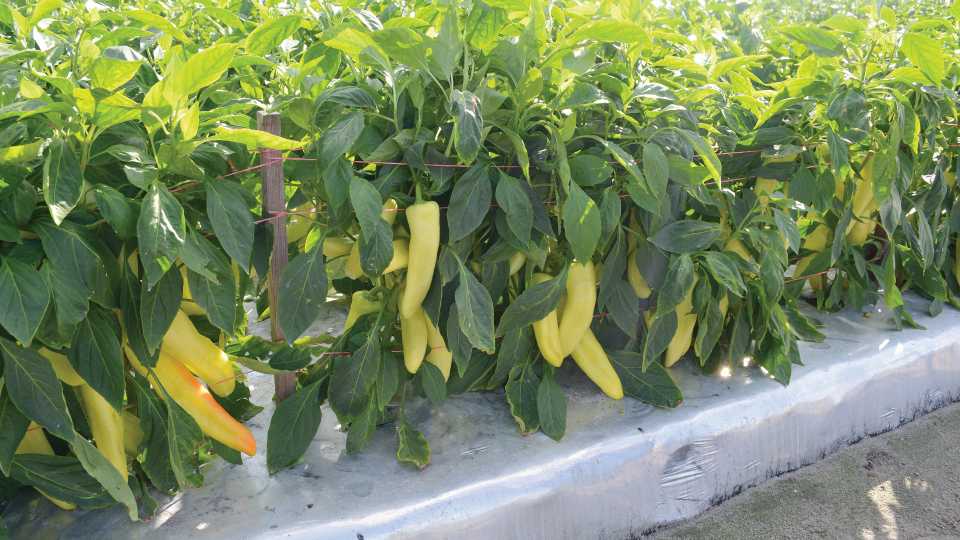
Scientists on Quest to Turn Heat up on the Hot Pepper Market By AgriLife Today|September 23, 2021 New production practices and technologies could lead to lower costs and higher demand.Read More
The Hidden Margin Leak Between Projected and Actual Harvest Dates By Muhammad Abdullah, Folio3 Agtech|June 2, 2026
Red Alert! Tomato Trade with Mexico Could Cost U.S. Growers $250 Million a Year Posted by Paul Rusnak|September 22, 2021 Study shows vulnerability of the domestic industry with continued competition-related challenges and market share loss.
We Believe in Florida Citrus Podcast: Talking Citrus Under Protective Screen By Frank Giles|September 20, 2021 Tune into the latest episode of the We Believe in Florida Citrus Podcast series to hear what grower Steven Callaham has to say about CUPS.
What You Should Know About the New Leader of UF/IFAS Extension By J. Scott Angle|September 19, 2021 J. Scott Angle, the Senior VP of UF/IFAS, chose Andra Johnson out of six highly qualified finalists for the job. Here’s why.
Efforts Growing To Build a New Message Around Biologicals for Ag By Richard Jones|September 17, 2021 The sector has seen impressive growth and adoption rates in recent years. It’s time for a new approach to keep that trend going.
Is It Damping-Off That’s Keeping Your Vegetable Crops Down? By Gene McAvoy|September 16, 2021 Learn how to identify, the survival and spread, as well as management methods for this fungal foe.
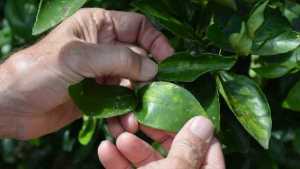
Has a Key Been Found To Help Restore HLB-Positive Citrus Trees? Posted by Paul Rusnak|September 14, 2021 Find out where you can learn more about gibberellic acid treatments and what they can do now to relieve stress for plantings racked by disease.
What You Need To Know About Biological Crop Protection and Plant Health Posted by Growing Produce Staff|September 13, 2021 Learn about an exclusive, free digital report that answers a bounty of biocontrol questions for all crop segments.
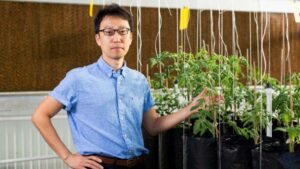
Want More and Bigger Tomatoes? Look To the Genes Posted by Paul Rusnak|September 12, 2021 New research project digging down to the DNA level for ways to beef up crop yield.
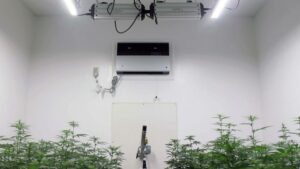
Scientists Shed Some New Light on Growing Hemp in Florida Posted by Paul Rusnak|September 9, 2021 An illuminated look into the alternative crop’s flowering behavior provides further guidance for local growers.
USDA Serving up $700 Million To Help Farm and Food Workers Impacted by COVID-19 Posted by Growing Produce Staff|September 8, 2021 Learn more about what the new Farm and Food Workers Relief program has to offer.
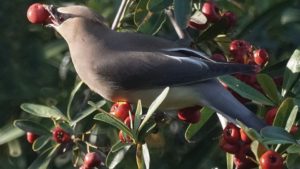
Pointers To Keep Birds at Bay and Away From Your Berry Crops By Thomas Skernivitz|September 7, 2021 Growers have several ways to stop feathered foes from damaging berry plants, some more costly than others.
Concern for Florida Ag? New Operations Manual for Lake Okeechobee Proposed By Frank Giles|September 4, 2021 Learn why area growers are expressing worry over the plan and its potential impacts on water supply for farms.
Survey: Fruit and Nut Growers Are Using a Wide Range of Biocontrols Posted by Growing Produce Staff|September 3, 2021 State of the Industry poll shows significant percentages of producers exhibit similar use patterns when it comes to different products and strategies.
New Study Shows Surge of Mexican Produce into the U.S. Continuing Posted by Frank Giles|September 2, 2021 Florida specialty crop growers taking a particularly big hit from imports during their market window.
‘Season of Shivers’ Coming? The Cold Hard Truth from Old Farmer’s Almanac Posted by Paul Rusnak|September 1, 2021 One Winter 2021-2022 extended forecast warns of what could be one of the longest and coldest campaigns in years.
Get the Inside Scoop on the Citrus Research and Field Trial Program By Frank Giles|August 30, 2021 Listen to what Tamara Wood, the new head of Florida’s CRAFT program, has to say in the latest episode of the We Believe in Florida Citrus Podcast series.
Farm Interests Keep Wary Eyes on the Tax Man By Frank Giles|August 30, 2021 Florida Grower Editor Frank Giles discusses why one particular tax provision has U.S. agricultural stakeholders worried.
Why Dry Conditions Are Best When Applying Biopesticides By Thomas Skernivitz|August 27, 2021 Unless it’s a wet season, biological treatments can hold their own against conventional offerings.
USDA’s Coronavirus Food Assistance Program 2 Gets Booster Shot Posted by Growing Produce Staff|August 25, 2021 Learn about the latest modifications set by the government agency, as well as the deadline for producers to apply.