Apples & Pears
Works with university researchers to resurrect apples of the Palouse region.
Study published in Food Research International highlights the nutritional benefits of a diet rich in pears.
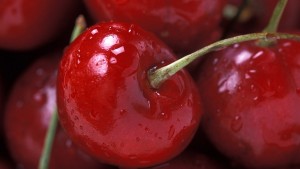
Cherry and grape growers use wind machines, irrigation to protect early blooms and buds from freezing temperatures.
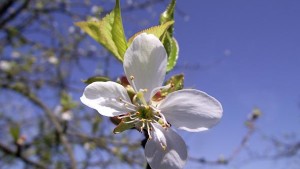
Do you know what happens after the bees fly away? Here’s an in-depth look at what happens in spring.
Total production is up nearly 50% over 2009, and is expected to increase 33% in the next three years.
Apple production is reaching heights that would have been unthinkable two or three decades ago. That’s great news for growers — if we can sell them all profitably,
Industry leaders share their feelings on the recently approved genetically modified apples.
Young decision-makers see trip as an opportunity make sure the voice of the apple industry is heard by representatives.
The Pennsylvania Cider Guild is designed to help promote and educate members and consumers.
Apples were believed to be tampered with; initial surveillance footage was inconclusive.
With larger-than-ever crops, more new varieties and uncertain markets, we explore the current state of apple production and what it means for the future of the industry.
The agency says the evaluated varieties are as safe and nutritious as conventional counterparts.
Promotion plan includes focus on increasing shipments of Red Delicious in growing export market.
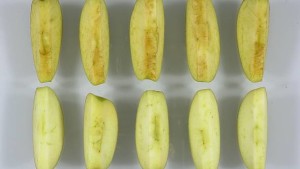
Okanagan Specialty Fruits, the company behind the world’s first non-browning apples, fetches $41 million.
Ten more states grant registrations for Fine Americas’ new Kudos PGR.
Carlson lecture highlights where IFTA has been and looks to the next generation to continue the legacy.
Creating fruiting walls with mechanical hedgers can help increase light interception in the canopy, say researchers and growers.
With all these new varieties being planted, John Rice of Rice Fruit Company, says you should focus as much if not more on marketing these new varieties as in understanding how to grow them.

No one can predict the future of this relatively recent invader, which is now found in 41 states, but all signs point to continued expansion.