Grapes
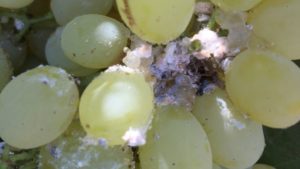
VitisGen2 project seeks to breed varieties with powdery mildew resistance that also meet marks for fruit and wine quality.
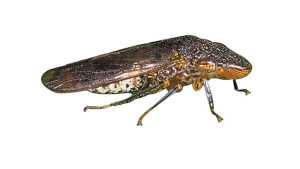
After wreaking havoc on grapevines for 125 years, causing severe wine industry losses, Pierce’s Disease may have finally met its match.
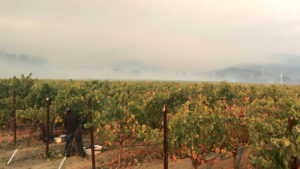
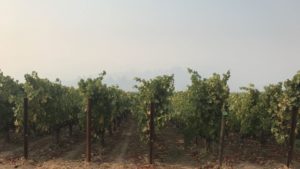
While it is expected to have little impact on this year’s vintage, researchers are studying smoke taint to understand more of the indicators.
Wine Institute: Strong quality across the state as ample rain ended drought.
Marrone Bio Innovations says new product has proven highly effective for controlling downy mildews and white molds.
Up-to-date information on what products can be used to solve a problem is available right there in the vineyard.
University Extension experts give an update of the destruction, potential for smoke taint in wine.
Gallo will contribute $1 million to fire recovery effort and will match employee donations two-for-one.
California Gov. Jerry Brown declares state of emergency for northern counties impacted by flames.
Scouting, trapping, and mating disruption can help prevent populations of this pest increasing in your vineyard.
University of New Hampshire project looks at growing systems, varieties to determine what type of production would be suited for cooler climates.
Ask any winegrape grower to describe the grape harvest in Sonoma County and you typically hear “harvest time […]
Thanks to mild winter, numbers for the pest are growing, especially in southeast Pennsylvania.
Washington State University’s James Harbertson to lead American Society for Enology and Viticulture (ASEV) as the 2017-2018 president.
I work with many grape growers in Virginia. Some of them work full time at a single vineyard […]
American Society for Enology and Viticulture bestows awards at its 68th national conference.
Governor approves Pierce’s Disease Control Program money for the first time since 2011.
While warming trend has been a part of past few seasons, the vineyard is incorporating new technologies to grape growing versus altering production techniques.
The warming temperatures in the Pacific Northwest are well-suited for red winegrape production, but other changes in viticulture practices must be made.